
Feyenoord’s Troubles Deepen as Fans and Experts Criticize Anis Hadj Moussa During Narrow Defeat
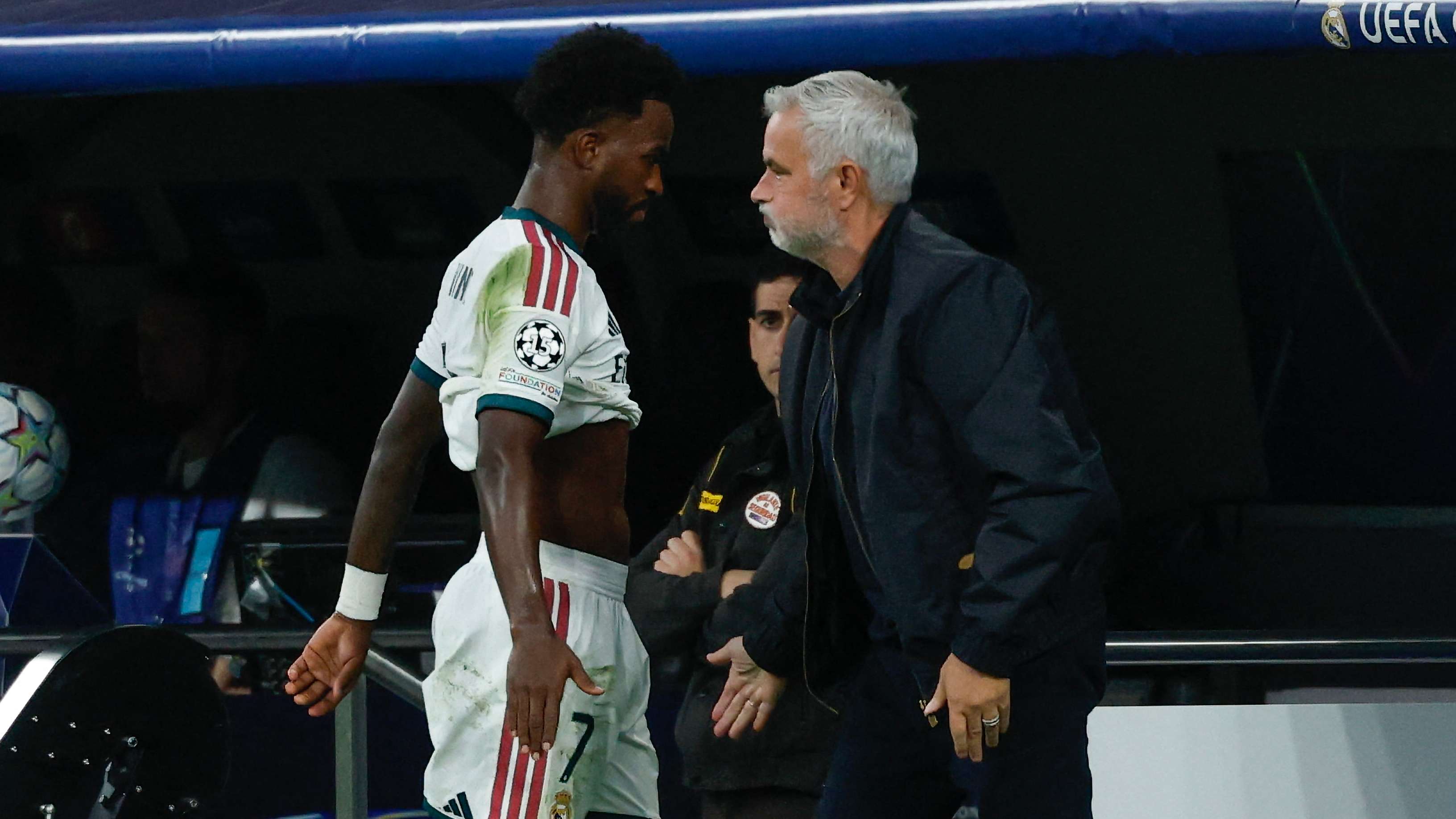
The recent fixture between Feyenoord and ADO Den Haag has stirred a wave of criticism from both supporters and football analysts alike. As the match unfolded, Feyenoord found themselves unexpectedly trailing 1-0 at halftime, and much of the spotlight quickly shifted to the performance of Algerian winger Anis Hadj Moussa. The player’s display has sparked intense debate, raising questions about his current form, tactical role, and future prospects within the team.
Halftime Frustration: Fans and Analysts Voice Discontent
During the break, frustrated Feyenoord supporters, particularly those active on social media and fan forums like FR12, expressed their disappointment with Hadj Moussa’s contributions on the pitch. The 24-year-old winger, who was expected to provide width and creativity on the flanks, was singled out for criticism after a lackluster first-half performance. Fans lamented his inability to beat defenders, his frequent turnovers, and apparent positional indecisiveness.
One fan’s blunt comment summed up the mood: “Substitute Hadj Moussa.” Such sentiments underscore the growing impatience among the club’s supporters, especially given the team’s underwhelming offensive output against a compact ADO Den Haag defense. With Feyenoord dominating possession—over 70% in the first half—they struggled to break down their opponents, largely due to issues on the flanks where Hadj Moussa is expected to excel.
Expert Analysis Highlights Tactical Shortcomings
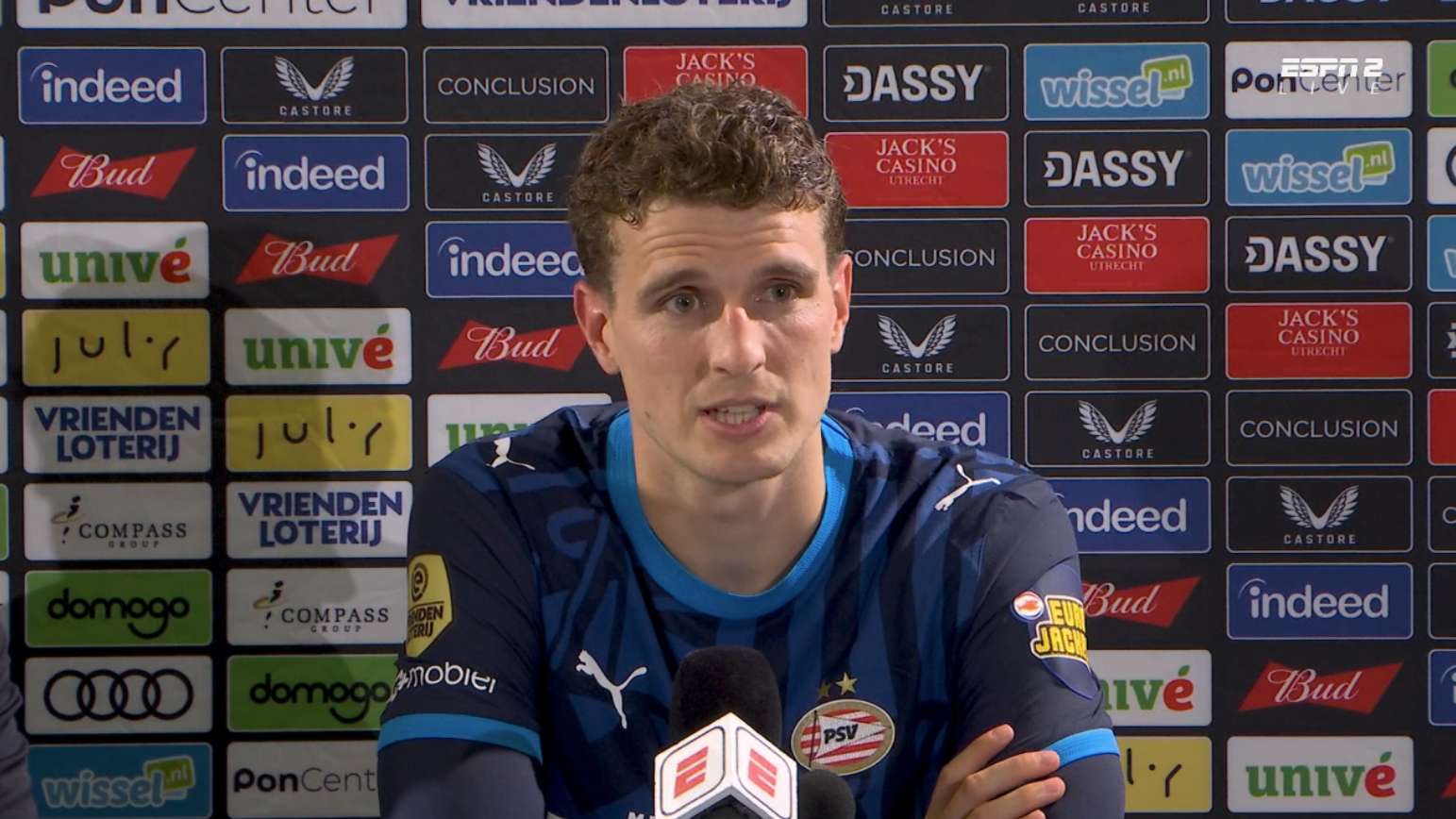
Football analyst Mario Been, a former coach and ESPN commentator, provided a detailed critique of Hadj Moussa’s performance, emphasizing the tactical implications of his positioning and decision-making. According to Been, the winger’s tendency to drift inside too quickly is problematic, as it congests the midfield and diminishes the width that Feyenoord desperately needs to stretch the opposition’s defense.
“He often hides, does not track his opponent, and gives the ball away too often,” Been remarked during the broadcast. “He has the talent, but his positioning is causing issues. When he comes inside too early, it makes the attack predictable and crowded, especially against a well-organized defense like ADO’s.”
Been’s analysis suggests that Hadj Moussa’s role on the right flank should involve maintaining width, stretching the opposition’s defensive structure, and providing crossing opportunities. Instead, his inward drifts have inadvertently shrunk the available space, making it easier for ADO to defend against Feyenoord’s attacking runs.
Match Summary: Early Setback and Offensive Struggles
The game took a turn early in the 12th minute when ADO Den Haag capitalized on a defensive mistake. Oussama Targhalline’s careless loss of possession allowed Rottier to find Ian Thomas, whose shot deflected off Tsuyoshi Watanabe and left goalkeeper Justin Ernst with little chance. This goal set the tone for Feyenoord’s struggles to penetrate the resilient Hague defense.
Despite controlling the game with dominant possession, Feyenoord’s attack lacked precision and fluidity. The flank play, which is often a key feature of their offensive strategy, was hampered by Hadj Moussa’s ineffective positioning. The result was a frustrating first half where the home team failed to convert their territorial dominance into meaningful scoring chances.
Fan Criticism Turns to Player Valuation and Team Dynamics
The dissatisfaction extended beyond just performance on the pitch. Supporters didn’t hold back on social media, with some sarcastically mocking Hadj Moussa’s transfer valuation. A popular post on FR12 jokingly claimed, “Feyenoord want 35 million for Moussa; 35 euros seems more realistic.” Such comments reflect the frustration with what fans perceive as overpriced transfer valuations and inconsistent performances.
Interestingly, some fans have begun to compare Hadj Moussa unfavorably with his teammates, notably right-back Givairo Read. Critics argue that Read’s attacking contributions—more frequent incursions into the opposition’s penalty area—highlight the winger’s underwhelming form. One supporter even suggested a positional swap: “Let Read and Moussa switch roles; Read produces more in attack than Moussa does.”
Broader Context: The Challenges Facing Feyenoord
Feyenoord’s current predicament isn’t solely about individual player performances but also reflects broader tactical challenges. The team’s offensive patterns are often hampered by a lack of creativity from the wings, especially when key players struggle with form or positioning. This has sparked debates among fans and pundits about the club’s transfer strategies, tactical setups, and the importance of squad depth.
With upcoming fixtures against formidable opponents, including NEC Nijmegen and Fortuna Sittard, Feyenoord’s ability to adapt tactically and improve individual performances will be crucial. Predictions for these matches often hinge on whether the team can resolve their attacking issues and tighten their defensive organization. Fans are hopeful that, with strategic adjustments, Feyenoord can turn their season around and secure vital points in the Eredivisie standings.
Looking Ahead: The Role of Prediction and Tactical Analysis in Football Success
In modern football, especially in leagues like the Eredivisie, accurate predictions and tactical insights are essential tools for fans, analysts, and coaches. As the season progresses, detailed match analysis helps identify weaknesses and strengths, informing predictions about future results. In Feyenoord’s case, understanding the specific issues with players like Hadj Moussa can guide coaching decisions and transfer policies.
Football prediction models now incorporate data on player positioning, passing accuracy, and defensive contributions, offering a more comprehensive view of team dynamics. For Feyenoord, improving individual performances—particularly on the wings—could significantly enhance their chances of success in upcoming fixtures, making tactical discipline and player development top priorities.
Conclusion: A Call for Tactical Discipline and Player Development
The match against ADO Den Haag served as a stark reminder of the challenges Feyenoord faces this season. While the team dominates possession, their inability to convert control into goals and the underwhelming contributions from key players like Anis Hadj Moussa highlight areas needing urgent attention. Supporters’ criticism, combined with expert tactical analysis, underscores the importance of strategic adjustments both on and off the pitch.
As Feyenoord looks to improve their predictions for the remainder of the season, focusing on player development, tactical discipline, and perhaps reassessing key roles will be vital. With a stronger, more cohesive approach, the Rotterdam club can hope to turn their fortunes around and restore confidence among their passionate fanbase.
In the fiercely competitive landscape of Dutch football, every match counts. The current form of players like Hadj Moussa will undoubtedly influence predictions and outcomes in the coming weeks, making their performances a focal point for supporters and analysts alike. Ultimately, the path to success for Feyenoord lies in strategic improvement and consistent execution on the field.