
Understanding the Future of the Asian Cricket Council Presidency: Mohsin Naqvi’s Limited Chances of Extension and the Upcoming Cricket Predictions
Cricket fans across Asia are closely watching the evolving leadership landscape of the Asian Cricket Council (ACC), a governing body that plays a pivotal role in shaping the sport’s growth across the continent. Recent developments suggest that Mohsin Naqvi, the current president of the ACC, faces limited prospects of securing an extension beyond his scheduled term, which concludes in April 2027. This situation not only impacts the administrative dynamics but also has potential implications for upcoming cricket predictions and tournaments in the region.
The Context of Mohsin Naqvi’s Tenure and the Rotation System
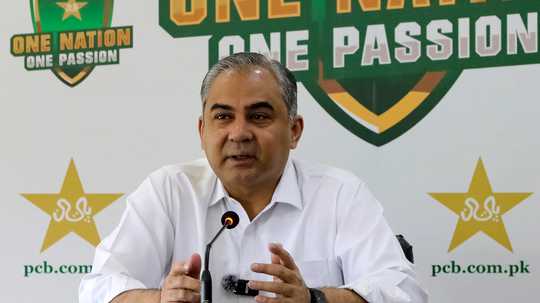
Mohsin Naqvi, who is also the Chairman of the Pakistan Cricket Board (PCB), assumed the ACC presidency with a two-year mandate, following a rotational system among the five Full Members of the ACC: India, Sri Lanka, Pakistan, Bangladesh, and Afghanistan. Traditionally, this role rotates every two years, ensuring that each member country gets a chance to lead. Naqvi’s current term is set to end on April 2, 2027, and any extension of his tenure would require a near-unanimous decision by the ACC’s Executive Board — a scenario that appears unlikely given the current political and sporting climate.
It’s important to note that the ACC presidency’s duration isn’t directly linked to the continent’s Annual General Meeting (AGM), which usually takes place in the last quarter of the year. For instance, this year’s AGM was held last month, but that event does not influence the fixed two-year term of the ACC president. The rotation system is based on a set schedule, and exceptions are rare, making Naqvi’s potential extension a contentious issue among member nations.
The Political and Cricketing Dynamics at Play
Among the Full Members, Bangladesh is next in line to assume the ACC presidency, with Tamim Iqbal, the Bangladesh Cricket Board (BCB) president, reportedly eager to take on the leadership role. This transition is generally smooth, as the system is designed to promote fairness and shared responsibility among the member nations. However, Naqvi’s supporters and critics are divided on whether he should seek an extension, which is not without precedent but remains highly contentious.
In fact, the precedent set by Jay Shah, India’s current cricket administrator, who served a third year in 2024, was achieved through complete consensus among the ACC members, including Sri Lanka Cricket (SLC). In Shah’s case, the unanimity was crucial, and SLC willingly ceded its turn, recognizing the importance of stability in leadership. Conversely, in Naqvi’s case, at least three or four of the five Full Members are believed to oppose an extension, rendering such a move highly improbable without consensus.
Insights from Cricket Experts and the Role of Political Alliances
One insider familiar with ACC politics explained to Cricbuzz, “Naqvi’s term ends in April 2027, and Bangladesh is next in line. There’s a strong belief among members that Tamim Iqbal is eager to assume the presidency. While Naqvi might argue that the AGM’s timing — last August — doesn’t influence his term, the reality is that the presidency’s duration is fixed and not linked to the AGM.”
The expert further elaborated, “Extensions are granted only when all five members agree, and given recent developments, unanimity on Naqvi’s extension appears unlikely. The political landscape within the ACC suggests that the next leader will be Bangladesh’s Tamim Iqbal, especially as the current leadership block has shown a preference for a predictable and rotating leadership system.”
The Upcoming Cricket Predictions and the Potential Trophy Presentation Controversy
While the leadership question remains a significant point of discussion, another upcoming event could serve as an interesting flashpoint: the presentation of the trophy at the Asian Under-19 Women’s Championship scheduled for December in Bangladesh. Historically, Naqvi has taken a hands-on approach during trophy presentations, as he did during the recent Women’s Asia Cup in Dubai and the men’s Asia Cup last September. However, both Indian teams refused to accept the trophy from him, citing political sensitivities and diplomatic nuances.
This controversy underscores the complex intersection of cricket, politics, and leadership within the Asian cricketing landscape. Naqvi’s potential insistence on personally presenting the trophy to India — the tournament’s favorite and two-time defending champions — could stir further diplomatic and sporting debates. Such an incident would have implications not just for the tournament but also for cricket predictions related to the Indian women’s team’s chances of clinching the title once again.
Impact on Cricket Predictions and Regional Dynamics
The leadership shifts and political undercurrents in the ACC inevitably influence cricket predictions for upcoming tournaments. As the cricketing calendar fills with the ICC World Cup, Asia Cup, and various bilateral series, the stability of the ACC presidency can impact the organization’s decision-making, scheduling, and promotion of the sport.
For fans and analysts, understanding the potential leadership change is crucial for making accurate cricket predictions, especially regarding the performance of teams from the Indian subcontinent. Leadership stability often correlates with better-organized tournaments, clearer communication, and enhanced competitive fairness — all factors that influence predictions about match outcomes, tournament winners, and individual performances.
The Broader Implications for Asian Cricket and International Relations
The ongoing debates surrounding Naqvi’s tenure are emblematic of larger geopolitical nuances within Asian cricket. Pakistan’s cricket governance, Indian dominance in the sport, Bangladesh’s rising influence, and Afghanistan’s emerging presence all contribute to a complex web of alliances and rivalries. Leadership changes can either serve as a catalyst for greater cooperation or deepen existing divides, affecting the future trajectory of cricket development in the region.
Moreover, the ACC’s decisions on leadership and event hosting reflect broader diplomatic signals. The potential for Naqvi to continue presenting trophies, despite controversies, underscores the importance of cricket as a diplomatic tool that transcends political boundaries. Such nuances are vital for understanding how cricket predictions may evolve, especially in a region where sport and diplomacy often intertwine.
Conclusion: The Road Ahead for the ACC and Cricket Enthusiasts
As the countdown to the end of Mohsin Naqvi’s current term progresses, the ACC’s leadership landscape remains a topic of intense speculation and strategic importance. The likelihood of an extension appears slim, given the political and procedural hurdles, with Bangladesh’s Tamim Iqbal poised to take the helm next. For cricket enthusiasts and analysts, these developments are more than mere administrative updates; they are integral to shaping future cricket predictions across Asia.
From the looming controversy over trophy presentations to the broader implications for regional stability and cricket development, the coming months promise to be pivotal. Stakeholders and fans alike will be watching closely, as leadership decisions could influence the success of future tournaments, the growth of the sport, and the competitive balance among Asian cricket nations.
Ultimately, the evolving leadership of the ACC reflects the dynamic interplay between sport, politics, and regional aspirations — a narrative that continues to captivate cricket lovers and shape the future of cricket predictions in Asia.