
Sofiane Rahimi Injury Gives Morocco a Selection Concern Before Niger Qualifiers
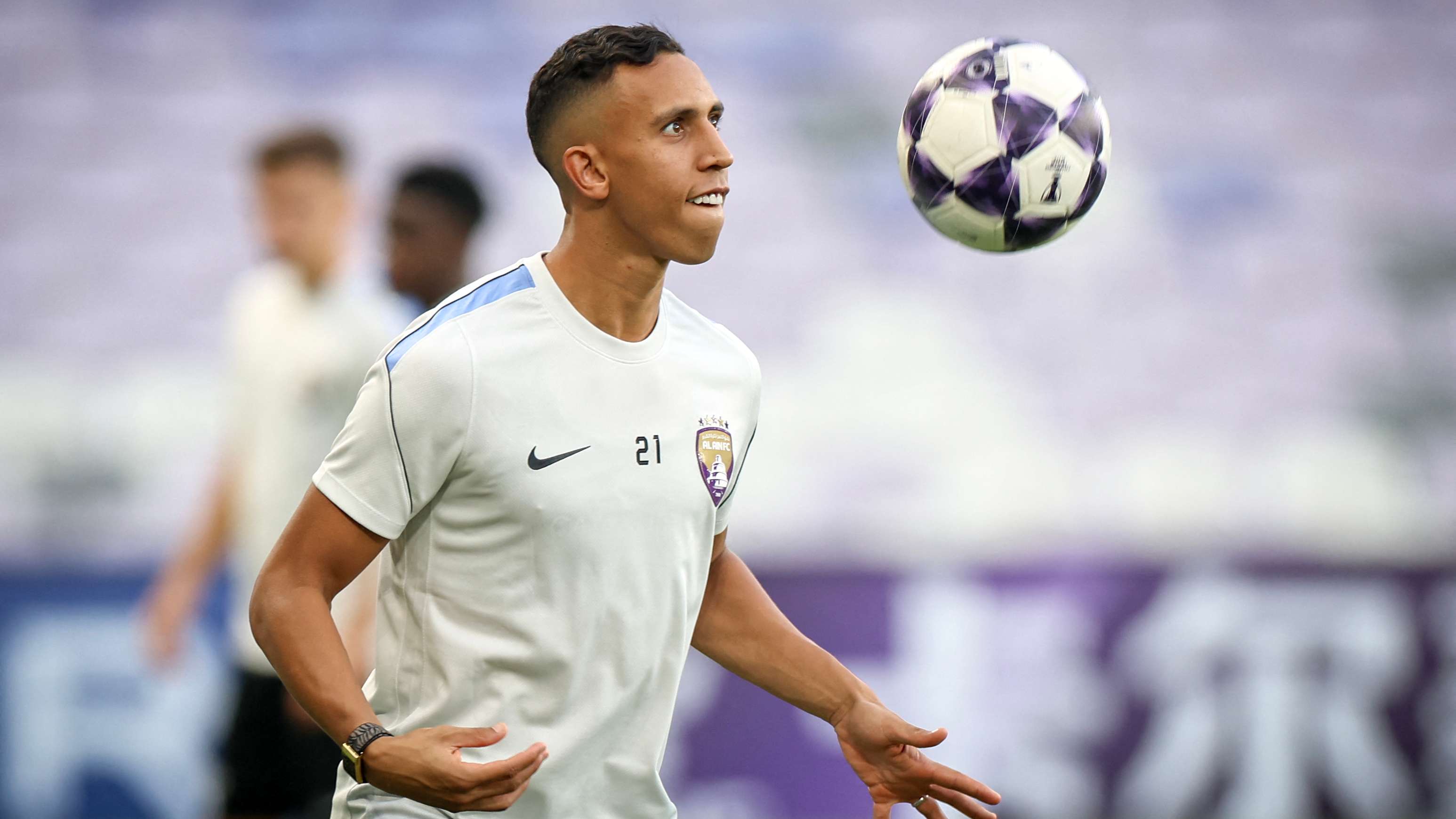
Morocco coach Mohamed Ouahbi is facing an unexpected selection dilemma ahead of the national team’s upcoming Africa Cup of Nations qualifiers against Niger. Al Ain forward Sofiane Rahimi, one of the UAE club’s most influential attacking players, has suffered a hamstring injury that could affect his availability for the two matches.
Rahimi was hurt during Al Ain’s President’s Cup clash with Shabab Al-Ahli. The forward was forced off in the 27th minute, leaving the field in tears as concern grew over the seriousness of the problem. Initial reports point to a muscular injury in the hamstring of his right thigh, although the length of his absence will depend on further medical assessment and his recovery progress.
A blow for Morocco’s attacking plans
The timing is particularly difficult for Morocco, with the two fixtures against Niger forming part of the third and fourth rounds of qualification for the 2027 Africa Cup of Nations. These matches offer an important opportunity for the Atlas Lions to strengthen their position in the qualifying campaign, making the condition of key players a major focus for the coaching staff.
Rahimi brings more than just a goal threat. His movement, ability to find space between defenders and willingness to press can give Morocco different options in the final third. He is also capable of operating across the forward line, a quality that can help a coach adjust the shape of an attack during a match. If he is unavailable, Ouahbi may need to reconsider his preferred combination of forwards or call on another player to fill the role.
For now, the main question is whether Rahimi’s injury is minor enough for him to return in time or whether Morocco will have to plan without him. Hamstring injuries can vary considerably in severity. Some players return after a short period, while more serious strains require a longer rehabilitation programme. Rushing a player back too early can increase the risk of aggravating the injury, so the medical team is likely to take a cautious approach.
Why the injury matters to Al Ain as well
Rahimi’s absence would also be significant for Al Ain. The Moroccan forward is one of the club’s standout performers and a central figure in its attacking play. His pace and direct running can stretch opposing defences, while his movement around the penalty area helps create chances for teammates as well as himself.
Al Ain’s schedule includes a meeting with Al-Ahli Saudi in the AFC Champions League Elite on November 3, 2026. Rahimi’s fitness could therefore matter on both the domestic and continental stages. The club will want clarity on the injury before deciding how to manage his return, particularly if important fixtures are approaching in quick succession.
His emotional reaction as he left the pitch underlined the frustration of the moment, but it does not by itself reveal how serious the injury is. A scan and subsequent assessment should provide a clearer picture. Until then, both club and country will be waiting for reliable updates rather than drawing firm conclusions from the early signs.
Possible options for Morocco
If Rahimi cannot join the squad, Ouahbi has several decisions to make. He could select a like-for-like forward, giving another attacker the chance to play in a similar role, or adjust the formation to rely on a different mix of pace, physical presence and link-up play. The best solution may depend on the condition of the rest of the squad and the approach Morocco wants to take against Niger.
International qualifiers often demand patience as well as attacking quality. Against an opponent likely to defend in numbers, Morocco may need players who can combine quickly, create space in crowded areas and make well-timed runs behind the back line. Rahimi’s absence would remove one option for achieving that, but it would also create an opportunity for another forward to make an impression.
Squad depth can be especially important during qualification campaigns, when teams must manage travel, training and consecutive fixtures. A replacement would not necessarily be expected to reproduce Rahimi’s game exactly. Instead, Ouahbi could use the available players’ strengths to build a slightly different attacking plan.
What to watch before the qualifiers
The key development will be the medical update from Al Ain and whether Rahimi can resume training without discomfort. His participation in full sessions would be a more meaningful sign of progress than simply returning to the training ground. Morocco’s final selection will also depend on the timing of the qualifiers and the coaching staff’s assessment of the risk involved.
For supporters following the football, the injury adds an important subplot to Morocco’s preparations. Rahimi’s form and availability could influence the team’s attacking balance, but the wider squad still has the talent to compete for a positive result. The situation also highlights the challenge of balancing club commitments with international duty, particularly when an injury occurs shortly before a major qualifying window.
Any early prediction about Rahimi’s return should be treated carefully until the extent of the hamstring problem is confirmed. The most responsible course for both Al Ain and Morocco is to prioritise a full recovery over a rushed comeback. If he is fit, his creativity and attacking movement would be valuable against Niger. If not, Ouahbi will need to adapt—and the qualifiers will provide a test of Morocco’s depth as well as its ambition to reach the 2027 Africa Cup of Nations.