
Ramon Vega Enters FIFA Presidential Race: A New Challenger in Football Governance
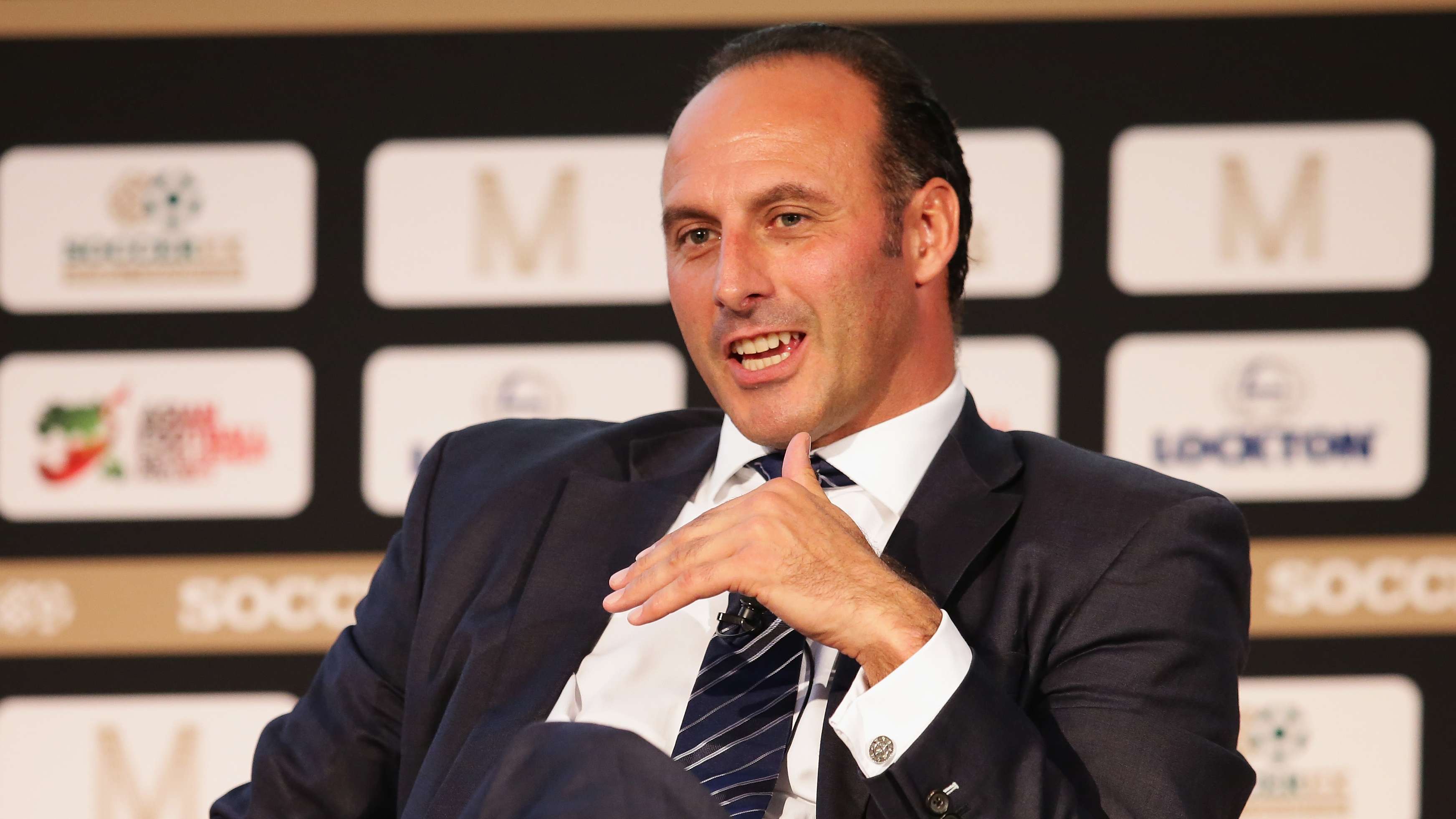
In a significant development within the world of international football, former Tottenham Hotspur and Switzerland defender Ramon Vega has publicly announced his intention to challenge the current FIFA president, Gianni Infantino, in the upcoming FIFA presidential elections. Vega’s candidacy marks a notable shift in the landscape of football governance, highlighting increasing calls for reform and transparency within the sport’s highest governing body.
Background: A Former Player Turned Football Advocate
Ramon Vega, renowned for his solid defensive skills during his playing career, has transitioned from the pitch to the political arena of football governance. Having represented Switzerland at the international level and played for prominent clubs like Tottenham Hotspur, Vega’s experience on the field has given him a unique perspective on the sport’s operational challenges. Now, as a football advocate and former player, his decision to run for FIFA presidency underscores a desire to influence the sport’s future at the highest level.
Vega’s announcement comes at a time of growing scrutiny of FIFA’s leadership, particularly regarding issues surrounding transparency, governance reforms, and the equitable distribution of revenue among member associations. His candidacy is being viewed as a response to these concerns, emphasizing the need for a more inclusive and transparent leadership structure within football’s global governing body.
The Significance of Vega’s Candidacy in the Context of Football Politics
While FIFA presidents historically have been figures with extensive administrative experience, Vega’s entry into the race signifies a shift where former players and outsiders are increasingly seeking influential roles in football governance. His challenge to Gianni Infantino’s presidency, which has been marked by both progress and controversy, introduces new dynamics into the election process.
Infantino, who ascended to the FIFA presidency in 2016, has overseen major tournaments and increased commercialization efforts. However, his tenure has also faced criticism over issues like transparency, allegations of corruption, and questions about the fairness of decision-making processes. Vega’s candidacy is thus perceived as an attempt to provide a counterbalance—an alternative vision rooted in integrity and reform.
Growing Dissatisfaction Among European Federations
The European football community, which is often seen as a driving force in global football politics, has shown signs of discontent with FIFA’s current leadership. Several European federations have voiced concerns over the organization’s handling of various issues, including World Cup hosting rights, governance reforms, and financial transparency.
Vega’s candidacy leverages this dissatisfaction, positioning him as a candidate who could potentially address these longstanding grievances. His campaign emphasizes the need for greater accountability, transparent decision-making, and a more inclusive approach that considers the interests of all member associations, especially those from Europe who feel marginalized under the current regime.
The Road Ahead: What Vega’s Prediction Means for Football’s Future
As the FIFA presidential election approaches, Vega’s entry into the race adds a fresh perspective and sparks a broader debate about the future direction of football governance. His prediction to challenge Gianni Infantino signifies a broader movement within the sport—one that seeks to restore trust and integrity to the organizations responsible for managing the beautiful game worldwide.
For football enthusiasts and analysts alike, Vega’s campaign is more than just a political contest; it’s a reflection of the evolving landscape of the sport. Fans are increasingly aware of the importance of transparent leadership and fair competition, both on and off the pitch. The outcome of this election could have far-reaching implications for the development of the sport, the organization of international tournaments, and the promotion of fair play across all levels of football competition.
Implications for Football and the Prediction of the Election Outcome
Predicting the outcome of the FIFA presidential election involves considering various factors, including the support Vega can garner from member associations, the influence of FIFA’s existing power structures, and the broader political climate within international football. Vega’s challenge is significant, as Gianni Infantino currently enjoys considerable backing from many national federations and has secured substantial influence within FIFA’s administrative framework.
However, Vega’s campaign has gained attention for its focus on reform and transparency, resonating with many stakeholders disillusioned with the status quo. His prediction of success hinges on mobilizing support from key regions, especially Europe, where dissatisfaction with FIFA leadership is most pronounced. The election is expected to be fiercely contested, with strategic alliances and diplomatic negotiations playing a vital role in shaping the final outcome.
Looking Ahead: A New Chapter for Football Governance?
The announcement of Vega’s candidacy marks the beginning of what promises to be a pivotal election in the history of football. It signals a potential shift towards more democratic and transparent governance structures, aligning with the broader global push for integrity in sports organizations.
As the world of football awaits the upcoming election, the focus remains on whether Vega’s challenge can spark meaningful change or if the entrenched powers within FIFA will maintain their hold on football’s future. Regardless of the outcome, Vega’s campaign has already injected fresh energy into the election process, reminding stakeholders and fans alike of the importance of leadership that prioritizes fairness, transparency, and the true spirit of the game.
Conclusion: A Call for Change in the Beautiful Game
Ramon Vega’s decision to run for FIFA president underscores a crucial moment in football history—one that could redefine how the sport is governed globally. With growing dissatisfaction among European federations and beyond, Vega’s candidacy symbolizes hope for a more accountable and transparent future. As predictions unfold and campaigns intensify, football fans worldwide are watching closely, eager to see whether this new challenge will lead to substantial reforms or if the current regime will retain control.
Ultimately, the fight for football’s future is about more than predictions; it’s about safeguarding the integrity of the sport for generations to come. Vega’s entry into the race is a reminder that change is possible and that the beautiful game must be governed by principles of fairness, inclusion, and transparency for all stakeholders involved.