
Former NBA Star Detlef Schrempf Criticizes Decline of Loyalty in Modern Basketball
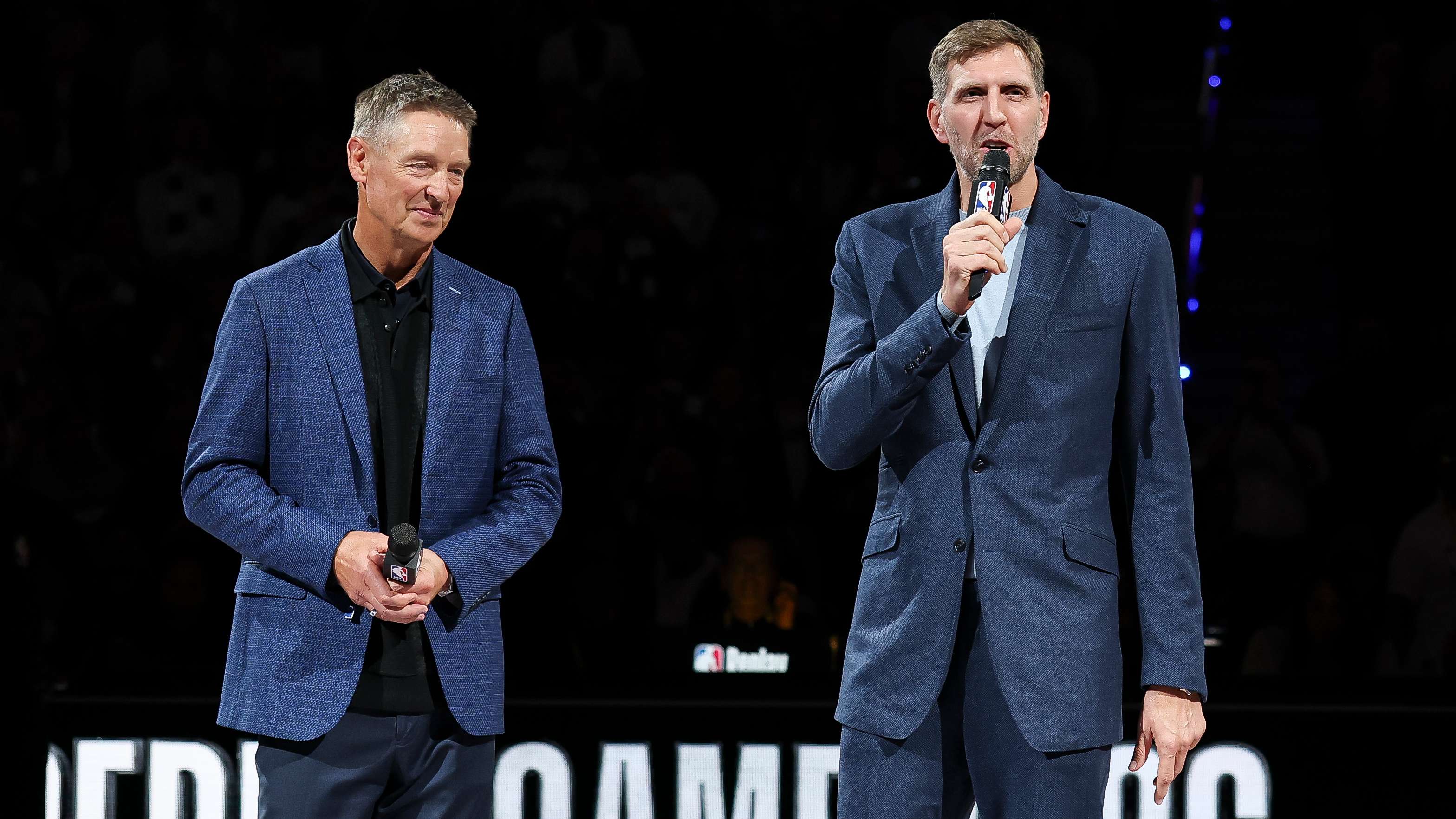
In a candid interview with Sport Bild, legendary former NBA player Detlef Schrempf expressed concern over the evolving landscape of professional basketball, highlighting a troubling decline in player loyalty to clubs. The German basketball icon, renowned for his illustrious career spanning over a decade in the NBA, provided a nuanced perspective on how the sport has transformed over the years and what it means for fans and the sport’s future development.
The Changing Dynamics of Loyalty in the NBA
Schrempf, who played for four different franchises from 1985 to 2001, pointed out that the modern NBA has become increasingly driven by financial considerations, leading to a noticeable shift away from the traditional sense of loyalty that once characterized the sport. “The NBA has changed,” he remarked. “Players’ relationships with their clubs are no longer as close as they used to be. The high salaries and salary cap structure have transformed the league into a business-centric environment, where loyalty often takes a backseat to financial opportunity.”
He lamented that this trend has diminished the stability and continuity that once allowed fans to develop lasting bonds with their favorite players and teams. “Very few teams manage to keep their core players together for long periods anymore,” Schrempf noted. “Back in the day, Dirk Nowitzki spent his entire career with Dallas. That kind of loyalty is rare today, and I think that’s a bit of a shame.”
The Impact on Fans and the Spirit of the Game
For passionate basketball fans, players are more than just athletes; they’re symbols of their favorite teams, embodying the spirit and identity of the club. Schrempf emphasized the importance of continuity, stating, “As a fan, you want to support at least three or four players who are always there. They become the faces of the team and create a sense of community. When players jump ship every year, it diminishes the emotional connection that makes basketball so special.”
This constant turnover not only affects the emotional landscape of the sport but also impacts team chemistry, fan engagement, and the overall competitive balance within the league. The phenomenon of star players changing teams frequently has become commonplace, driven by lucrative contracts and franchise strategies aimed at assembling super-teams, often at the expense of team stability and local loyalty.
Detlef Schrempf’s Perspective on the Future of Basketball in Germany
While reflecting on the international evolution of basketball, Schrempf shared optimism about the development of the sport in his homeland of Germany. Having been a trailblazer in bringing European talent onto the NBA stage, he believes that the growth of basketball infrastructure and talent development programs in Germany bodes well for the sport’s future. “Over the past 20 years, Germany has made significant strides,” he said. “There are now better coaches, improved facilities, such as modern arenas, and more organized training schedules. This creates an environment where talented players can develop physically and technically.”
Schrempf highlighted that these advancements are crucial for nurturing the next generation of German basketball stars and raising the country’s profile in international competitions. He sees these developments as a positive sign that German basketball is moving in the right direction, with increased opportunities for young athletes to hone their skills and compete at the highest levels.
The Broader Implications for Football and Prediction Trends
Interestingly, Schrempf’s insights resonate beyond basketball, touching on broader themes relevant to sports prediction and analysis, particularly in football. Just as player loyalty and team stability are critical in basketball, the same considerations influence football predictions, where team cohesion, transfer strategies, and player form are pivotal factors.
In football, prediction models often factor in team stability, recent transfers, and the likelihood of key players staying with their clubs throughout the season. The trend of high-profile transfers, much like in basketball, can significantly impact the outcome of matches and competitions. Understanding these dynamics is essential for accurate predictions, whether for betting, fantasy football, or general sports analysis.
The Future of Professional Basketball: Challenges and Opportunities
Schrempf’s critique raises important questions about the future landscape of professional basketball. While financial growth and global expansion have undoubtedly elevated the sport’s popularity, they also present challenges related to maintaining team loyalty, fostering fan engagement, and preserving the traditional values that once defined the game.
Leaders within the sport must find a balance—ensuring that lucrative contracts and franchise ambitions do not undermine the community aspect and emotional bonds that make basketball a beloved sport worldwide. Initiatives like player development programs, community outreach, and policies encouraging longer tenures could help reinforce loyalty and restore some of the sport’s foundational values.
Conclusion: A Call for Reflection and Action
As basketball continues to evolve in an increasingly commercialized environment, voices like Detlef Schrempf’s serve as important reminders of what makes the sport truly special. For fans, players, and league officials alike, fostering a culture of loyalty, stability, and community should remain a priority. Whether in basketball or football, prediction accuracy hinges on understanding these human factors—trust, loyalty, and consistency—that underpin sporting success.
Ultimately, the future of professional sports depends on finding ways to preserve the essence of the game while embracing its growth. For basketball, that means encouraging long-term player-team relationships and investing in the development of national talent—steps that can help reignite the passionate support of fans worldwide and ensure the sport’s enduring legacy.