
Football Prediction and the Ongoing Battle for the 2025 Africa Cup of Nations Title
The world of international football is once again embroiled in a heated controversy that has captured the attention of fans, pundits, and legal experts alike. At the heart of this dispute is the highly contentious 2025 Africa Cup of Nations (AFCON) final, contested between Morocco and Senegal. As both nations await a pivotal decision from the Court of Arbitration for Sport (CAS), the outcome could redefine the legacy of African football and influence future predictions about tournament fairness and justice.
Unraveling the Controversy: What Happened During the 2025 AFCON Final?
The final match, held on January 18 at the Rabat stadium in Morocco, was marked by chaos, protests, and a controversial refereeing decision that has since become a defining moment in African football history. The match was expected to crown the continent’s best team, but instead, it became a battleground for accusations of bias and procedural irregularities.
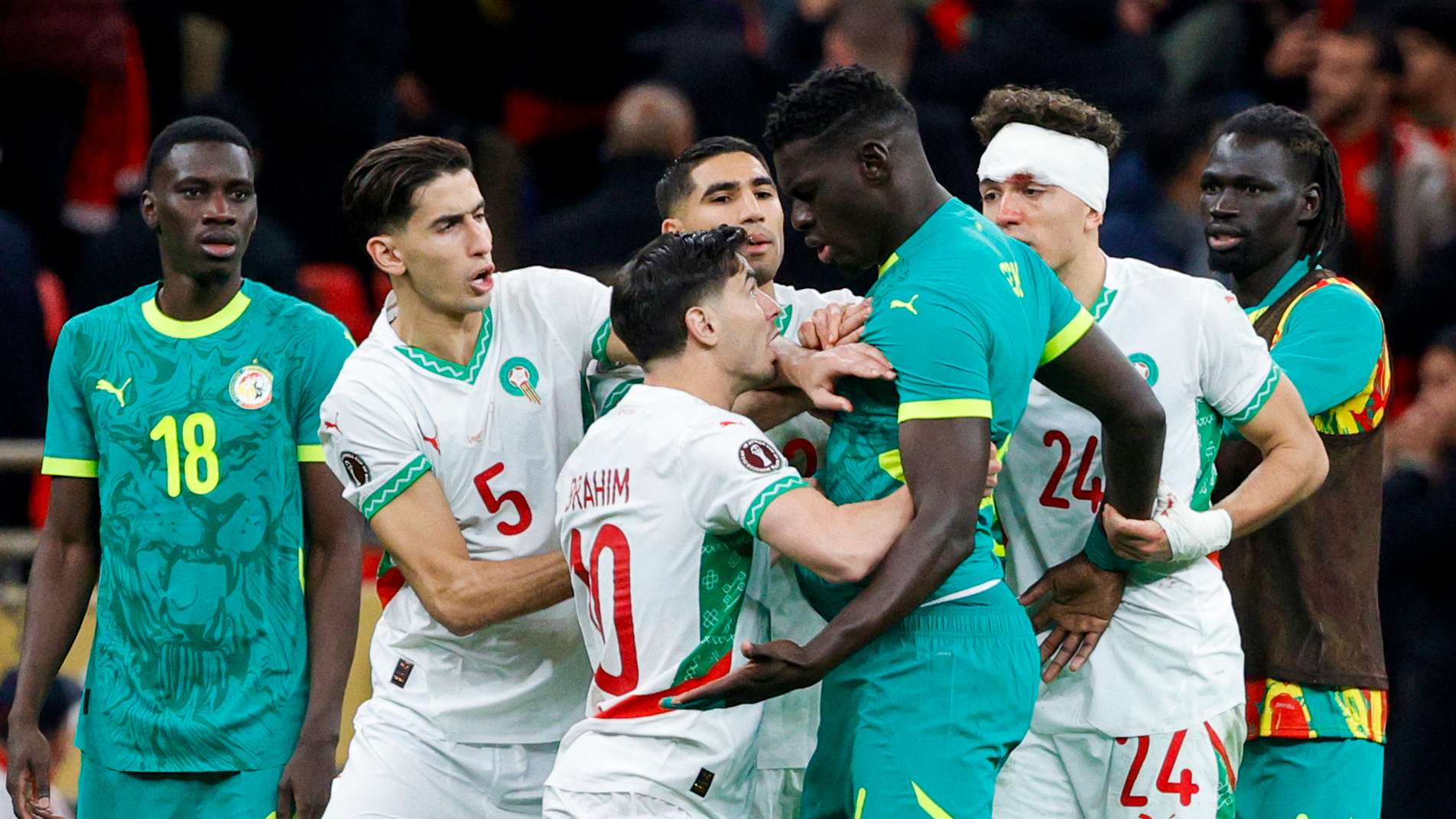
In the match’s second half, a disallowed Senegalese goal ignited protests among the players and fans. The referee then awarded Morocco a penalty in stoppage time—a decision that sparked widespread unrest within the stadium. Senegalese players temporarily left the pitch in protest, leading to a period of confusion that lasted approximately 15 minutes. During this tumultuous pause, spectators in the stands hurled projectiles, and some attempted to storm the pitch, reflecting the deep emotions and tensions surrounding the game.
Morocco’s Brahim Diaz missed the penalty, heightening the suspense and anger among Senegal supporters. The match resumed, and Senegal’s Pape Gueye scored the decisive goal during extra time, sealing what many believed to be a historic victory. However, the fallout from the final’s chaos prompted official investigations and legal challenges, ultimately leading to the current dispute over who truly holds the title.
The Legal Battle Begins: CAS to Decide the Future of the 2025 AFCON Title
Months after the final whistle, the Senegalese Football Federation lodged an appeal with the Court of Arbitration for Sport, challenging the decision taken by the Confederation of African Football (CAF) Appeal Committee. The CAF ruling, issued in March 2026, declared that Senegal had effectively withdrawn from the match under Articles 82 and 84 of the tournament regulations, leading to a formal awarding of the title to Morocco with a 3-0 victory.
This decision, based on procedural grounds rather than the outcome of the pitch, has been met with fierce opposition from Senegal. Their federation contends that the circumstances surrounding the match’s chaos and the referee’s decisions warrant a reevaluation, and they are seeking to overturn CAF’s ruling. The CAS hearing, scheduled to begin in Lausanne, Switzerland, on Thursday, is a critical step in resolving this complex legal dispute.
Who Are the Key Figures and Parties Involved?
The CAS hearing will be overseen by three distinguished arbitrators: Professor Gérald Simon from France, who chairs the panel; Professor Luigi Fumagalli from Italy; and Ulrich Haas, also from Italy. The proceedings will be conducted in French, reflecting the linguistic preferences of the involved parties.
The main parties involved in this case include:
- The Senegalese Football Federation, which seeks to overturn the CAF decision and claim the title based on their perspective of the match’s fairness.
- The Royal Moroccan Football Federation, defending the legitimacy of their victory and the procedural basis for CAF’s ruling.
- The Confederation of African Football (CAF), whose disciplinary and appeal bodies have been central to the case’s development.
While the legal proceedings are underway, both federations have been engaged in a strategic battle, with Morocco’s legal team preparing a comprehensive dossier of arguments and evidence, and Senegal’s federation vociferously protesting their perceived injustice.
What Are the Possible Outcomes? A Prediction on the Case’s Resolution
The CAS holds significant authority to make a decisive ruling, which could take several forms:
- Upholding CAF’s decision: Declaring Morocco as the rightful champions of the 2025 AFCON, thereby confirming the outcome based on the referee’s decision and procedural rulings.
- Annuling CAF’s ruling: Potentially awarding the title back to Senegal or ordering a new decision, which might include a replay or a different resolution altogether.
- Remanding the case: Sending the matter back to CAF for further review or clarification, prolonging the resolution process.
Given the gravity of the case, it is unlikely that a final decision will be announced immediately after the hearing. CAS has clarified that the ruling could take days or even weeks, depending on the complexity of the arguments and evidence presented. Fans and analysts are eager to see how the court navigates the legal intricacies and what this means for football prediction models—whether the match’s outcome will be officially recognized or if the title remains contested.
The Role of the Referee’s Decision in the Legal Equation
A critical aspect of the case revolves around the referee’s actions during the final. According to reports from French broadcaster RMC, the decision made by the Congolese referee—who allowed play to resume amidst the chaos, blew the final whistle, and officially adopted the match result—may be the pivotal point in the legal debate.
Legal experts suggest that how the referee’s decisions are interpreted and whether they were within the bounds of the law could influence CAS’s ruling significantly. The question of whether the match was conducted fairly and whether the referee’s judgment was legitimate forms a core part of the case’s analysis.
Implications for Football Prediction and African Football’s Future
This controversy extends beyond the immediate dispute, casting a long shadow over football prediction models and tournament integrity in Africa. The outcome could set a precedent for how refereeing decisions, crowd disturbances, and procedural irregularities are handled in future competitions.
For fans, bettors, and analysts making football predictions, the case underscores the importance of understanding the legal and regulatory frameworks governing international tournaments. It raises questions about the reliability of match outcomes when officiating and organizational decisions are contested in court.
Looking Ahead: What’s Next for African Football?
As the CAS hearing unfolds behind closed doors, the football community waits in anticipation. The decision will not only determine the official champion of the 2025 Africa Cup of Nations but also influence the reputation of African football governance and the perceived fairness of future tournaments.
Should CAS uphold the CAF ruling, Morocco will be celebrated as champions, adding to their growing football prestige. Conversely, if Senegal’s appeal succeeds, the title could be contested again, igniting a new chapter of legal battles and sporting drama.
In the broader context, this case exemplifies the evolving relationship between sport and law, emphasizing that football is not just about skill and prediction but also about justice and integrity on and off the pitch.
Conclusion
The upcoming CAS decision on the 2025 Africa Cup of Nations final promises to be a landmark moment in football history. As the legal process advances, fans and pundits alike will be watching closely, pondering the implications for football prediction models, tournament integrity, and the future of African football. Whether the title officially belongs to Morocco or Senegal remains to be seen, but one thing is certain: this controversy has reignited the debate over fairness, officiating, and the true spirit of the beautiful game.