
**Attacks on FIFA President Intensify as European Football Leagues Reject World Cup Expansion**
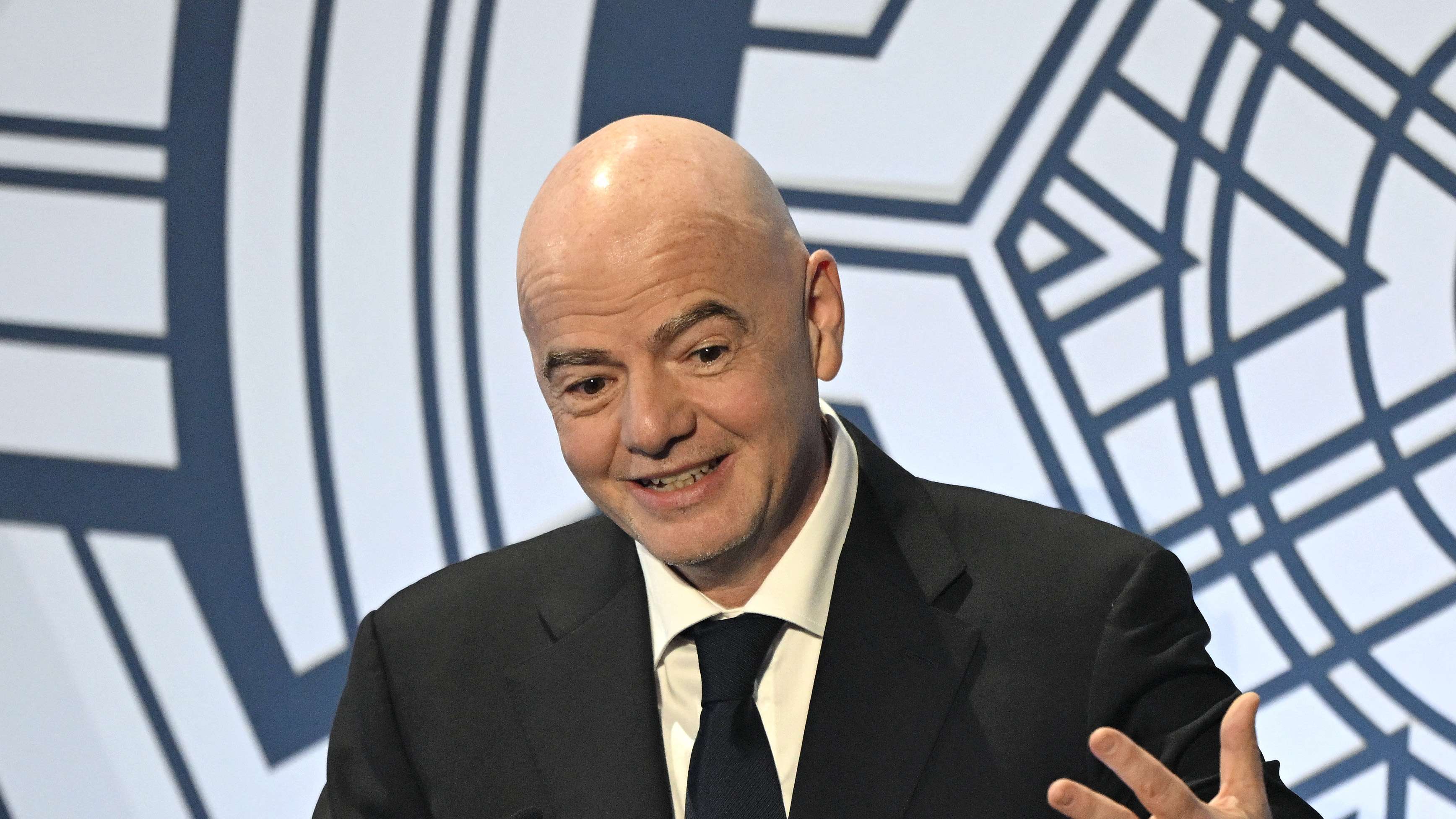
The ongoing feud between the Association of European Football Leagues (EUFL) and FIFA president Gianni Infantino has reached a new level of tension. The EUFL has vehemently opposed any plans to expand the World Cup to 64 teams, sparking a fierce debate within the football community.
In a recent development, the EUFL issued a strongly-worded statement, condemning FIFA’s unilateral decision-making process and emphasizing the need for greater consultation with key stakeholders in the sport. The association argued that expanding the World Cup without adequate input from leagues, clubs, players, and fans could have detrimental effects on the integrity and value of international tournaments.
The EUFL’s criticism stems from what they perceive as a pattern of disregard for the interests of European football institutions by FIFA. The recent proposal to create a commercial company to manage tournament rights faced widespread backlash and was ultimately scrapped. This move, coupled with the lack of meaningful consultation on the World Cup expansion plan, has only fueled tensions between the two entities.
Infantino, who has been under increasing scrutiny in recent months, is facing mounting pressure to address concerns raised by various parties within the football community. The collapse of his project to sell commercial rights to private investors has further eroded confidence in his leadership.
The EUFL has not ruled out the possibility of boycotting future FIFA competitions or expansions if significant reforms are not implemented. Calls for reforms to FIFA’s governance and decision-making processes have gained traction, with critics demanding greater transparency and accountability from the international governing body.
Former football star Luis Figo has joined the chorus of voices calling for Infantino’s resignation, citing concerns about his conduct and decision-making. The pushback against FIFA’s efforts to expand the World Cup to 64 teams comes at a crucial time, as Infantino gears up for the organization’s presidential elections in 2027.
While FIFA had previously approved an increase in the number of teams at the 2026 World Cup to 48, the latest proposal for further expansion is facing significant opposition. The clash between European football leagues and FIFA highlights the deep-seated tensions within the sport and underscores the need for greater collaboration and dialogue between all stakeholders.
As the debate rages on, the future of the World Cup and FIFA’s leadership hangs in the balance. Will Infantino be able to navigate these turbulent waters and regain the trust of the football community, or will the push for reform herald a new era in international football governance? Only time will tell.
Challenges and Opportunities in the FIFA World Cup Expansion Debate
The clash between the Association of European Football Leagues (EUFL) and FIFA president Gianni Infantino over the proposed expansion of the World Cup to 64 teams has brought to light a multitude of challenges and opportunities in international football governance. While the EUFL’s concerns revolve around the potential negative impacts of such an expansion on the integrity and value of international tournaments, FIFA’s push for growth and inclusivity raises questions about the balance between commercial interests and the sport’s core values.
One of the key challenges facing FIFA is the need to strike a delicate balance between catering to the interests of various stakeholders, including leagues, clubs, players, and fans, while also pursuing its vision for expanding the reach and impact of the World Cup. The lack of meaningful consultation and transparency in decision-making processes has eroded trust in FIFA’s leadership, leading to calls for greater accountability and reform.
The EUFL’s resistance to FIFA’s expansion plans underscores the deep-seated tensions between European football institutions and the international governing body. The EUFL’s concerns about FIFA’s unilateral decision-making process and its perceived disregard for the interests of European football highlight the need for a more collaborative and inclusive approach to governance in the sport.
At the same time, the push for reform within FIFA presents an opportunity to address longstanding issues related to governance, transparency, and accountability in international football. Calls for greater consultation, transparency, and ethical leadership have the potential to reshape the way FIFA operates and interacts with its stakeholders.
Former football star Luis Figo’s call for Infantino’s resignation reflects the growing discontent within the football community with FIFA’s current leadership. As Infantino faces mounting pressure to address concerns and restore confidence in his leadership, the upcoming presidential elections in 2027 will be a critical test of his ability to navigate the challenges facing FIFA.
The debate over the World Cup expansion also highlights the broader question of how international football governance can balance growth and commercial interests with the sport’s core values of integrity, fairness, and inclusivity. As FIFA grapples with these challenges and opportunities, the future of the World Cup and the organization’s leadership hangs in the balance.
In conclusion, the intensifying attacks on FIFA president Gianni Infantino by the EUFL and other critics underscore the complex dynamics at play in international football governance. The clash between FIFA and European football leagues over the World Cup expansion reflects deep-seated tensions and calls for greater transparency, accountability, and collaboration within the sport. As the debate continues to unfold, the outcome will not only shape the future of the World Cup but also set the tone for FIFA’s leadership and governance in the years to come.