
Mile Svilar: A Football Goalkeeper of Consistent Excellence and the Intriguing International Dilemma
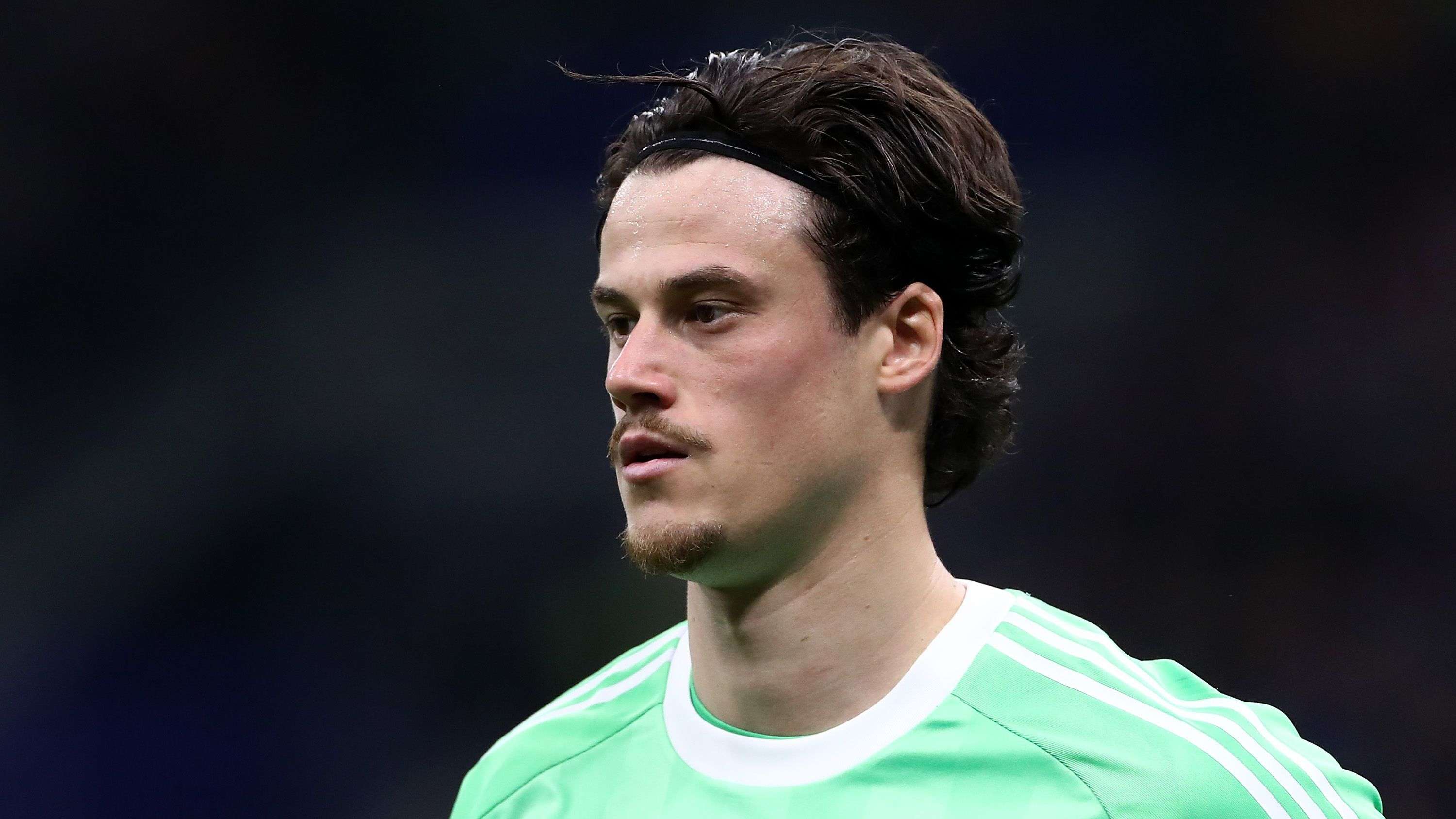
In the fiercely competitive world of Italian football, few players have demonstrated the consistency and reliability that Mile Svilar has showcased over recent seasons. The talented goalkeeper, currently representing AS Roma, has earned a reputation as one of Serie A’s top shot-stoppers. His performances have not only contributed significantly to his club’s standing but have also garnered individual accolades, including being named Serie A’s best goalkeeper in consecutive seasons. Alongside fellow standouts like Donyell Malen, Svilar stands out as a crucial figure in Italy’s top-flight league, admired for his sharp reflexes, commanding presence, and unwavering focus.
The Rise of Mile Svilar in Serie A
Born in Antwerp, Belgium, 27 years ago, Mile Svilar’s journey to the pinnacle of Italian football is a compelling story of talent, perseverance, and a touch of international complexity. His father, Ratko Svilar, is a legendary figure in Belgian football, notably during his playing days at Royal Antwerp, and his mother hails from Bosnia-Serbia, adding a rich multicultural backdrop to his background.
Growing up in Belgium, Svilar quickly emerged as a prodigious talent between the sticks. His early years saw him develop through prominent youth academies, including Beerschot in Belgium and Anderlecht, a club renowned for nurturing future stars. His performances in Belgium’s youth national teams caught the eye of scouts and led to his move to Europe’s elite clubs.
Eventually, Svilar signed with Benfica in Portugal, where he showcased his potential on a broader stage. His standout moment came in 2018 when, at just 18, he became the youngest goalkeeper to score in Champions League history, a feat that underscored his unique blend of talent and composure. Despite this early promise, Svilar’s career trajectory took him across various leagues, ultimately leading him to Serie A, where he now consistently ranks among the league’s best goalkeepers.
Why Has Mile Svilar Not Played International Football?
Despite his impressive club performances, Svilar’s international career remains a complex and somewhat perplexing puzzle. Unlike many of his contemporaries, he has yet to establish himself as a regular fixture in the Belgian national team, and his situation with the Serbian national team is equally intricate. This situation raises important questions about player eligibility, national identity, and the competitive landscape of international football.
Background and Heritage: A Multicultural Identity
Mile Svilar’s multicultural background is a significant aspect of his personal and professional identity. His father, Ratko Svilar, is celebrated as a legend in Belgian football, having played for Royal Antwerp and other clubs, and his mother hails from Bosnia-Serbia. This diverse heritage has given Svilar a unique perspective and the potential eligibility to represent multiple countries at the international level.
Early International Engagement with Serbia
Initially, Svilar’s international journey began with Serbia. Despite his Belgian upbringing, he chose to represent Serbia at the youth level, making his debut for the Serbian national team in September 2021 in a friendly match against Qatar. At just 22 years old at the time, this decision was motivated by a desire to connect with his Serbian roots and seize opportunities at the senior international level.
However, the decision to represent Serbia was not entirely straightforward. The Serbian Football Federation faced stiff competition for talent, with established goalkeepers like Vanja Milinkovic-Savic, Predrag Rajkovic, and Djordje Petrovic occupying key positions. Svilar’s debut was seen as a significant step, but it also set in motion a complex series of events that would challenge his international future.
The Regret and the Desire to Switch to Belgium
Following his debut for Serbia, Svilar expressed regret over his choice, feeling that his prospects with Belgium might be more promising or aligned with his personal aspirations. He refused subsequent call-ups from Serbia and sought to change his international allegiance back to Belgium, where he had spent his formative years and developed his footballing identity.
His legal team has been working tirelessly to navigate the intricate rules surrounding international eligibility. According to FIFA regulations, players can switch national teams under specific conditions: they must have played no more than three official matches for their current country, must not have participated in a final tournament, and must have made their first appearance before turning 21.
In Svilar’s case, however, the timeline complicates matters. He made his Serbia debut just five days after his 22nd birthday, exceeding the age limit for a nationality switch. As a result, Serbia no longer considers him an eligible candidate for future caps, and Belgium, which has not yet called him up, cannot do so under current rules. His legal team continues to explore potential avenues, but so far, a resolution remains elusive.
Implications for His International Career and Future Prospects
This situation underscores the complex interplay between personal identity, national allegiance, and FIFA’s eligibility rules. For Svilar, it means that while he continues to excel at the club level and establish himself as a top goalkeeper in Italy, his international career remains uncertain. His case is a compelling example of how modern footballers often navigate multiple national identities and the strict regulations governing international representation.
Notably, Svilar’s story highlights the broader challenges faced by dual-nationality players, especially in an era where global migration and multicultural backgrounds are increasingly common in the sport. The decision to represent one country over another can have profound implications on a player’s career, opportunities, and personal fulfillment.
Looking Ahead: What’s Next for Mile Svilar?
As of now, Mile Svilar’s focus remains on his club career, where he continues to impress fans and experts alike. His performances for AS Roma have solidified his reputation as one of Serie A’s premier goalkeepers, and his consistency suggests he could be a key figure for years to come.
Meanwhile, the question of his international future remains open. Will legal avenues open up that allow him to switch allegiance to Belgium, or will he remain in a state of international limbo? Given the strict FIFA regulations and the timing of his debut for Serbia, prospects for a change seem limited, but football often surprises fans and players alike with unexpected turns.
Conclusion
Mile Svilar’s journey illustrates the complex, multifaceted nature of modern football careers. His remarkable consistency in Serie A, coupled with his intriguing international eligibility dilemma, makes him a fascinating figure in the sport. For football enthusiasts and prediction analysts, Svilar’s story underscores the importance of considering both on-field talent and off-field eligibility factors when assessing a player’s potential impact on the global stage.
As the football world continues to evolve, Svilar’s case serves as a reminder of the delicate balance between personal identity, national allegiance, and professional ambition. Fans and pundits alike will be watching closely to see whether he can find a way to resolve his international status and fulfill his considerable potential on both the club and national levels.