
Egyptian Football Association Criticizes Officiating at 2026 World Cup
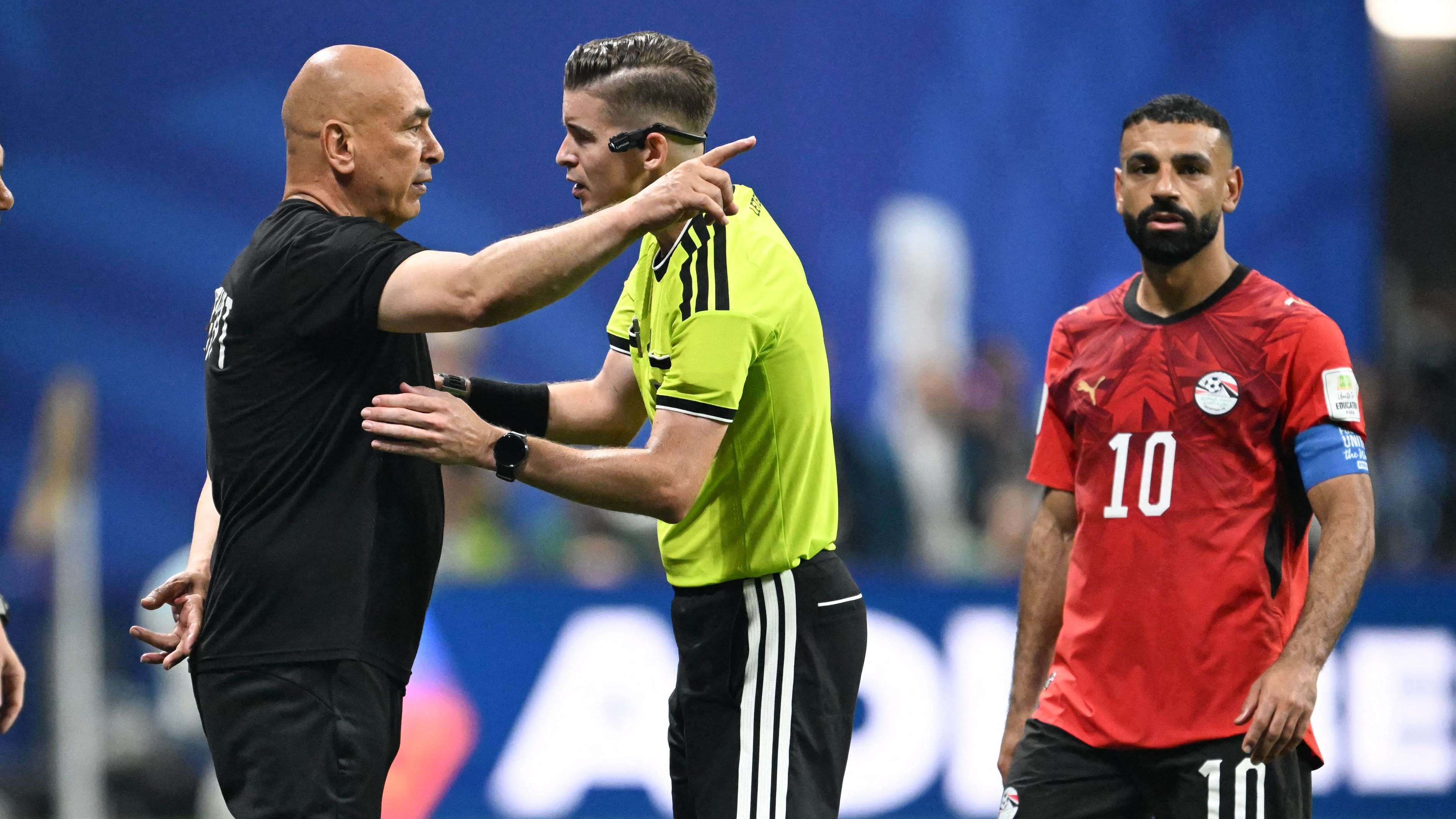
The Egyptian Football Association (EFA) recently made headlines after launching a scathing attack on the officiating standards at the 2026 World Cup. The EFA expressed its frustration over what they deemed as controversial calls that ultimately led to Egypt’s heartbreaking exit from the tournament at the hands of Argentina.
Controversial Calls Lead to Egypt’s Defeat
The Pharaohs had been leading the match against Argentina with a two-goal advantage when a series of contentious decisions by the match officials turned the tide in favor of the South American team. The EFA’s official statement highlighted their disappointment with the standard of officiating, citing it as a major factor in Egypt’s defeat.
“The Egyptian Football Association is deeply disappointed by the series of controversial calls made during the match against Argentina. These decisions significantly impacted the outcome of the game and ultimately led to our team’s elimination from the tournament,” the statement read.
Calls for Improved Officiating Standards
The EFA’s criticism of the officiating at the 2026 World Cup has sparked a larger conversation about the need for improved standards in refereeing across international football. Many fans and experts have echoed the EFA’s sentiments, calling for greater transparency and accountability in the decision-making process during matches.
Former players and coaches have also weighed in on the debate, with some suggesting the implementation of technology such as VAR (Video Assistant Referee) to minimize human error and ensure fair play on the field. The controversy surrounding Egypt’s exit has reignited discussions about the role of officiating in the outcome of high-stakes matches.
The Impact of Egypt’s Loss
For Egypt, the loss against Argentina was a devastating blow, as the team had shown promise throughout the tournament. The Pharaohs’ early exit has left fans and players alike feeling disheartened, with many questioning what could have been had the officiating been more consistent.
Despite the disappointment, Egypt’s performance at the 2026 World Cup has been widely praised, with the team showcasing their talent and determination on the global stage. The EFA’s criticism of the officiating serves as a reminder of the importance of fair play and integrity in football.
Looking Ahead
As the football world reflects on Egypt’s exit from the 2026 World Cup, discussions about officiating standards and the role of technology in the game are likely to continue. The EFA’s bold stance against the officiating serves as a call to action for governing bodies and officials to prioritize fairness and accuracy in future tournaments.
While Egypt may have been eliminated from the competition, their performance has not gone unnoticed. The Pharaohs’ resilience and skill have earned them respect on the world stage, setting the stage for future success in international football.
The Importance of Fair Officiating in Football
Officiating in football has always been a topic of debate and controversy, with fans and teams often feeling aggrieved by questionable decisions that can impact the outcome of matches. The EFA’s criticism of the officiating at the 2026 World Cup highlights the significance of fair play and the need for consistent and unbiased refereeing.
When a match is decided by controversial calls, it not only affects the teams involved but also undermines the integrity of the sport as a whole. Fans and players rely on referees to enforce the rules of the game fairly and ensure that matches are decided based on skill and performance rather than questionable decisions.
As football continues to evolve, the introduction of technology such as VAR has aimed to provide more clarity and accuracy in refereeing decisions. While VAR has its own set of controversies and challenges, its implementation signifies a step towards minimizing human error and ensuring a level playing field for all teams.
Lessons Learned from Egypt’s Experience
Egypt’s journey at the 2026 World Cup serves as a valuable lesson for teams and governing bodies alike. The disappointment of their early exit due to officiating errors highlights the unpredictable nature of football and the importance of mental resilience in the face of adversity.
For Egypt, the experience of facing a powerhouse like Argentina and succumbing to controversial decisions can be a catalyst for growth and improvement. The team can use this setback as motivation to work harder, refine their strategies, and strengthen their resolve for future tournaments.
Additionally, the EFA’s vocal stance against the officiating at the World Cup has brought attention to the need for greater transparency and accountability in refereeing decisions. By holding officials to a higher standard and demanding consistency and fairness, governing bodies can uphold the integrity of the sport and restore fans’ trust in the officiating process.
The Future of Officiating in Football
As football continues to evolve, the conversation around officiating standards and the role of technology in the game will persist. It is crucial for governing bodies to adapt to the changing landscape of the sport and embrace innovations that enhance the fairness and accuracy of refereeing decisions.
While controversies surrounding officiating may never be fully eradicated, the focus should remain on continuous improvement and education for referees to uphold the spirit of fair play in football. By learning from past experiences like Egypt’s unfortunate exit from the 2026 World Cup, the football community can strive towards a future where matches are decided based on skill, effort, and sportsmanship.
In conclusion, Egypt’s criticism of the officiating at the 2026 World Cup sheds light on the challenges and complexities of refereeing in football. Through open dialogue, constructive feedback, and a commitment to fairness, the football community can work towards a future where officiating errors are minimized, and the focus remains on the beautiful game itself.