
FIFA President Gains Arab Support Amid European Opposition
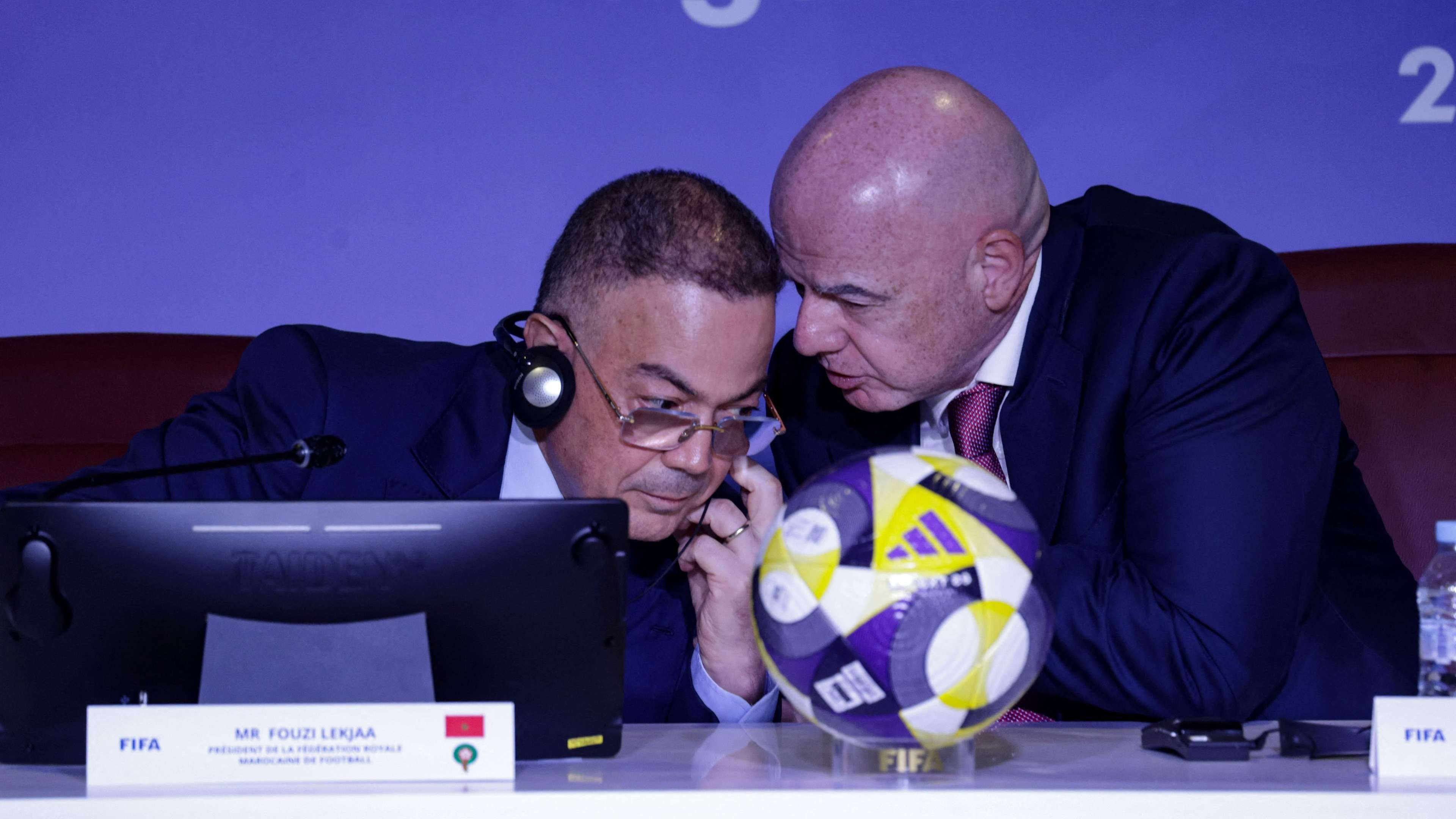
Six Arab football federations have recently expressed their unwavering support for FIFA president Gianni Infantino amidst mounting criticism from European counterparts. This backing comes as a private investment project proposed by Infantino has stirred controversy, prompting objections from federations across three continents.
Arab Federations Rally Behind Infantino
The heads of the Qatar, Morocco, Egypt, Lebanon, Sudan, and Mauritania federations released a joint statement reaffirming their confidence in Infantino’s leadership and his dedication to advancing football on a global scale. These federations view Arab football as a unifying force that fosters cooperation among regional federations.
Notably, four of the six signatories also hold positions on the FIFA Council, underscoring the significance of their support for Infantino. They commend his efforts to promote football worldwide, create more opportunities for all regions, and use the sport as a tool for unity.
“We greatly appreciate Infantino’s continuous efforts to develop football globally, to expand opportunities for all regions, and to strengthen the role of the game in bringing peoples and communities together,” stated the heads of the Arab federations.
The $4.2 Billion Project Sparks Crisis
Infantino’s presidency faces a major challenge as UEFA, the Asian Football Confederation, and CONCACAF criticize a proposed $4.2 billion investment project aimed at restructuring the commercial rights of certain FIFA competitions. The plan involved separating the commercial rights of the World Cup and selling a 20% stake to private investors, but Infantino abandoned the idea following widespread backlash.
While some Asian federations expressed disappointment over the project’s revelation, their stance closely mirrors UEFA’s objections to the proposal’s execution. Notably, national federations hold voting power in FIFA elections, with each federation representing a single vote.
Implications for the FIFA Presidential Election
Infantino is gearing up to contest the FIFA presidential election slated for next March, where he will need to secure 106 votes for a simple majority if faced with one challenger. In the event of multiple candidates, he must garner a two-thirds majority in the first round, amounting to 141 votes for victory.
The backing from Arab federations holds strategic importance for Infantino’s re-election bid, positioning him favorably amidst opposition from other continents. As the football world awaits the outcome of the upcoming election, Infantino’s ability to navigate through challenges and secure broad support will be crucial in shaping the future of FIFA.
Overall, Infantino’s leadership has sparked both acclaim and controversy within the football community, setting the stage for a compelling and closely-watched presidential race in the months ahead.
Challenges and Opportunities in FIFA’s Global Landscape
As FIFA President Gianni Infantino navigates through a turbulent period marked by both support and opposition, the global football community eagerly awaits the implications of his leadership decisions. The backing from Arab federations not only bolsters Infantino’s re-election bid but also sheds light on the intricate dynamics at play within FIFA.
While the proposed $4.2 billion investment project may have sparked a crisis, it also underscores the evolving nature of commercialization within football. The pushback from European and other federations highlights the delicate balance between financial growth and the preservation of football’s integrity. As the sport continues to expand its global reach, finding a sustainable approach to commercial partnerships remains a pressing challenge for FIFA.
Redefining Unity and Collaboration in Football
The joint statement from the Arab federations emphasizes the role of football as a unifying force that transcends borders and cultures. Infantino’s vision to use the sport as a tool for promoting unity resonates with these federations, who see football as a platform for fostering cooperation and mutual respect.
In a world where geopolitical tensions often spill onto the football pitch, the support for Infantino from Arab federations offers a glimpse of the potential for football to bridge divides and inspire positive change. By leveraging the universal appeal of the sport, FIFA has the opportunity to drive social impact and promote inclusivity on a global scale.
The Power of Strategic Alliances in FIFA Politics
As Infantino prepares for the upcoming FIFA presidential election, the backing of Arab federations signals the importance of strategic alliances in securing leadership positions within the organization. With voting power distributed among national federations, the ability to garner broad support from diverse regions becomes essential for successful reelection campaigns.
By cultivating relationships with federations across continents, Infantino not only strengthens his position within FIFA but also demonstrates a commitment to representing the interests of a diverse range of football stakeholders. The complex web of alliances and rivalries within FIFA politics adds a layer of intrigue to the electoral process, shaping the future direction of the organization.
Looking Ahead: The Future of FIFA Leadership
As Gianni Infantino navigates the challenges and opportunities on the road to the FIFA presidential election, the football world remains captivated by the unfolding drama. The interplay between support from Arab federations, opposition from European counterparts, and the broader implications of commercialization in football paints a complex picture of FIFA’s global landscape.
Ultimately, the outcome of the election will not only determine the next phase of leadership within FIFA but also set the course for the future of football governance. Whether Infantino secures reelection or faces a new challenger, the decisions made in the coming months will shape the trajectory of the sport for years to come.
As stakeholders across the football community await the results of the election, the spotlight remains firmly on FIFA and the leadership dynamics that will define its path forward. From strategic alliances to commercial partnerships, the intricate interplay of forces within FIFA underscores the complex nature of governing the world’s most popular sport.