
Bayern Munich Held to Dramatic Draw After Manuel Neuer’s Early Error
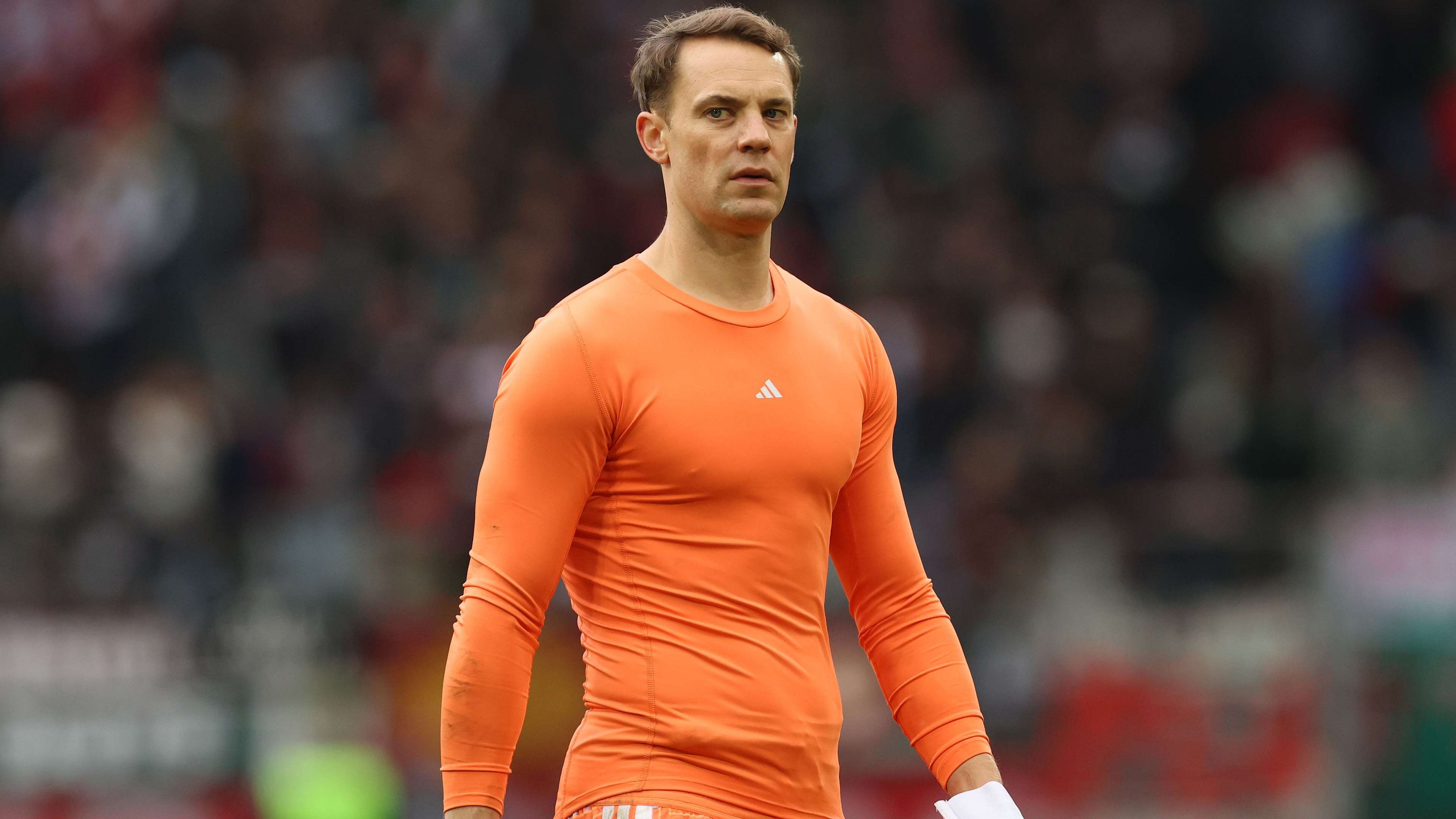
Bayern Munich sporting director Max Eberl has questioned Manuel Neuer’s decision-making after an early goalkeeping error helped Augsburg claim a dramatic 2-2 draw. The costly moment gave the home side the fastest goal in Bundesliga history and left Bayern frustrated as they pursued a stronger position near the top of the table.
For Bayern, the result was more than a dropped pair of points. It highlighted how quickly a match can turn when a team’s defensive choices go wrong, even when an experienced goalkeeper is involved. Neuer’s mistake became the defining talking point, while Eberl’s public criticism added a fresh layer of scrutiny to the club’s performance.
Augsburg Strike Before Bayern Can Settle
The match began in startling fashion. Augsburg took advantage of Neuer’s early decision-making error to score almost immediately, setting a record for the fastest goal in Bundesliga history. The hosts were able to celebrate before Bayern had properly found their rhythm, forcing the visitors to respond under pressure from the opening moments.
Such a rapid breakthrough can reshape a football match. The team that scores gains confidence and can focus on protecting its advantage, while the side that concedes must quickly adjust its approach. Bayern had expected to control possession and impose their quality, but Augsburg’s goal disrupted those plans and gave the home side an early psychological boost.
Neuer is one of the most accomplished goalkeepers of his generation, widely recognised for his shot-stopping, distribution and willingness to play far beyond his penalty area. That proactive style has often helped Bayern build attacks from the back. But it also places extra importance on judgement: a goalkeeper must decide when to advance, when to hold position and when a safer option is preferable.
Against Augsburg, the decision that preceded the opening goal proved costly. Eberl’s criticism reflects the high standards Bayern set for themselves, particularly in matches where the club is expected to take control. For a team chasing success on several fronts, mistakes in the opening stages can make an already demanding contest significantly harder.
Eberl’s Criticism Puts the Spotlight on Decision-Making
Eberl’s comments focused on Neuer’s choices rather than diminishing the goalkeeper’s overall record. That distinction matters: Bayern’s sporting director was responding to a specific incident that had a direct impact on the match. At elite level, reputation does not remove accountability, and senior players are often judged by whether their decisions serve the team in the moment.
Goalkeeping errors are especially visible because they can lead directly to goals. Yet the issue is not always simply whether a player made a mistake. Coaches and sporting staff also assess the situation that produced it: the defensive line’s positioning, communication between teammates and the risks involved in trying to intercept or clear the ball.
Neuer’s style is closely associated with Bayern’s high defensive line. By operating outside the goal area when needed, he can help close space and prevent opponents from running through on goal. The approach can be highly effective, but it depends on precise timing and clear coordination. One misjudgement can leave the goal exposed and offer the opposition a chance to punish Bayern immediately.
The incident also raises a broader question for the club: how should Bayern balance their preferred attacking identity with the need to manage risk? A proactive goalkeeper can be an important part of building play, but the team must be ready for the occasional decision that does not go to plan. Defensive cover, communication and quick recovery can all determine whether an error becomes a goal.
Bayern Recover, but the Draw Leaves Questions
Despite the damaging start, Bayern did not allow the opening goal to decide the entire contest. The match finished 2-2, showing that the visitors were able to respond and remain competitive. However, recovering from an early setback is not the same as securing the result a title contender expects. Bayern will have viewed the draw as a missed opportunity, particularly given the importance of every point in a closely contested league campaign.
For Augsburg, the result offered a significant reward for their fast start and resilience. Scoring so early gave the hosts a memorable piece of Bundesliga history, but holding a major club to a draw required more than one moment of fortune. Augsburg had to maintain concentration as Bayern looked for a way back into the match, and the final score reflected the home side’s ability to remain in the contest.
The outcome also underlines why football prediction is difficult, even when one team enters a match as the clear favourite. Bayern’s technical quality and experience may have made them the more likely side to control proceedings, but an unexpected early goal can alter the tactical picture. Once Augsburg took the lead, the match became a test of Bayern’s composure, attacking efficiency and ability to manage the risks of chasing an equaliser.
What the Result Could Mean for Bayern’s Season
A single draw does not define a season, but the manner in which it happens can offer useful lessons. Bayern will need to review how Augsburg created their historic opening and whether communication or positioning contributed to Neuer’s error. The response should involve the whole defensive unit, not just the goalkeeper, because preventing similar situations often depends on coordinated decisions across the team.
Neuer’s experience should remain an asset for Bayern, but Eberl’s remarks indicate that the club expects its leaders to make choices that reduce unnecessary danger. The challenge is to preserve the qualities that make Neuer valuable while ensuring that Bayern’s defensive approach is supported by sensible risk management.
For supporters, the 2-2 result is likely to be remembered for two contrasting themes: Augsburg’s record-breaking start and Bayern’s failure to turn their recovery into a victory. The draw keeps attention on the Bundesliga standings and on how Bayern respond in their next fixtures. Their reaction—not just the error itself—will help determine whether this match becomes a brief warning or a more persistent concern in the race for the top spot.
As the season continues, Bayern’s ability to convert pressure into points will be crucial. The Augsburg match showed that even a team with Bayern’s depth and pedigree can be unsettled by one early decision. In a league where margins are tight, sharper judgement at the back and greater control after conceding could prove just as important as attacking quality.