
Roberto Gómez Calls for Federation Response to Mourinho’s Refereeing Remarks
José Mourinho’s latest comments about refereeing have intensified debate in Spanish football, prompting journalist Roberto Gómez to urge the Royal Spanish Football Federation (RFEF) to respond. Speaking on Radio Marca’s La Tribu, Gómez said that while Real Madrid are entitled to challenge decisions they believe are unfair, he considers the coach’s remarks about officials a more serious matter.
The dispute follows a controversial match against Villarreal, where Vinícius Júnior had a goal ruled out and was later shown a straight red card for pulling the hair of Villarreal defender Nathan Saliba during the build-up to an attack. Mourinho referred to the opening minute of that game at a subsequent press conference, suggesting the incident was clear to anyone who understood football.
Gómez Distinguishes Club Complaints from Mourinho’s Comments
Gómez began by acknowledging that Real Madrid have a right to voice concerns about refereeing. In his view, clubs must be able to question decisions and discuss the performance of match officials, especially when a call has a significant effect on a result. However, he argued that there is an important difference between criticising a decision and implying that a referee might deliberately act against a team.
“Real Madrid have the right to protest against the decisions, especially the referees’ performance,” Gómez said, according to Radio Marca. He then turned his attention to Mourinho’s remarks, describing them as “extremely serious.”
Gómez interpreted the coach’s comments as casting doubt not only on the referee’s judgement, but also on the official’s intentions. That distinction is central to the current controversy: disagreement over a call is common in football, but suggestions that a referee may be seeking to harm a particular club can quickly raise the stakes.
Why the Debate Matters Beyond One Match
Refereeing controversies are a familiar part of the sport, particularly after a disallowed goal, a sending-off or another decision that can alter a match’s momentum. But public accusations can have consequences beyond a single fixture. They may put pressure on officials, deepen mistrust among supporters and fuel claims that the competition is not being administered fairly.
That is why Gómez said the issue should concern more than the Technical Committee of Referees. He called on the wider federation—and Spanish football as a whole—to take the remarks seriously. In his assessment, comments that appear to question the integrity of officiating risk damaging confidence in the league.
Gómez also criticised the absence of an official response. He argued that the matter should not be left to circulate as another media argument, particularly if similar exchanges continue during the season. He asked whether Mourinho should be called in to clarify his comments or formally reprimanded, but said those steps would not be enough on their own. Instead, he called for a response from the RFEF president, Rafael Louzán.
Mourinho’s Reference to the Villarreal Match
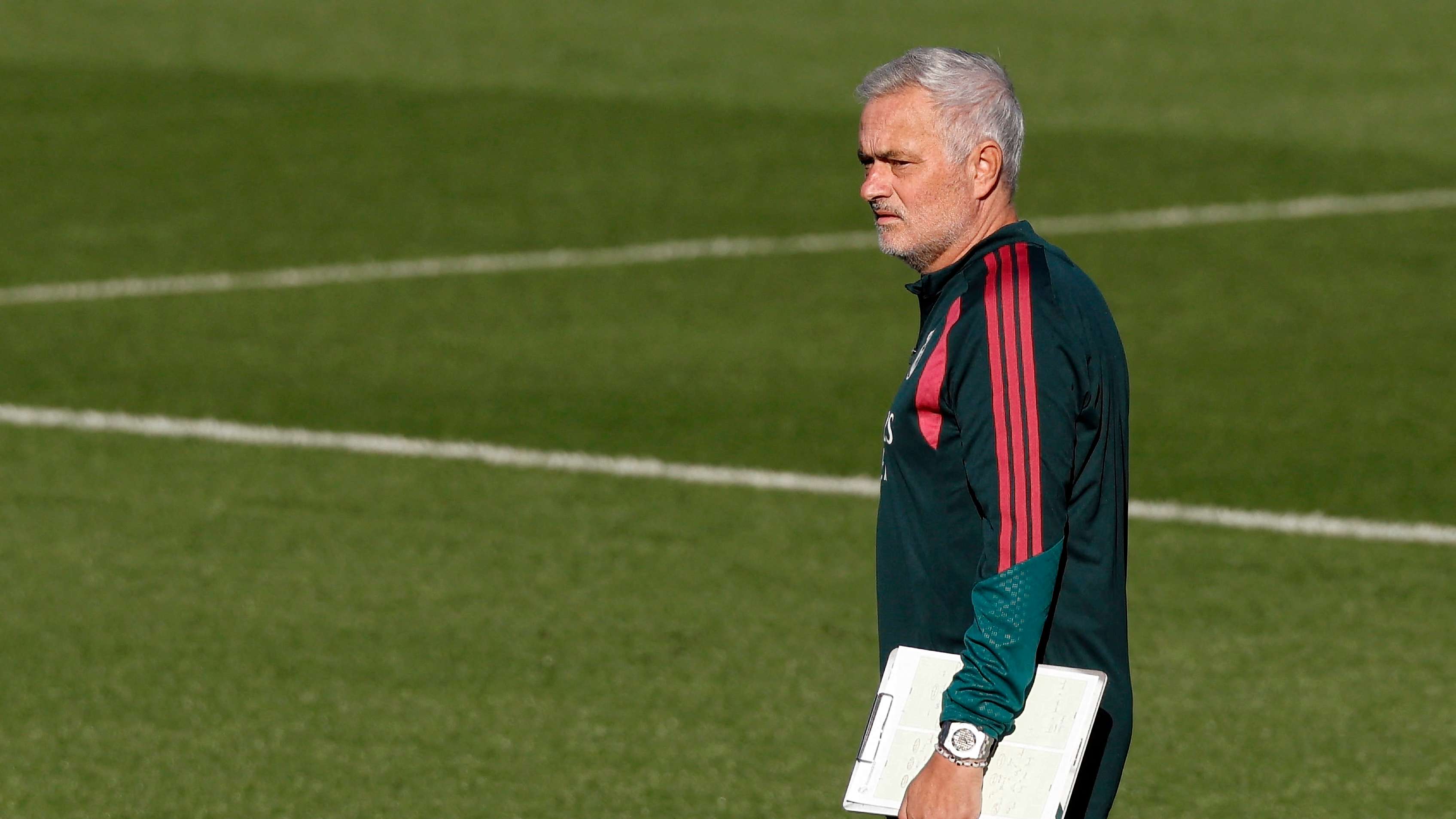
Mourinho’s latest remarks came during a press conference ahead of a Champions League match against Roma. Discussing Real Madrid’s previous meeting with Villarreal, he invited reporters to watch the opening minute and suggested that the sequence required no explanation for anyone who understood football. He also indicated that he was willing to discuss the incident again at a later date.
The coach’s focus on the opening phase of the match appears to relate to the contentious sequence involving Vinícius. The Brazilian forward had a goal disallowed and was subsequently dismissed after pulling Saliba’s hair. The decisions drew attention from fans and commentators, with debate centring on the sequence of events, the referee’s interpretation and whether the punishment was appropriate.
Mourinho did not attend the press conference after Saturday’s match, according to the original report. His absence, combined with his later comments, has added another layer to a dispute that might otherwise have remained focused on the match incidents themselves.
Federation Faces a Delicate Balancing Act
The RFEF now faces a familiar challenge: protecting the credibility of referees while allowing coaches and clubs to express legitimate criticism. A measured response could clarify where the federation draws the line between robust debate and remarks that undermine confidence in officials. At the same time, any intervention would need to avoid appearing to silence discussion of contentious decisions.
That balance is especially important early in a season, when repeated public disputes can shape the atmosphere around future matches. If coaches believe that criticism is ignored, frustration may grow. If disciplinary action is perceived as inconsistent, it could create further controversy. Clear standards and consistent communication are therefore likely to matter as much as any individual sanction.
For supporters, the immediate question is whether the argument will remain a media exchange or lead to formal action. The federation has not issued an official reaction in the account provided, leaving Gómez’s call for the president to step forward unanswered for now.
What Comes Next for Real Madrid and Spanish Football?
Gómez ended with a warning that, if the situation continues along the same path, the consequences may be predictable. His concern is not limited to one referee or one decision; he believes unresolved accusations could intensify scrutiny of officials throughout the campaign.
For Mourinho and Real Madrid, the controversy is likely to remain tied to the Villarreal match and the decisions involving Vinícius. For the RFEF, the issue is broader: how to respond to criticism without allowing the debate to undermine trust in Spanish football’s officiating system.
Any prediction about what happens next remains uncertain. The federation could choose to respond publicly, seek clarification or allow the matter to fade. But with the season underway and attention already focused on refereeing, further comments from Mourinho—or a formal statement from the RFEF—could quickly bring the issue back into the headlines.