
Football Prediction and the Power of Public Statements: The Wout Weghorst Controversy
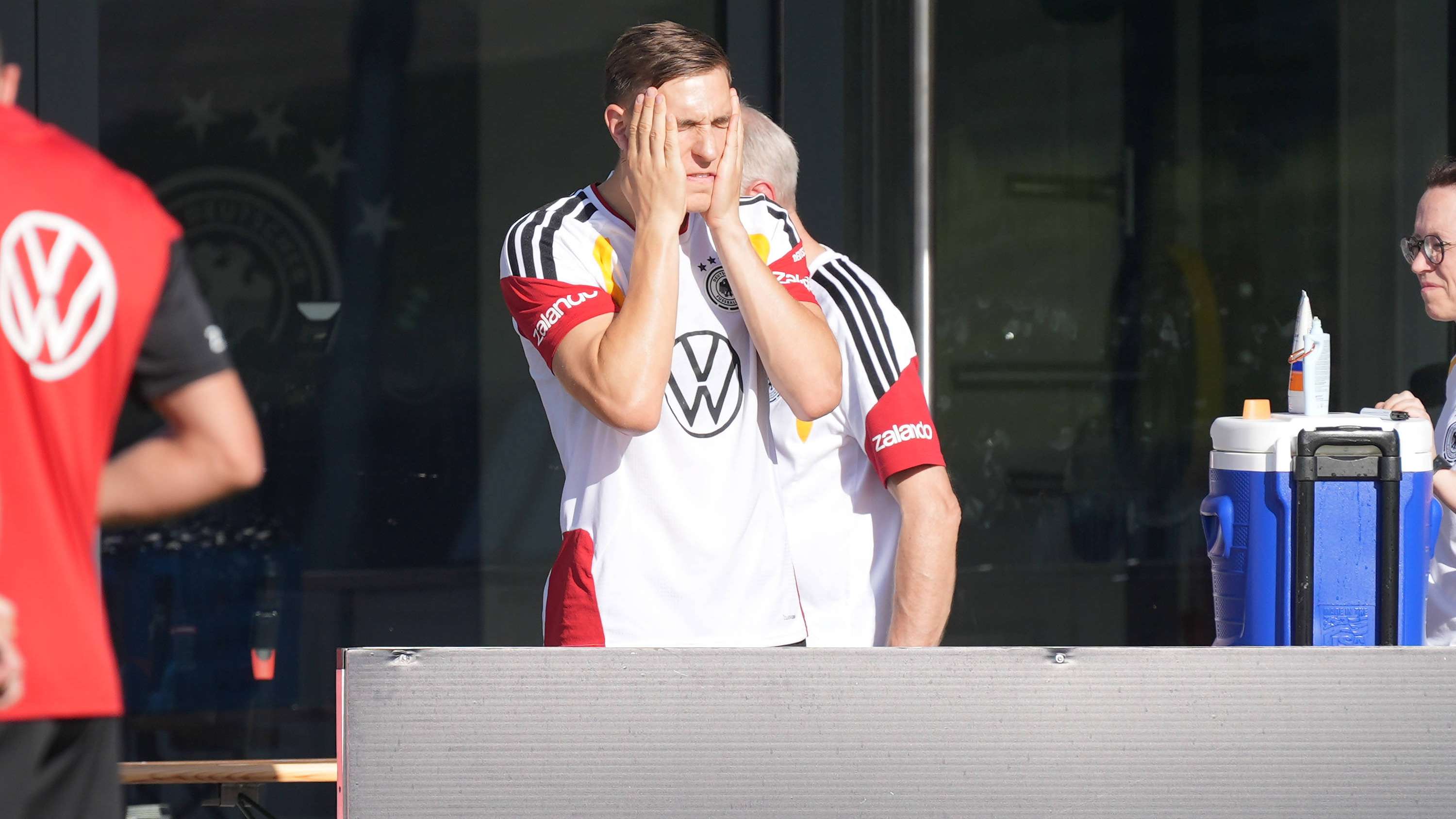
The world of professional football often goes beyond the pitch, with players’ comments and attitudes stirring debates among fans, pundits, and sports analysts alike. Recently, a heated discussion emerged around Wout Weghorst, the talented striker from FC Twente, following his remarks after a significant victory that secured their spot in the Conference League group stage. This episode not only ignited conversations about player behavior but also highlighted how football predictions and public narratives influence the sport’s perception.
Wout Weghorst’s Post-Match Remarks Ignite Controversy
On a Thursday evening, after FC Twente’s commanding 4-1 win over FK Qarabag in the Conference League qualifiers, Wout Weghorst made a statement that would resonate far beyond the stadium. Speaking to ESPN, the Dutch striker expressed his gratitude and attributed his energy and success to divine intervention. “I first want to thank someone, and that is God. He has given me a lot of energy and strength. I just wanted to say that,” Weghorst stated, visibly buoyed by his team’s achievement.
While such expressions of faith are common in sports, especially among players who find motivation through spirituality, the context of Weghorst’s comments stirred controversy. Supporters and critics debated whether his remarks were appropriate or whether they detracted from the professionalism expected of footballers at the highest level.
The Rift Among Pundits: Driessen vs. Verweij
Within just a day, the debate escalated as football analyst Valentijn Driessen launched a sharp critique of Weghorst’s comments in a podcast hosted by the popular Dutch newspaper, De Telegraaf. Driessen, known for his candid and often provocative opinions, dismissed Weghorst’s invocation of God as “nonsense” and “ridiculous.” He expressed his disapproval sharply:
“Wout Weghorst should not be coming out with this sort of nonsense. If he wants that, he should keep it to himself. Of course, it makes absolutely no sense at all,” Driessen argued, emphasizing his skepticism about the player’s spiritual assertions.
In stark contrast, fellow football journalist Mike Verweij defended Weghorst’s right to share his beliefs publicly. Verweij suggested that honest expressions from players should be welcomed, especially in a sport that thrives on personalities:
“That is nonsense, surely. If that is how he feels and thinks, and he feels the need to say that in front of a camera, then good on him. We are surely happy with players who actually speak their minds,” Verweij remarked.
The Underlying Tensions in Football Culture
This disagreement highlights a broader tension in football culture concerning personal expression and professionalism. On one side, some see athletes’ openness about their faith or personal beliefs as refreshing honesty, which can inspire fans and foster a more genuine connection. On the other, critics argue that such comments risk overshadowing the sport itself or appearing out of place in a competitive environment.
Valentijn Driessen’s Sharp Critique: A Deeper Look
Valentijn Driessen didn’t hold back. He questioned the appropriateness of linking divine intervention to specific football moments, especially controversial ones. He pointed out an incident during the match where Weghorst was involved in a contentious foul that led to a red card for FK Qarabag’s player. Driessen cynically suggested:
“He had God on his side because Weghorst rolled on and got that guy sent off. That foul, which drove his knee into the opponent’s chest, was also what God wanted,” Driessen quipped, implying that some interpret sporting success as divine favoritism.
He further expanded his critique, emphasizing that such statements about divine inspiration can seem disconnected from the realities of professional sports:
“I do not need to hear stories about God every time. It’s just nonsense. When a four-year-old child with leukemia is suffering, apparently God does not have time for that,” he added, highlighting his view that faith should not be used to justify every sporting moment or success.
Implications for Football Prediction and Player Image
In the realm of football prediction, player comments and public perceptions can significantly influence betting markets and fan expectations. When players openly discuss their motivations, faith, or personal beliefs, it adds an extra layer of narrative to the sport—potentially impacting how predictions are made about team performance and individual contributions.
For instance, Wout Weghorst’s outspoken faith could be seen as a sign of his mental resilience and motivation, qualities that sports analysts often factor into predictions about a player’s future performance. Conversely, public controversies like this can also create uncertainty, leading to debates about a player’s focus or professionalism—factors that sports bettors consider when assessing odds.
The Broader Context: Football’s Evolving Culture and Public Discourse
This incident exemplifies a shifting landscape in football where players increasingly feel empowered to express their personal beliefs publicly. Modern football fans are more engaged than ever, and social media amplifies these voices, making every statement a potential headline. As a result, the sport is navigating a delicate balance between personal authenticity and maintaining a professional image that appeals to a global audience.
Football predictions now often incorporate not just statistical analysis but also an understanding of a player’s mindset, morale, and public persona. Controversies like Weghorst’s comments serve as reminders that behind the goals and assists are complex individuals whose personal beliefs can influence their on-field performance and the narrative surrounding their careers.
Conclusion: The Future of Player Expression and Football Prediction
As football continues to evolve, so too will the ways in which player expressions—whether about faith, motivation, or personal struggles—impact the sport’s culture and prediction models. The debate sparked by Weghorst’s comments underscores the importance of respecting individual beliefs while recognizing their potential influence on team dynamics, public perception, and betting markets.
Ultimately, the ongoing dialogue about player conduct and expression enriches the sport, making every match not just a contest of skills but a reflection of human stories and societal values. Whether you are a passionate football fan, a sports bettor, or a casual observer, understanding these nuances can enhance your appreciation of the beautiful game and its unpredictable, compelling narratives.