
Anonymous Referee Letter Puts Bas Nijhuis in the Spotlight on Vandaag Inside
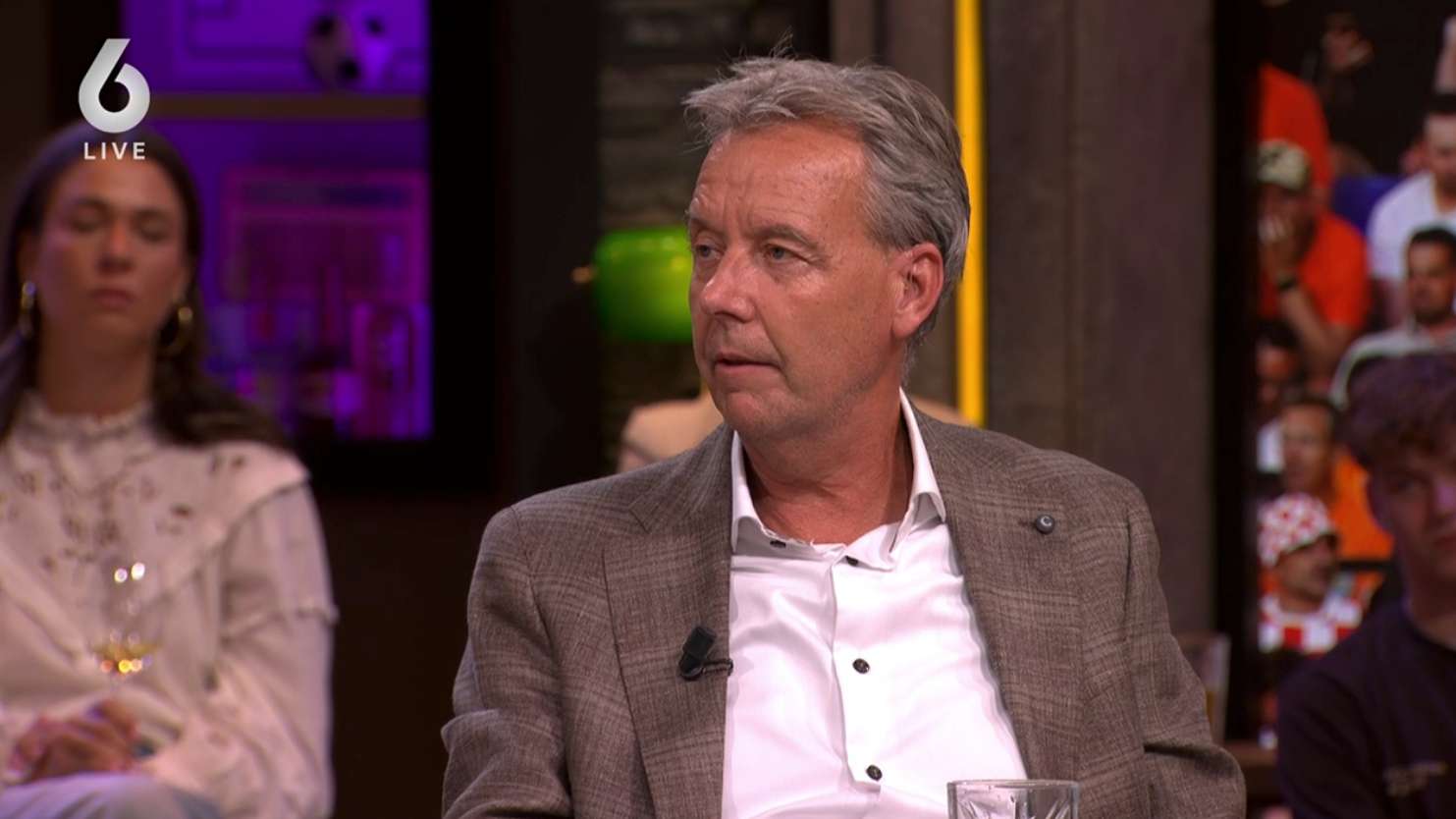
Veteran Dutch referee Bas Nijhuis has become the focus of a fresh debate about officiating, television commentary and the relationship between football’s governing bodies and the media. During Monday evening’s edition of Vandaag Inside, De Telegraaf football chief Valentijn Driessen revealed that he had received an anonymous letter from a referee alleging that the KNVB was using Nijhuis as a strategically positioned voice on the programme.
The claim surfaced during a discussion of a disputed incident from Saturday’s Ajax–NEC match, which finished 1-1. The panel examined Abdellah Ouazane’s challenge on Bryan Linssen and whether the Ajax player should have been sent off. Nijhuis, who regularly appears on the talk show to discuss refereeing decisions, argued that a yellow card was an appropriate outcome.
Ajax–NEC challenge sparks a red-card debate
Describing the contact as “foot on foot,” Nijhuis said the caution shown by referee Serdar Gözübüyük was sufficient. In his view, the incident did not warrant a red card, and Gözübüyük was right to keep it in his pocket. The exchange gave the programme a familiar talking point: how much force, danger and intent should be considered when officials judge a challenge in a fast-moving football match?
Such decisions often divide supporters because viewers may focus on different details. One fan might see the point of contact and potential injury risk, while another may consider the speed of the challenge, the players’ movements and whether the tackle was reckless. Television replays can add useful perspective, but they can also make a brief incident appear more deliberate or dramatic than it looked to the referee in real time.
Nijhuis’s assessment was not unusual for a post-match discussion, but Driessen used the moment to question the referee’s role on Vandaag Inside. With a sarcastic edge, he suggested that Nijhuis was once again acting as a “strategist” speaking on behalf of the KNVB, the Dutch football association.
Driessen reveals the contents of an anonymous letter
Driessen then disclosed that he had received an anonymous letter from a referee. According to his account, the writer alleged that the KNVB was using Nijhuis as a “strategically placed pawn” on the programme. The suggestion was that his regular television appearances could serve a broader purpose by shaping how viewers understand refereeing decisions and the association’s position on them.
The allegation is serious, but Driessen did not present the letter as verified evidence of an official KNVB strategy. He also made clear that he would not read the entire document aloud. He said he had gone through it quickly and noted that the referee had put considerable effort into writing it: the letter was four pages long.
Because the writer was anonymous and the claims were relayed second-hand on a television show, the accusation should be treated as an allegation rather than an established fact. The programme did not provide independent confirmation of the letter’s claims, and the account shared on air did not include enough detail to establish the writer’s identity, position or evidence.
Johan Derksen jokes that Nijhuis is a “spy”
Johan Derksen responded to Driessen’s story with a joke, saying that Nijhuis was essentially a spy. The remark added to the show’s teasing tone, turning a serious accusation into a punchline for the studio panel. At the bar, Nijhuis mostly laughed as Driessen and Derksen discussed the claim.
His reaction kept the exchange light on screen, but the subject touches on a wider question in Dutch football: what is the purpose of having active or recently active referees explain controversial calls in the media? Supporters can benefit from hearing how officials interpret the Laws of the Game, especially when a decision affects the result. At the same time, regular television appearances can invite suspicion that a pundit is defending an institution rather than offering an independent assessment.
Why referee commentary matters to football audiences
Referees who appear as analysts can help explain why a particular tackle earns a yellow card instead of a red, or why a goal is allowed after a VAR review. Their experience may give viewers insight into the practical pressures of making decisions in seconds. However, credibility depends on transparency: audiences need to know whether a commentator is speaking personally, representing an organisation or simply explaining how the rules are generally applied.
That distinction is especially important after high-profile matches, when a single refereeing decision can dominate the conversation. In the Ajax–NEC case, the debate over Ouazane’s challenge on Linssen quickly moved beyond the incident itself and toward the people discussing it. Rather than focusing only on the prediction of what decision an official might make in a similar situation, viewers were also left considering whether television analysis can remain impartial.
The KNVB’s alleged use of Nijhuis was not confirmed during the broadcast. The exchange instead highlighted how easily commentary about a football decision can become a debate about influence, trust and media roles. Nijhuis’s view was that a yellow card was enough; Driessen raised the anonymous referee’s accusation; and Derksen supplied the programme’s characteristic humour.
For now, the letter remains an unverified claim reported by Driessen, not proof of a coordinated KNVB plan. The episode nevertheless gives Dutch football fans another reason to scrutinise how refereeing decisions are explained after matches—and to distinguish an informed opinion from an allegation about behind-the-scenes strategy.