
Why José Félix Díaz Ranked Kylian Mbappé Ahead of Lamine Yamal in His Ballon d’Or Prediction
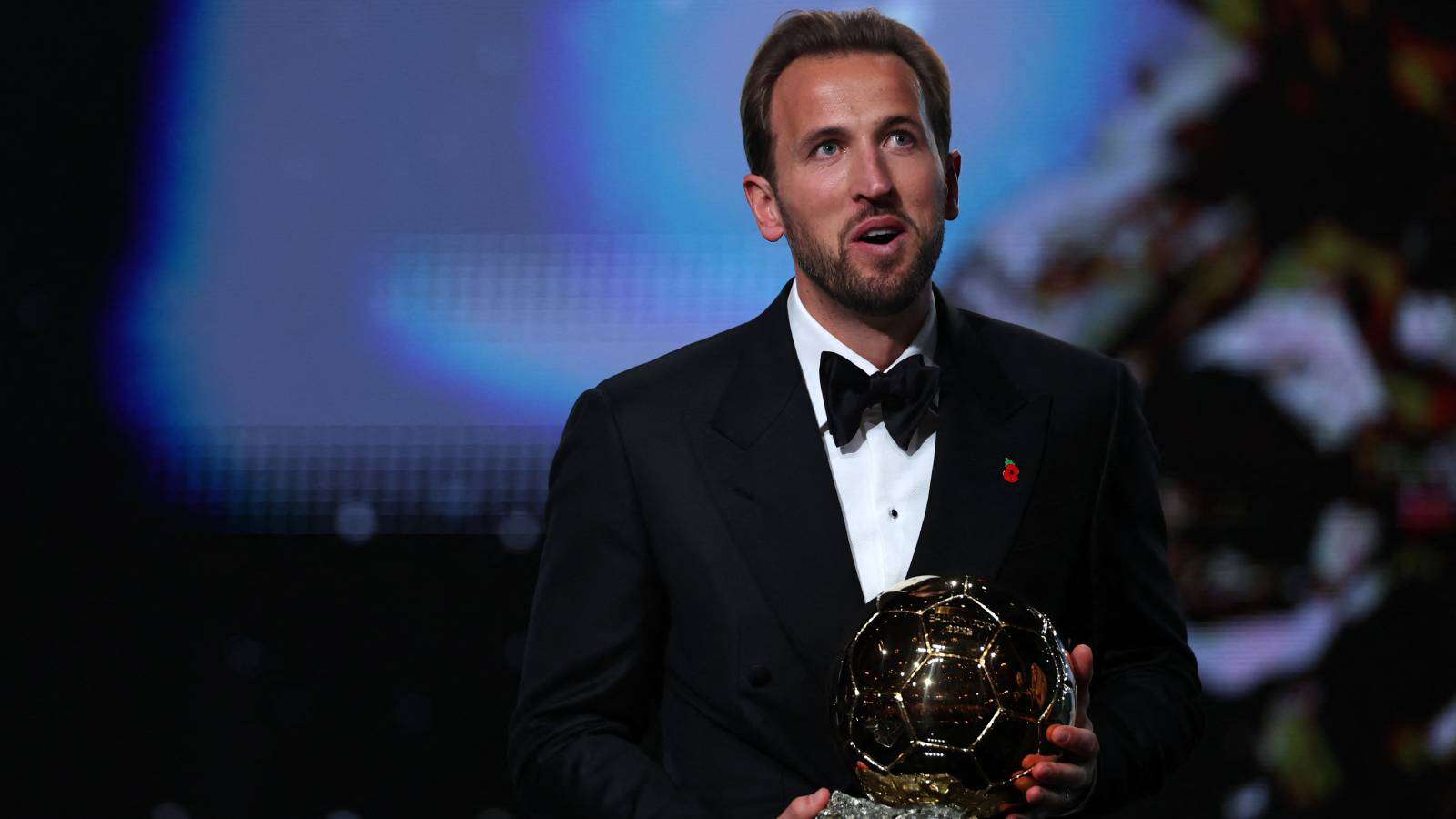
José Félix Díaz, editorial director of Spanish newspaper AS and Spain’s representative on the Ballon d’Or jury, sparked debate with his selection of the world’s top three players. Díaz placed Kylian Mbappé first, Barcelona teenager Lamine Yamal second and England striker Harry Kane third—even though Kane ultimately won the award at the ceremony in London last Monday.
The ranking quickly raised questions among football fans. Why did Spain’s own Ballon d’Or voter put a French forward above a Spanish player who had enjoyed a trophy-filled season? And what does the result reveal about the different ways voters assess individual excellence?
Díaz’s Top Three: Mbappé, Yamal and Kane
Díaz’s ballot had Mbappé at the summit, followed by Yamal and then Kane. His choice stood out because the three players had made their cases in very different ways. Mbappé’s reputation as one of the game’s most decisive attackers remained powerful, while Yamal’s breakthrough season brought both individual acclaim and major team honours. Kane, meanwhile, delivered prolific goalscoring numbers and finished first in the final Ballon d’Or result.
A voter’s ranking is not necessarily a prediction of the eventual winner. It reflects how that journalist weighs a player’s influence, performances, consistency and achievements across the voting period. In Díaz’s case, the order suggested that he valued Mbappé’s individual level and attacking impact more heavily than Yamal’s collection of trophies.
Why Mbappé’s First Place Raised Eyebrows
The main source of controversy was the contrast between Mbappé’s personal reputation and his team’s results. The French star was widely regarded as one of the world’s most dangerous forwards, but he did not lift a major trophy with either his club or the France national team during the season described in the original report. That made his place at the top of a Spanish voter’s list especially striking.
Ballon d’Or voting has never been based on silverware alone. A player can still earn high recognition through goals, creative contribution, match-winning displays and sustained excellence, even when his team falls short in major competitions. Mbappé’s ability to influence games and his standing among the sport’s elite may have been enough to persuade Díaz that he deserved the top spot.
Still, the absence of a major title makes the decision open to debate. For many supporters, football is ultimately judged by what a player helps his team win. When a candidate finishes a season without a major trophy, voters who prioritise collective success may find it harder to place him ahead of a player who contributed to several championship campaigns.
Yamal’s Trophy-Laden Season
Yamal had a compelling case for first place. The young Barcelona winger enjoyed a remarkable campaign, winning the World Cup with Spain as well as the Spanish league and Spanish Super Cup with his club. Those achievements gave him a strong combination of team success and personal momentum, making his second-place position on Díaz’s ballot a talking point.
His rise also carried a broader significance. Yamal established himself as a major presence at an unusually young age, combining close control, speed and confidence in one-on-one situations with an ability to create chances for teammates. For supporters, his season was not simply about medals; it was evidence that he could shape high-pressure matches for both club and country.
That distinction matters in a Ballon d’Or discussion. A trophy count can strengthen a player’s candidacy, but voters may also ask how central he was to each success. They may compare a player’s role, minutes, consistency and influence with those of other nominees. Díaz’s ranking indicates that, despite Yamal’s achievements, he saw Mbappé as the more deserving individual performer.
Harry Kane’s Award-Winning Campaign
Kane’s third-place finish on Díaz’s list also contrasts with the final outcome: the England captain claimed the award at the London ceremony. That difference highlights how individual ballots can diverge from the collective result. Each juror makes a personal assessment, and the combined rankings determine the winner—not any single journalist’s selection.
Kane’s presence in Díaz’s top three nevertheless recognised his standing among the leading players in world football. His reputation rests on more than finishing: he is also known for dropping deeper, linking play and helping build attacks. A forward who can score and create offers voters a broader picture of influence, particularly when his performances remain consistent across a long season.
How Ballon d’Or Voting Creates Debate
The Ballon d’Or is an individual award, but football is a team sport. That tension is at the heart of almost every voting debate. Some journalists favour players whose teams win the biggest competitions; others focus more closely on individual output, technical quality or the ability to change a match. There is no single formula that all voters apply in exactly the same way.
As a result, a ballot can be controversial without being unusual. Supporters often compare goals, assists, trophies and decisive performances, while voters must turn those different measures into a ranked list. One journalist may view a title-winning season as the strongest evidence of greatness; another may believe that a player’s individual level deserves greater weight, even without a major team honour.
Díaz’s Role on Spain’s Ballon d’Or Jury
Díaz took over the role of representing Spain on the Ballon d’Or jury from Alfredo Relaño. His appointment places him within a tradition of Spanish journalists responsible for submitting the country’s vote. The position gives his choices particular visibility, especially when a Spanish player such as Yamal is among the leading contenders.
Ultimately, Díaz’s ranking is best understood as a personal assessment rather than a definitive verdict on the season. His first-place choice of Mbappé, second-place placement of Yamal and third-place selection of Kane show how different interpretations of individual merit can produce sharply contrasting predictions. For fans, that disagreement is part of the award’s appeal: it keeps the conversation going long after the final whistle and the ceremony are over.