
Saudi Football Under Pressure: The Reality Behind Player Performance and Public Criticism
In the world of football, the spotlight often shines brightly on players’ performances, fueling intense media scrutiny and fan reactions. Recently, a controversial message from Saudi media figure Khalid Al-Shenaif has reignited discussions about the immense pressures faced by footballers, especially amid rising criticism of national team star Abdullah Al-Hamdan. His words shed light on the psychological and emotional challenges players confront, raising important questions about the expectations placed upon them and the resilience required to thrive on the pitch.
The Context of the Criticism: Abdullah Al-Hamdan Under Fire
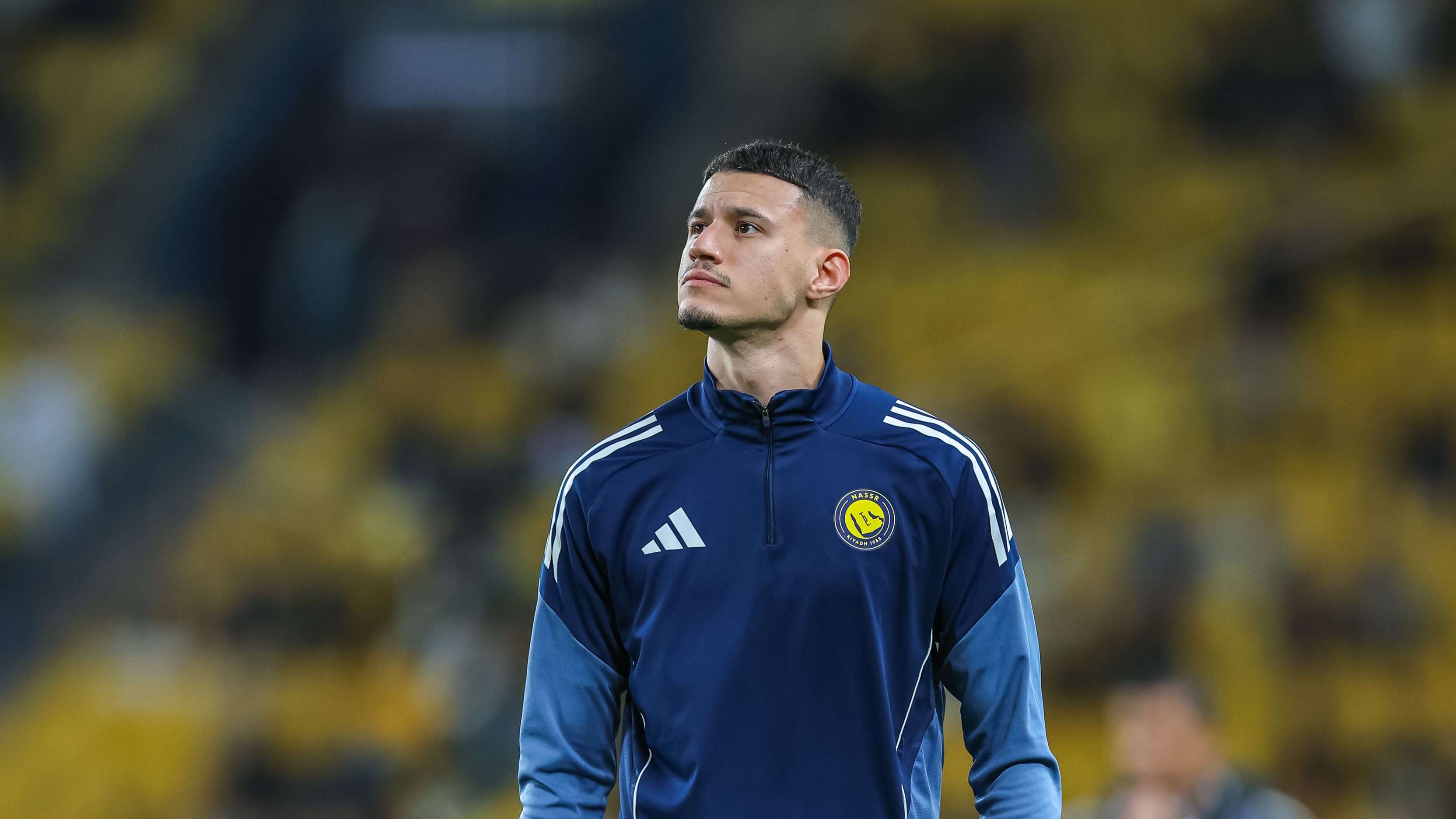
Al-Hamdan, a prominent striker for the Saudi national team, found himself at the center of a media storm following a lackluster performance during Saudi Arabia’s 1-0 victory over Kuwait at the Gulf 27 tournament. The match, held at Al-Inma Stadium, saw the player struggle to make an impactful contribution, prompting fans and critics alike to voice their disappointment. Such reactions are not uncommon in the high-stakes world of international football, where every touch and decision are scrutinized under the microscope of global attention.
While some fans expressed their frustrations on social media, others called for patience, emphasizing the importance of supporting players through their ups and downs. However, the intensity of criticism can sometimes transcend constructive feedback, becoming personal and damaging for the mental health of athletes.
Khalid Al-Shenaif’s Candid Perspective on Football Pressure
Amid this backdrop, Khalid Al-Shenaif, a respected figure within Saudi football media circles, delivered a thought-provoking message during a recent broadcast on the program “Dawrina Ghair”. His words resonated with many, as he addressed the broader issue of mental resilience in football and the unrealistic expectations placed on players.
“Whoever cannot withstand pressure should not play football,” Al-Shenaif stated firmly. “Let him play ice skating or squash, because football is full of pressures.” His candid remarks underscore a harsh reality: professional football is not just a sport but a battlefield of mental strength where resilience is as crucial as technical skill.
Financial Security Does Not Guarantee Immunity from Pressure
Al-Shenaif also highlighted the financial aspects of modern football, noting that many players earn substantial salaries—ranging from 10 to 15 million riyals annually. This financial security, he argues, should serve as motivation rather than a source of fear. “What does this player fear regarding his future life?” he questioned, emphasizing that players are well-compensated for the challenges they face.
Beyond the monetary benefits, the pressures extend into the emotional and psychological domains, with players often facing relentless media scrutiny, fan expectations, injuries, and personal issues. Al-Shenaif’s commentary aims to recalibrate the narrative, urging fans, media, and officials to understand the complex realities behind the game.
The Multifaceted Nature of Football Pressure
Al-Shenaif elaborated further, describing the various layers of pressure footballers endure:
- Intense training sessions and tactical demands from coaching staff
- Media scrutiny and public expectations
- Fan reactions, both supportive and critical
- Physical injuries and recovery processes
- Personal issues and family concerns that can distract or destabilize players
He emphasized that these challenges are not unique to Abdullah Al-Hamdan but are inherent to the professional football landscape globally. For aspiring and current players, mental toughness and resilience are essential tools to navigate these hurdles successfully.
The Prediction and Future of Saudi Football in the Gulf Cup
Looking ahead, Saudi Arabia’s national team faces a pivotal moment in the Gulf 27 tournament. Their recent victory over Kuwait has set a positive tone, but the team now turns its focus to their upcoming match against Oman. Scheduled at Al-Inma Stadium on Saturday, this fixture is more than just a game—it could determine their path to the semi-finals.
Analysts and football prediction experts suggest that a win for Saudi Arabia in this match would secure their semi-final spot, regardless of the outcome in their final group game against Iraq next Tuesday. This makes the upcoming fixture crucial, and the team will need to demonstrate resilience and tactical discipline to advance further in the tournament.
Implications for Football Development and Player Support
The discourse surrounding pressure and mental health in football has gained momentum worldwide, and Saudi football is no exception. As the sport continues to grow in popularity and professionalism, stakeholders—including clubs, federations, and media outlets—are increasingly aware of the need to support players holistically.
Implementing mental health programs, providing psychological counseling, and fostering a culture that emphasizes resilience over criticism are vital steps toward nurturing well-rounded athletes. Khalid Al-Shenaif’s comments serve as a wake-up call, reminding everyone involved that behind every goal and victory are human beings facing real challenges.
Conclusion: Embracing the Challenges of Modern Football
In conclusion, the recent debates sparked by Khalid Al-Shenaif’s remarks highlight a critical aspect of modern football—pressure management and mental resilience. As fans and media continue to predict success and scrutinize performances, it is essential to remember that footballers are not just performers; they are individuals navigating a complex web of expectations.
For Saudi football, the road ahead is promising, with tournaments like the Gulf Cup providing platforms to showcase talent and resilience. By fostering a supportive environment and understanding the psychological demands of the sport, the kingdom can elevate its football standards and produce players capable of thriving under pressure.
Ultimately, the prediction for Saudi football’s future hinges not only on tactical prowess but also on the strength of its players’ mental fortitude. As the nation rallies behind its team, let’s champion a culture that values resilience, support, and the human side of the beautiful game.