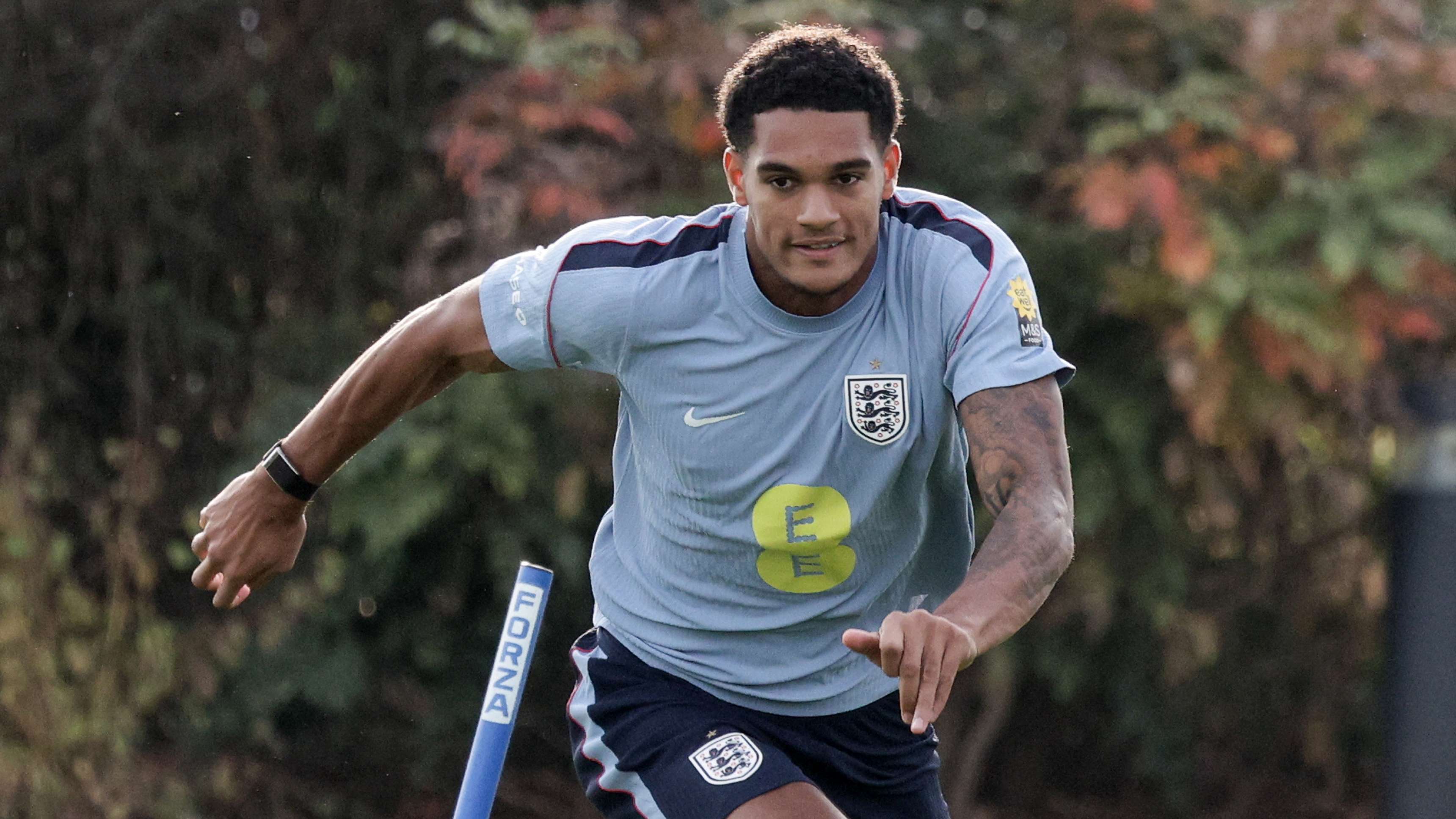

Austrian Teenage Sensation Ivanhoe Ndukwe Faces Work Permit Woes at Liverpool
A recent press report has revealed that Liverpool Football Club is facing a significant setback due to the implications of Brexit on the English transfer market. The aftermath of the referendum on Britain’s exit from the European Union in early 2020 has had far-reaching consequences, especially for young talents like Ivanhoe Ndukwe.
The Impact of Brexit on the Transfer Market
Following Brexit, players from European nations are now considered foreign players in the English Premier League, leading to a surge in their transfer prices. While the Premier League has attempted to streamline work permit procedures, the system remains imperfect. This has put players like Ivanhoe Ndukwe, born in Vienna in 2008, in a difficult position.
Rise of Ivanhoe Ndukwe
Ndukwe first caught the spotlight during the recent Under-17 World Cup, where he played a crucial role for the Austrian team. Despite narrowly losing to Portugal in the final, Ndukwe’s talent was evident as he showcased his skills on the international stage. His standout performances attracted the attention of Liverpool, who swiftly secured his services as a future prospect.
Work Permit Woes
However, due to the new regulations post-Brexit, Ndukwe faces challenges in obtaining a work permit to play for Liverpool. The stringent points-based system requires a minimum of 15 points, primarily rewarding players with experience in major leagues. Liverpool’s plan to loan out Ndukwe was disrupted when injuries forced him into action during pre-season, impressing both fans and teammates alike.
Ndukwe’s Potential at Liverpool
Standing at an imposing height of 1.98 meters, Ndukwe possesses the qualities of a potential successor to Liverpool’s defensive stalwart, Virgil van Dijk. His composure, aerial dominance, and ability to read the game have drawn comparisons to the Dutch star. Despite his young age, Ndukwe has shown maturity and skill beyond his years, earning praise from his teammates.
The Road Ahead for Ndukwe
While Liverpool aims to secure the necessary points for Ndukwe’s work permit, the club is also considering his long-term development. His agent sees the potential loan as a valuable opportunity for Ndukwe to gain experience and attract interest from other European clubs. Liverpool is keen on nurturing Ndukwe’s talent while ensuring his growth is not hampered by bureaucratic hurdles.
In conclusion, Ivanhoe Ndukwe’s journey at Liverpool highlights the complexities faced by young talents in the post-Brexit football landscape. As he navigates the challenges of work permits and loan moves, Ndukwe’s potential shines bright, offering hope for a successful future at one of the most prestigious clubs in English football.
The Uncertain Future of Young European Talents in the Premier League
With the implications of Brexit casting a shadow over the English transfer market, young talents from European countries like Ivanhoe Ndukwe are facing an uncertain future. The new regulations post-Brexit have made it challenging for clubs like Liverpool to secure work permits for promising prospects, hindering the development of these players in the Premier League.
While the Premier League has attempted to adapt to the changes brought about by Brexit, the process of obtaining work permits for young European players remains complex and arduous. The points-based system heavily favors players with experience in major leagues, making it difficult for talented youngsters like Ndukwe to fulfill the criteria required to play in England.
The Need for Predictive Analytics in Talent Evaluation
As clubs like Liverpool navigate the obstacles posed by work permit regulations, the use of predictive analytics in talent evaluation could prove to be invaluable. By leveraging data-driven insights and statistical models, clubs can identify players with the potential to succeed in the Premier League, mitigating the risks associated with signing young talents from European nations post-Brexit.
Predictive analytics can help clubs like Liverpool make informed decisions about which players to target for recruitment, taking into account factors such as performance metrics, playing style compatibility, and cultural fit. By incorporating data-driven approaches into their scouting and recruitment processes, clubs can optimize their chances of uncovering hidden gems like Ndukwe and nurturing their talent effectively.
The Evolution of Transfer Strategies in a Post-Brexit Landscape
As clubs adapt to the changing dynamics of the English transfer market post-Brexit, there is a growing emphasis on developing innovative transfer strategies to overcome the challenges posed by work permit restrictions. One approach that clubs are exploring is the establishment of partnerships with European clubs to facilitate the loan moves of young talents like Ndukwe, enabling them to gain valuable playing experience while meeting the criteria for work permits.
Furthermore, clubs are increasingly looking beyond traditional scouting methods and embracing technological advancements such as virtual scouting platforms and AI-driven talent identification tools. These tools enable clubs to cast a wider net in their search for promising young talents, expanding their recruitment reach beyond the constraints imposed by Brexit-related regulations.
Embracing Diversity and Inclusion in Football
Amidst the challenges posed by Brexit on the English transfer market, there is a growing recognition of the importance of diversity and inclusion in football. As clubs strive to navigate the complexities of work permit regulations and talent acquisition, promoting a diverse and inclusive environment becomes crucial in fostering a culture of innovation and excellence within the sport.
By embracing diversity and inclusion, clubs like Liverpool can harness the talent and potential of players from diverse backgrounds, creating a more inclusive and equitable playing field for young talents like Ndukwe. Through initiatives that promote diversity and celebrate the unique contributions of players from different cultures, clubs can enrich the fabric of English football and create opportunities for players to thrive despite the challenges posed by Brexit.
In conclusion, the journey of Ivanhoe Ndukwe at Liverpool underscores the need for innovative approaches to talent evaluation, transfer strategies, and diversity in the post-Brexit football landscape. As clubs continue to navigate the uncertainties of the English transfer market, embracing predictive analytics, technological advancements, and a culture of diversity and inclusion can pave the way for a brighter future for young European talents in the Premier League.