
Lothar Matthäus criticises Michael Olise after costly Champions League red card
Lothar Matthäus has strongly criticised Michael Olise after the Bayern Munich winger was sent off during a dramatic 3-3 Champions League draw against Norwegian side Viking. The former Germany captain called the incident “unacceptable,” arguing that Olise’s reaction to provocation let down both himself and his team at a crucial moment.
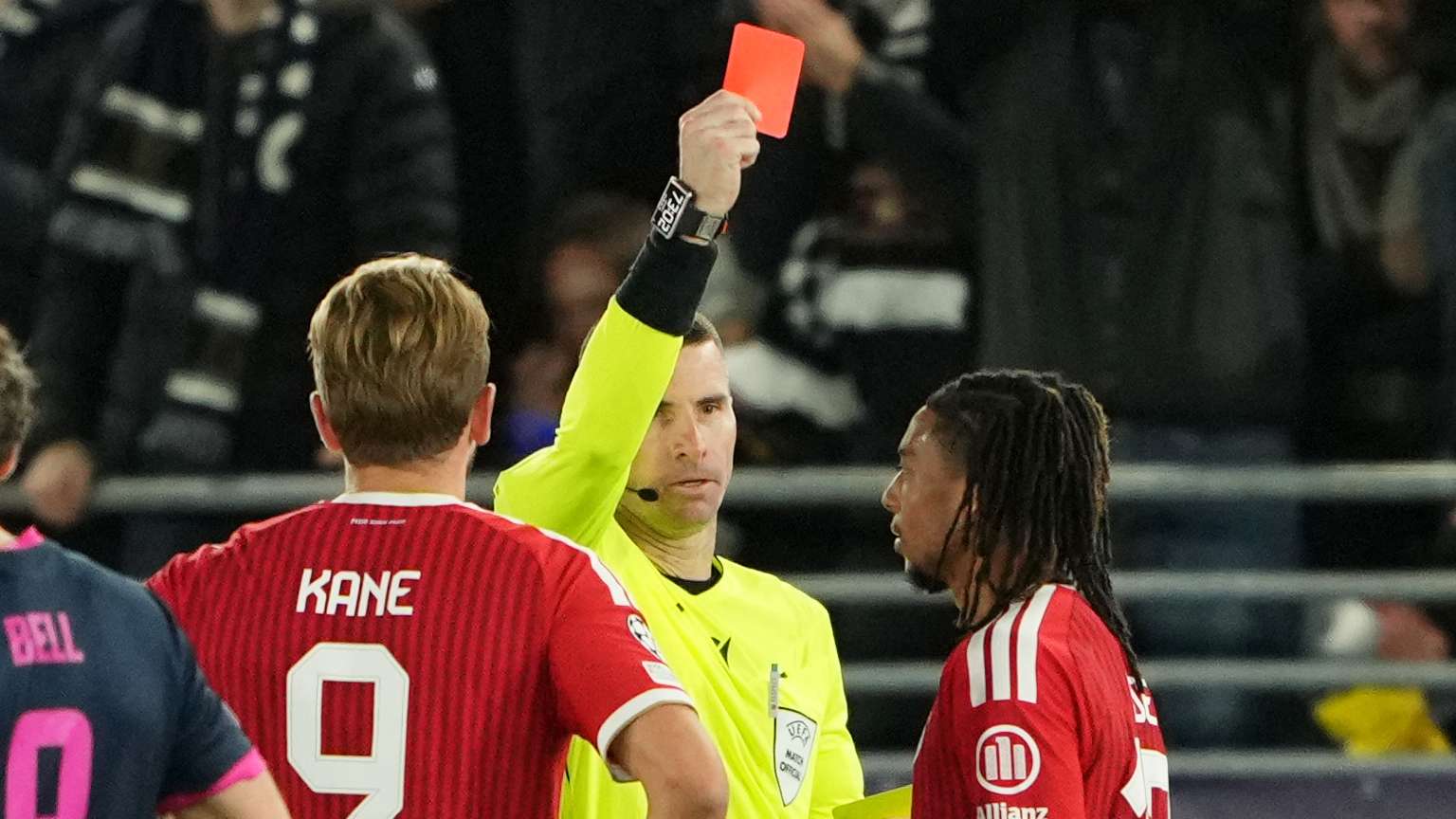
Olise had never received a red card during his career before the match. His dismissal came in the 74th minute, following a foul and a confrontation with Viking captain Zlatko Tripić. After appearing to be provoked, the Frenchman threw the ball into Tripić’s face, prompting the referee to send him off.
Bayern were left to finish the contest with ten players, and Viking took advantage of their numerical superiority. The hosts found a late equaliser in the 90th minute, turning what had looked like a valuable European win for Bayern into a frustrating draw. The result made Olise’s decision especially costly, with the incident shifting attention from Bayern’s performance to the winger’s discipline.
Matthäus: Olise was responsible for his reaction
Speaking to Bild, Matthäus did not soften his view of the incident. “This is unacceptable, even if the referee did not see it,” he said, focusing on Olise’s conduct rather than whether the officials had initially noticed the ball striking Tripić.
Matthäus acknowledged that opponents often target influential attacking players. Wingers who can create chances, beat defenders and change the rhythm of a match are likely to face close marking, physical challenges and attempts to unsettle them. Olise’s quality makes him an important figure in Bayern’s attack, but Matthäus believes that status also brings a responsibility to remain composed when opponents try to provoke him.
“Of course, they try to take a player like that out of the game by every possible means,” the former Bayern player explained. However, he rejected the idea that Tripić should be blamed for Olise’s response. “I maintain that Olise allowed himself to be provoked,” Matthäus added.
The distinction is important in elite football. Opponents may attempt to disrupt a player’s concentration, but a deliberate reaction can leave the referee with little choice. In a high-pressure Champions League match, a moment of frustration can quickly become a major tactical setback—especially when it results in a dismissal.
A turning point in the match—and a lesson for Bayern
Matthäus’s main concern was not only the red card itself but the impact it had on Bayern. “In the end, he did not only hurt himself, he harmed the team above all else,” he said. Once Bayern were reduced to ten men, they had less freedom to press and attack, while Viking could commit more players forward in search of an equaliser.
The late goal underlined how quickly a match can change after a sending-off. Bayern had to adjust their shape, protect their lead and manage the closing stages with fewer players available. Viking, meanwhile, gained space and momentum. Although the 3-3 scoreline reflected a lively contest, the timing of the equaliser ensured that Olise’s red card became one of the defining moments of the night.
For Bayern, the draw will prompt questions about game management as well as discipline. Teams competing in Europe need to handle not only technical and tactical challenges but also the emotional swings that come with hostile atmospheres and intense individual battles. Maintaining composure can be just as valuable as producing a decisive pass or finish.
No fine needed, says the former Bayern star
Despite his blunt criticism, Matthäus does not believe Bayern should impose a financial punishment on Olise. He sees the incident as a learning experience for a young player adapting to the pressure and scrutiny that come with playing for one of Europe’s biggest clubs.
“It is a learning process that any young player has to go through,” Matthäus said, adding that Olise had already been punished enough and would understand his mistake. His comments suggest that accountability does not necessarily require an additional fine. The red card, the lost opportunity to help his side and the criticism that followed may be sufficient consequences.
That approach could also help Bayern avoid turning one poor decision into a prolonged disciplinary dispute. The more important response will be how Olise handles similar situations in future matches. If opponents continue to use physical pressure or verbal provocation, the winger will need to show that he can stay focused and let his football provide the answer.
What the incident means for Olise’s next challenge
Olise’s dismissal is a setback, but it does not erase his value to Bayern. His attacking ability remains an important part of the club’s plans, and the incident may prove to be a formative moment rather than a lasting problem. The challenge is to turn Matthäus’s criticism into practical improvement: recognise provocation, avoid retaliation and keep the team’s needs in view.
For supporters assessing Bayern’s next fixtures, the episode adds another factor to consider alongside form, fitness and tactics. A player’s availability after a red card can affect selection, while the team may also need to adjust its attacking balance depending on who is available. Any informed football prediction should account for such details rather than looking only at recent scores or individual statistics.
Ultimately, the Viking draw offered a clear reminder of how fine the margins can be in European competition. Bayern were close to leaving with a win, but one moment of lost control changed the closing stages and helped the Norwegian side claim a point. Matthäus’s message is direct: talented players will be targeted, but they must not allow opponents to dictate their behaviour. For Olise, the next step is to show that he has learned from a costly night.