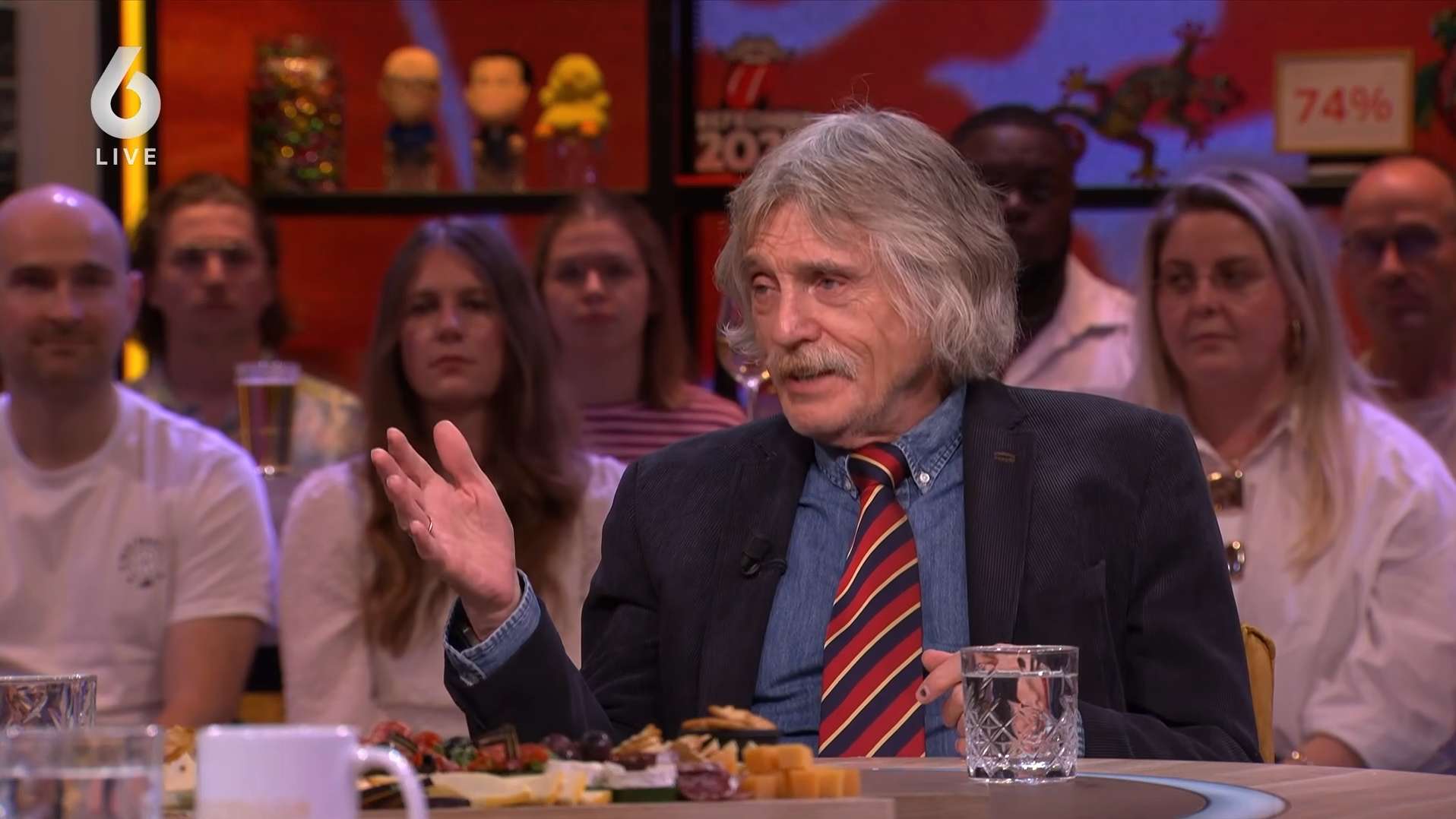

Johan Derksen criticises Dusan Tadic after remarks about NEC team-mates
Former Netherlands international Dusan Tadic has come under fire after suggesting that playing alongside less technically capable team-mates can make it difficult for him to influence a match. His comments have drawn a sharp response from Dutch football analyst Johan Derksen, who questioned both the Serbian forward’s attitude and the value of his high-profile move to NEC Nijmegen.
Tadic, 37, made the remarks in an interview with NU.nl last week. He said he often tries to make intelligent runs or set up attacking moves but does not receive the ball, or is unable to get it back when he passes. “Apparently my brain works too quickly,” he added, describing the challenge of adjusting to teammates who may not anticipate his decisions.
Those comments were interpreted by Derksen as a public slight against NEC’s players. Speaking on Groeten uit Grolloo, the outspoken pundit argued that Tadic should have considered the club’s level and ambitions before joining. His criticism has added a fresh talking point around NEC’s season: whether the experienced attacker can turn his reputation into consistent performances and help the team meet its goals.
Derksen says Tadic should have understood NEC’s position
Derksen suggested that Tadic’s arrival was made possible in part by NEC owner Marcel Boekhoorn’s enthusiasm for signing an internationally recognised name. In the analyst’s view, that opportunity should have been met with appreciation rather than comments that could be seen as dismissive of the squad.
“He should count his blessings that Marcel Boekhoorn liked the idea of bringing in a big name,” Derksen said. He also questioned whether Tadic’s recent performances justify the status he continues to project, arguing that the forward has looked like an ageing player and was no longer able to deliver the same level at Ajax.
Derksen went further, suggesting that Tadic’s comments might be connected to the prospect of facing his former club. He accused the Serbian of trying to curry favour with Ajax by presenting himself as someone accustomed to playing for trophy-chasing sides, while casting NEC as a step down. That interpretation is Derksen’s opinion, rather than an established explanation for Tadic’s remarks, but it has intensified debate about the player’s intentions.
“Then you shouldn’t have signed for NEC”
Derksen’s bluntest response was directed at Tadic’s decision to join Nijmegen. If the forward expects to play with teammates who share his experience and understanding of the game, Derksen argued, he should have chosen a club with a different profile. “Then you shouldn’t have signed for NEC, lad,” he said.
The analyst also rejected Tadic’s suggestion that his words had been taken out of context. According to Derksen, the interview had been checked and the remarks were reported accurately. He therefore accused the player of making an unconvincing attempt to walk back the controversy. Tadic’s original comments, however, can also be read as frustration about footballing chemistry and decision-making rather than a wholesale condemnation of his team-mates.
That distinction matters. Footballers regularly speak about timing, movement and the difficulty of building understanding within a new squad. But when a senior signing publicly says that his thinking is faster than that of the players around him, the phrasing can easily sound condescending—particularly to supporters who expect a marquee arrival to strengthen team unity.
Questions over Tadic’s role and NEC’s expectations
Derksen predicts that Tadic could lose his place in NEC’s starting line-up as the season progresses. He believes the forward still speaks with the confidence of a star player, while his current performances may not be matching that image. At 37, Tadic also faces the practical challenge of maintaining his influence across a demanding campaign, where fitness, pace and recovery can become as important as technical quality.
That does not mean experience has no value. Tadic has played at a high level and brings a record of leadership, creativity and big-match exposure. NEC may have expected him to provide more than goals and assists: his presence could help younger players, raise standards in training and offer composure in tight matches. Whether those benefits outweigh any limitations will depend on his contribution on the pitch and the way he fits into the team’s playing style.
Derksen believes Boekhoorn may be paying Tadic a substantial salary because the signing carried prestige. He doubts, however, that the forward will meet the expectations attached to the move, predicting that NEC will not “win the war” with Tadic in the team. The remark captures the central question surrounding the transfer: is Tadic a decisive addition capable of lifting NEC, or a famous name whose reputation is now running ahead of his performances?
What happens next for the Serbian forward?
The coming fixtures will offer a clearer test than the media debate. NEC’s coaches will have to decide how best to use Tadic’s vision and experience while ensuring the rest of the team can play with confidence around him. If the forward creates chances, contributes directly to results and develops a stronger understanding with his teammates, the controversy may quickly fade. If the partnership fails to click, Derksen’s prediction about Tadic’s place in the starting eleven could gain traction.
For now, the episode is a reminder that high-profile signings bring high expectations—and that public comments can shape a club’s atmosphere as much as performances do. Tadic’s remarks have sparked criticism, but the most meaningful judgement will come through NEC’s results. Any prediction about his long-term impact remains uncertain until he demonstrates that his footballing intelligence can translate into effective cooperation on the pitch.