
PSG Punish Manchester City on the Counter in 4-2 Champions League Win
Paris Saint-Germain delivered a striking lesson in counter-attacking football, beating Manchester City 4-2 at the Etihad Stadium after racing into a commanding first-half lead. City enjoyed more of the ball and pushed hard to recover after the break, but PSG’s pace, precision and defensive discipline proved decisive.
The result underlined the progress PSG have made under Luis Enrique. Rather than trying to match City possession for possession, the visitors stayed compact, waited for opportunities and attacked quickly when space opened up. Their approach helped them claim a valuable Champions League victory and strengthen their position near the top of the league-phase standings, with two wins from their opening two matches.
A devastating first-half display
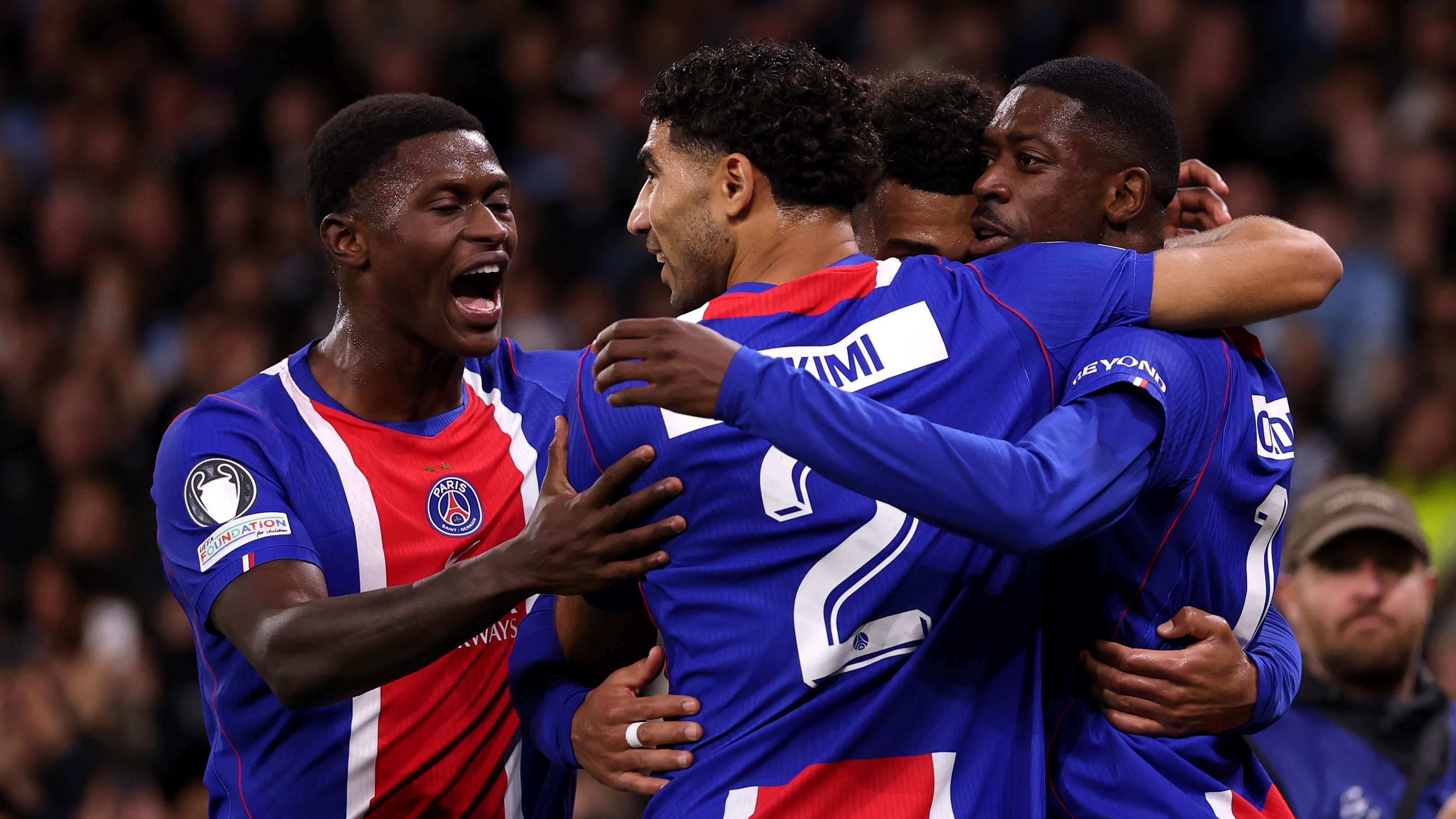
PSG set the tone by exploiting the space behind City’s high defensive line. When the hosts lost possession, the French side moved the ball forward rapidly, turning defensive recoveries into dangerous attacks before City could reorganise. The visitors’ first-half surge silenced the Etihad crowd and gave them a three-goal advantage by the interval.
That cushion reflected more than clinical finishing. PSG’s forwards made sharp runs into open channels, while their midfielders were quick to identify where City’s press had left room to counter. The visitors did not need to dominate possession to control the most threatening moments of the match.
City, by contrast, struggled to balance their attacking ambition with defensive security. Their high line can help compress the pitch and sustain pressure, but it also creates space for fast opponents to exploit. PSG repeatedly found that space, forcing the home side to retreat and defend at speed.
City fight back, but PSG keep their composure
Manchester City responded after the break with greater urgency and sustained pressure. They recorded 54% possession and pushed PSG deeper, looking to turn territorial control into a comeback. Erling Haaland gave the hosts renewed hope with two goals, demonstrating why he remains one of the most dangerous finishers in European football.
Yet PSG did not lose their shape when City began to threaten. The visitors defended with commitment, making 26 clearances and 12 interceptions to disrupt attacks and protect their lead. Those numbers illustrate how much work was required to withstand City’s second-half push, but also how effectively PSG defended their penalty area and cut off passing lanes.
Just as City appeared to be building momentum, PSG found a way to score at crucial moments. Their fourth goal restored a decisive margin and prevented the hosts’ pressure from changing the match’s direction. It was a reminder that counter-attacking football is not only about speed: timing, decision-making and composure in front of goal matter just as much.
Efficiency makes the difference
The statistics capture the contrast between the teams. City had more possession, but PSG were more ruthless with their opportunities, scoring four times from nine shots on target. The Parisians converted their best openings and made their attacking moments count, while City’s greater share of the ball did not consistently translate into clear chances.
That efficiency will encourage PSG supporters, particularly in a competition where small details can decide a group-stage position or a knockout tie. A team does not have to control every phase to win at the highest level; it must recognise when to press, when to defend and when to attack the space left behind.
What the result means for PSG and City
For PSG, the victory offers an important confidence boost and a sign of growing maturity in Europe. Luis Enrique’s side showed they can adapt their style to the opponent rather than relying on possession alone. Their compact defensive block, rapid transitions and clinical finishing combined to produce a performance that was both disciplined and dangerous.
There is still room for improvement. Allowing Haaland to score twice and giving City enough second-half momentum to threaten a comeback will give PSG’s coaching staff plenty to review. Against elite opposition, defending a lead requires more than clearing the ball; teams must also retain possession at key moments and relieve pressure through controlled attacks.
City, meanwhile, will be left to consider how to protect their back line when committing players forward. Their ability to dominate possession and create pressure remains a major strength, but this match showed the risks of leaving space behind the defence against quick, technically gifted attackers. Better rest defence—the positioning of players to guard against counter-attacks—could be vital in future Champions League fixtures.
Football prediction: what comes next?
This result makes PSG a more compelling contender, but one impressive away win should not be treated as a guarantee of future success. The Champions League demands consistency, and PSG will need to reproduce their defensive concentration and attacking precision against different styles of opposition. If they continue to combine Enrique’s tactical flexibility with efficient finishing, they could become a serious threat in the latter stages.
For City, the defeat is a setback rather than a verdict on their campaign. Their second-half response showed that they can create pressure and keep fighting, while Haaland’s brace offered a reminder of their scoring power. The key question is whether they can reduce the defensive gaps that PSG exploited so effectively.
Ultimately, the Etihad clash was a compelling example of how contrasting approaches can shape a major football match. City controlled more of the ball; PSG controlled the decisive moments. By attacking with speed, defending in numbers and finishing with conviction, the visitors turned a difficult away fixture into a statement victory—and gave fans plenty to consider when making their next Champions League prediction.