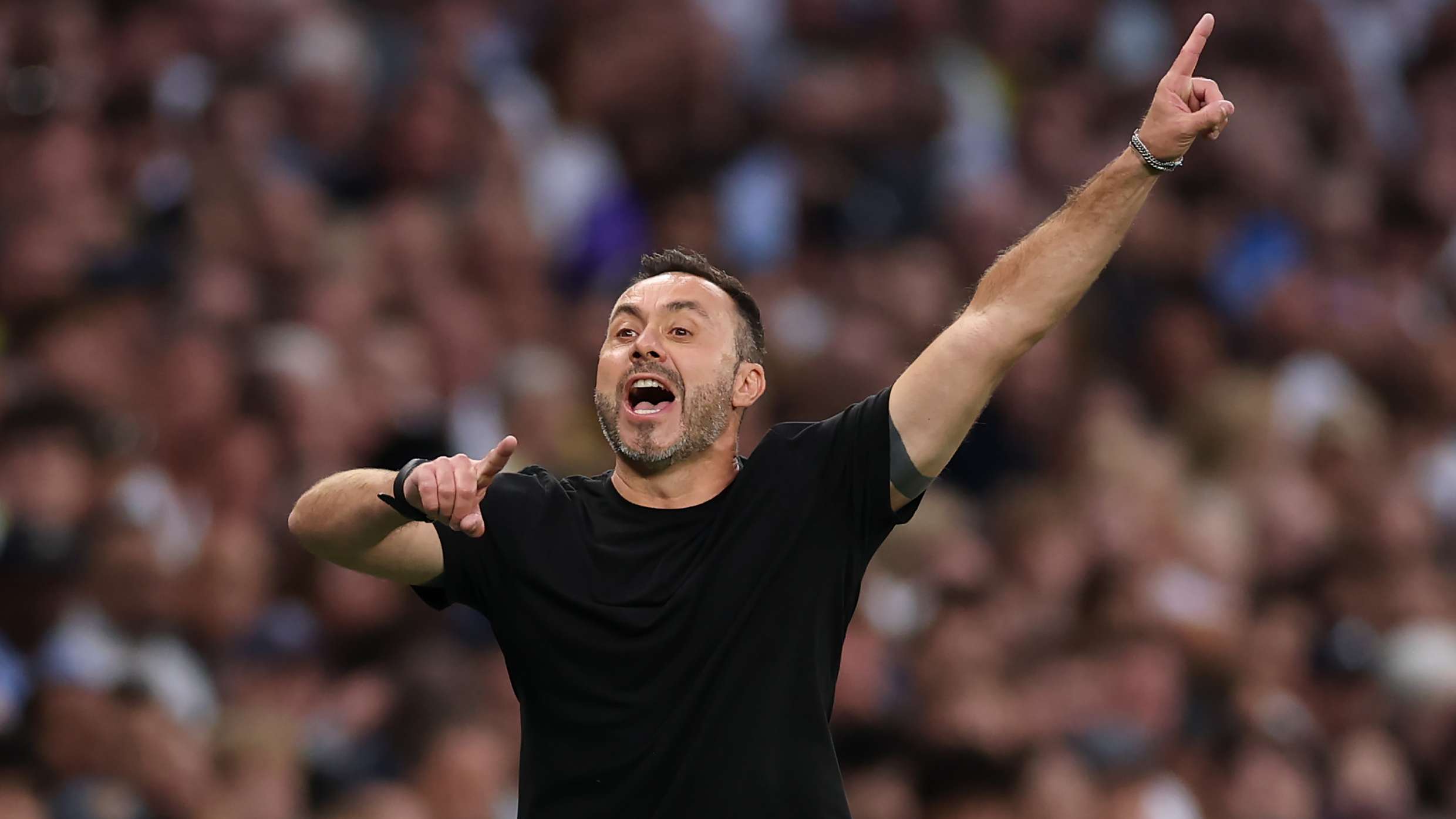

Tottenham Turn to Spain as Roberto De Zerbi Faces Early Premier League Crisis
Tottenham Hotspur are preparing for a hastily arranged trip to Spain as Roberto De Zerbi looks for a way to steady a season that has begun to unravel. The North London club are bottom of the Premier League after failing to win any of their first five domestic matches, leaving the new manager with an urgent challenge: restore confidence, improve results and reconnect the team with its supporters.
The trip is being viewed as an opportunity to step away from the pressure surrounding the club and concentrate on the work required on the training ground. A change of setting cannot solve Tottenham’s problems by itself, but it may offer De Zerbi and his squad a quieter environment in which to assess their performances, strengthen relationships and prepare for the demanding weeks ahead.
Why Tottenham Need a Reset
Five matches without a victory is a worrying start for any Premier League side, but the position becomes more serious when it leaves a club at the bottom of the table. Early-season standings can change quickly, and a small number of results can dramatically reshape the picture. Even so, Tottenham cannot afford to treat their opening run as an insignificant blip. Each dropped point increases scrutiny and makes the next fixture feel more consequential.
For De Zerbi, the immediate task is to identify why the team has struggled to turn its performances into wins. That assessment will likely cover several areas: the balance between attack and defence, the quality of possession, the speed of transitions and the players’ response when matches become difficult. The manager must also determine whether the problems are primarily tactical, physical or psychological—or a combination of all three.
When a side is short on confidence, setbacks can become self-reinforcing. A missed chance may lead to hesitation in the next attack; a defensive error can make players retreat deeper; and a disappointing result can increase anxiety before the following match has even begun. Breaking that cycle will require clear communication and practical improvements, not just motivational messages.
What De Zerbi May Look to Change
De Zerbi is known for wanting his teams to play with composure, move the ball purposefully and draw opponents out of position. Those principles can be demanding, particularly when players are still adapting to a manager’s expectations. Tottenham’s training period in Spain could therefore be valuable if it gives the squad time to rehearse patterns of play and build a shared understanding of when to keep possession and when to attack quickly.
One possible priority is improving the team’s structure during transitions. A side that commits players forward needs sufficient cover behind the ball, while a team that loses possession must react immediately to prevent opponents from exploiting open spaces. Small adjustments to positioning and timing can make a significant difference, especially in a league where opponents are quick to punish mistakes.
De Zerbi will also need to find the right balance between control and urgency. Patient build-up can help Tottenham dictate matches, but possession is only useful when it creates pressure, territory or clear chances. If attacks become predictable, the opposition can settle into a defensive shape and force Spurs to take risks. More movement between the lines, quicker combinations and sharper decisions in the final third could help turn possession into meaningful opportunities.
The Importance of Confidence and Squad Unity
The Spanish trip is not solely about tactics. A team’s response to a poor run often depends on how players handle pressure together. Training away from the usual routine may give the squad time to reconnect, discuss what is not working and establish a stronger sense of collective responsibility. That can be particularly important when results have placed individual performances under the spotlight.
Senior players may have a key role in setting standards, while younger members of the squad will need support as they navigate the demands of a difficult start. De Zerbi’s challenge is to maintain high expectations without allowing frustration to become a distraction. Players must understand their responsibilities, but they also need the confidence to make decisions and play with purpose.
Supporters, meanwhile, will be looking for signs of progress as well as points. A more organised defensive display, improved energy or a clearer attacking plan may not immediately transform the league table, but they can provide evidence that the team is moving in the right direction. Ultimately, however, Tottenham’s position means performances must soon be matched by results.
What the Upcoming Fixtures Could Mean
The next run of matches will provide an important test of whether the reset has had an effect. Tottenham need to approach each game with a practical plan, rather than relying on the idea that confidence will return automatically. That means managing difficult spells, making better use of promising attacks and avoiding the individual errors that can undermine otherwise solid performances.
There is no reliable football prediction that can guarantee how quickly a struggling team will recover. Early-season form can be misleading, and one victory can change the mood around a club almost overnight. Yet a turnaround is more likely if Tottenham show consistent improvement across several areas instead of depending on a single moment of quality. Better organisation, greater intensity and more clinical finishing would give De Zerbi a foundation on which to build.
The manager will also have to make careful decisions about selection. Competition for places can raise performance levels, but frequent changes may make it harder for players to develop understanding. Finding a dependable core—while still responding to form and fitness—could help Tottenham become more settled as the campaign progresses.
A Crucial Opportunity to Change the Story
Tottenham’s emergency journey to Spain reflects the urgency of the situation, but it should not be mistaken for a quick fix. The club’s immediate objective is to interrupt a damaging run and climb away from the bottom of the Premier League table. Achieving that will require a combination of tactical clarity, resilience and improved execution on matchday.
De Zerbi now has a chance to use the break in routine to make his expectations unmistakable. If the players return with sharper coordination and renewed belief, the trip could become an early turning point in the season. If not, pressure will intensify, and every subsequent result will carry greater weight.
For Tottenham supporters, the central question is no longer simply whether the team can produce attractive football. It is whether the squad can translate its potential into disciplined, effective performances when the stakes are high. The journey to Spain offers time to work on that challenge—but the clearest answer will come when Spurs return to the pitch.