
Lionel Messi Celebrated as a Model of Sporting and Human Values
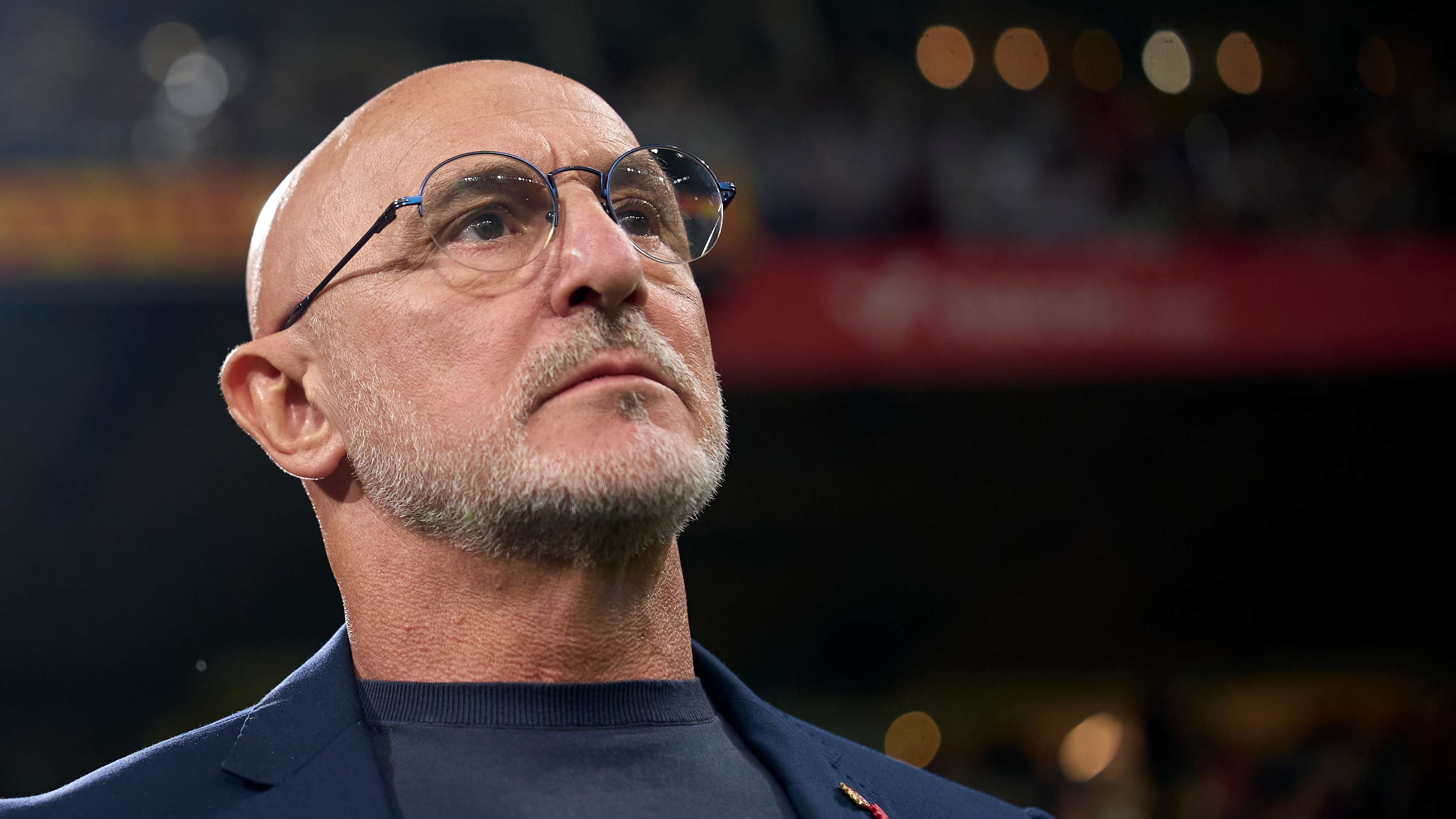
Spain coach Luis de la Fuente has praised Lionel Messi as an exceptional figure whose influence reaches far beyond his achievements on the football pitch. Speaking in Oviedo as the Argentina captain received the 2026 Princess of Asturias Award for Sport, De la Fuente described Messi as a role model in both sport and life.
The award recognises Messi’s extraordinary career and his lasting contribution to football. Across decades at the highest level, the forward has collected major team and individual honours, while inspiring supporters and players around the world. De la Fuente said that recognising a figure of Messi’s stature was significant not only for sport, but for the wider community.
De la Fuente praises Messi’s lasting legacy
Addressing the media in Oviedo, De la Fuente spoke of the honour of attending an event with international importance. He noted that the city had become a focus of attention across several fields, with the ceremony bringing together sport, culture and public life.
“It is an honour for me to be present at this important event on a global level,” De la Fuente said. He added that Oviedo’s role as the centre of such an occasion was a source of pride for Spain.
The Spain manager then turned to Messi’s legacy, calling it exceptional in the history of both sport and football. In his view, the Argentine’s achievements are only part of what makes him worthy of recognition. De la Fuente also highlighted the values Messi represents, including professionalism, perseverance and respect—qualities that can resonate with young athletes as much as his success does.
That distinction is important in modern football, where public attention often focuses on statistics, trophies and individual awards. Messi’s career has been measured by all of those markers, but his broader influence is also reflected in the generations of players who have grown up watching him. The Princess of Asturias Award provides an opportunity to recognise that wider impact.
Could a Spanish football icon receive the award?
Messi’s honour also prompted discussion about whether a Spanish football figure could receive similar recognition in the future. De la Fuente was asked about the possibility, with former Spain internationals Iker Casillas and Xavi Hernández among the country’s football names previously associated with the award in 2012.
Rather than predicting who might be selected, De la Fuente said the decision would rest with the people responsible for assessing the candidates. He noted that Spain has produced many influential footballers and that the country’s sporting history includes numerous figures whose achievements could merit consideration.
“Those responsible for taking such decisions will certainly assess these details,” he said, pointing to the depth of talent in Spanish football. If the award committee decided that a Spanish player was an appropriate recipient, De la Fuente added, it would be a wonderful moment for the sport in Spain.
His comments reflect the country’s strong football tradition, built through successful club sides and national teams. Spain’s international achievements have helped shape its reputation, while players from different eras have contributed to the game through their performances, leadership and influence. Any future award would depend on the committee’s criteria, but De la Fuente’s remarks underline the pride Spanish football takes in its leading figures.
Ballon d’Or prediction: De la Fuente backs Spanish contenders
The conversation also moved to the Ballon d’Or, one of football’s most closely followed individual honours. De la Fuente declined to identify his preferred candidates, but made his personal position clear: he would be delighted to see a Spanish player win. Lamine Yamal is among the names discussed in connection with the award, reflecting the rise of a new generation of Spanish talent.
Asked whether Messi would be his choice, De la Fuente responded emphatically that he would always be happy when a Spanish player claimed the prize. His answer was not a dismissal of Messi’s achievements. Instead, it showed the natural loyalty of a national-team coach who hopes to see Spanish players recognised on the global stage.
Any Ballon d’Or prediction remains uncertain, as voters weigh individual performances, team success and a player’s influence over the season. Young stars such as Yamal face competition from established international names, and the eventual outcome will depend on how the campaign unfolds. De la Fuente’s comments nevertheless highlight the excitement surrounding Spain’s emerging generation.
A new generation builds on Spain’s success
De la Fuente also expressed confidence in the potential of Spain’s current players, describing the generation as one that has already achieved major success. He said it would be an honour for Spanish football if its players received important individual awards in the years ahead, provided those making the decisions considered them deserving.
That optimism comes as Spain continues to balance the experience of established players with the energy of younger prospects. Recognition at individual awards can add to a team’s profile, but De la Fuente’s broader message was about collective achievement: personal honours are most meaningful when they reflect the quality and progress of football as a whole.
Messi’s Princess of Asturias Award and the discussion around Spanish candidates therefore represent two sides of the same story. One celebrates a career that has left a profound mark on world football; the other looks ahead to the players who may shape the sport’s next chapter. For De la Fuente, both are reasons to value football’s ability to inspire, unite and reward excellence.