
Pau Cubarsí Wins the Golden Boy Award, Extending Barcelona’s Youth Success
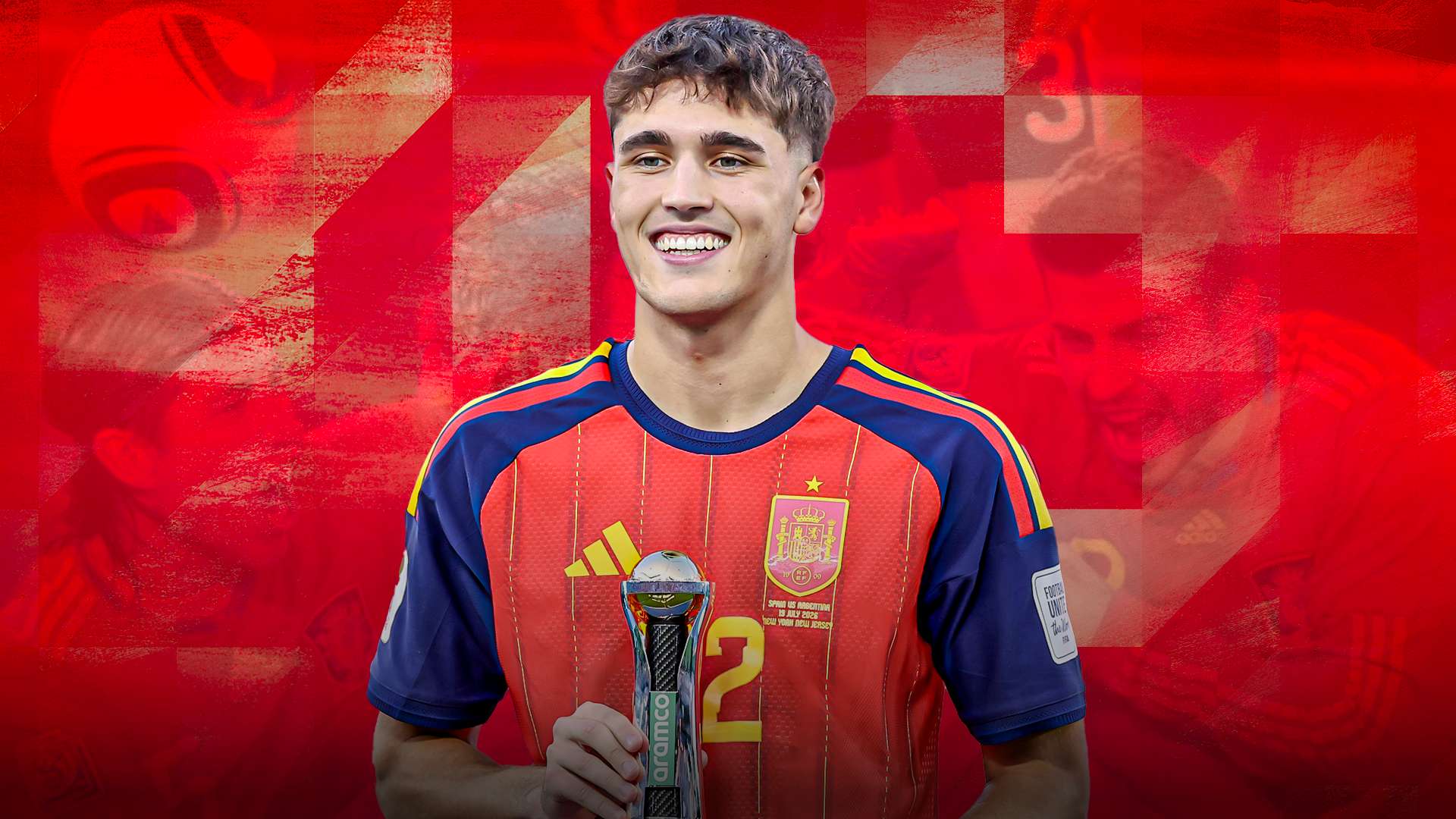
Barcelona defender Pau Cubarsí has been named the winner of the Golden Boy award, one of European football’s most prominent individual honours for young players. The prize recognises the best under-21 footballer competing in Europe and adds another milestone to the rapid rise of a centre-back who has become a key figure for club and country.
Cubarsí’s achievement reinforces Barcelona’s reputation as a club willing to trust emerging talent at the highest level. His success follows a wider pattern that includes Lamine Yamal, Pedri and Gavi: young players who have moved from the academy pathway into important first-team roles. For supporters, the award is not only recognition of one defender’s progress but also a sign of the value Barcelona continues to place on developing its next generation.
Why Cubarsí’s Golden Boy win matters
The Golden Boy award is designed to highlight exceptional young talent, but winning it as a defender carries particular significance. Attacking players often attract attention through goals, assists and eye-catching dribbles. Centre-backs are judged through a different set of qualities: positioning, concentration, timing, composure and the ability to make sound decisions under pressure.
Cubarsí has drawn notice for the calmness he brings to the heart of the defence. Rather than relying only on physical strength, he has shown an ability to read developing attacks, anticipate danger and help Barcelona build possession from the back. Those skills are especially valuable in a team that wants its defenders to contribute to the first phase of its football, not simply clear the ball away.
His award also reflects how quickly he has adapted to senior competition. Breaking into a first team is challenging for any teenager, but doing so at a club with Barcelona’s expectations brings additional scrutiny. Every mistake can be replayed and analysed, while every strong performance is measured against a demanding standard. Cubarsí’s progress suggests he has handled that pressure with maturity beyond his years.
Barcelona’s continued faith in young footballers
Barcelona’s latest Golden Boy success fits into a long-standing identity built around technical football and youth development. The club’s academy has produced generations of players, while recent seasons have again shown that young footballers can earn meaningful opportunities when they are ready. Cubarsí’s rise sits alongside the emergence of Lamine Yamal, Pedri and Gavi, each of whom has become an important part of the team’s plans.
That approach is not simply about giving teenagers minutes for the sake of it. Young players must still demonstrate that they can meet the tactical and competitive demands of senior football. When a club combines opportunity with careful coaching, experienced teammates and a clear playing philosophy, prospects can develop more quickly and contribute in substantial roles.
For Barcelona, the benefits are both sporting and strategic. Homegrown players can strengthen the team’s connection with its supporters, while their development may reduce the need to recruit in every position. However, youth development also requires patience. A promising season does not guarantee a smooth career, and players still need time to improve physically, tactically and emotionally.
A modern defender suited to Barcelona’s style
One reason Cubarsí has attracted attention is the way his qualities fit Barcelona’s preferred approach. A defender in a possession-focused side must be comfortable receiving the ball with opponents closing in. He needs to identify safe passing options, recognise when to break a line and remain alert to the space left behind the defensive unit.
These responsibilities make the modern centre-back role more complex than simply winning aerial duels or making last-ditch tackles. Cubarsí’s composure in possession has helped him become a useful outlet when Barcelona are pressed. His reading of the game also allows him to intervene before an opponent reaches a dangerous position, an important skill for a side that may defend with space behind its back line.
There are still areas every young defender must continue to develop. Senior forwards can test a teenager’s strength, movement and decision-making in different ways, and the demands of a long season can be difficult to manage. Maintaining consistency, building experience against varied opponents and avoiding the burden of unrealistic expectations will all matter as Cubarsí’s career progresses.
What the award could mean for Barcelona’s future
The Golden Boy honour does not guarantee future trophies or a permanent place in the starting line-up, but it does confirm that Cubarsí’s performances have made a strong impression across European football. It may also increase attention from opponents, media and supporters. The next stage will be turning recognition into sustained excellence over multiple seasons.
Barcelona’s challenge is to support that development without asking one young player to solve every defensive problem. A balanced squad, clear coaching and sensible management of playing time can help protect a talented footballer from excessive pressure. The club will also need to keep building a defence that combines youthful energy with experience, allowing prospects to learn while competing for major honours.
For fans following the season, Cubarsí’s progress is likely to remain a major talking point. Match previews and football prediction discussions may focus on whether Barcelona can turn their young talent into consistent results, particularly in demanding league fixtures. Yet predictions can only offer a snapshot: the most important measure will be how the team performs across a full campaign and how its emerging players respond to setbacks.
A landmark moment for Cubarsí and Barcelona
Pau Cubarsí’s Golden Boy win is a personal achievement and a powerful endorsement of Barcelona’s commitment to youth. It recognises a defender who has made an impression through composure, intelligence and an ability to contribute to a demanding style of football. Just as importantly, it highlights a club culture in which young players can earn responsibility rather than wait indefinitely for their opportunity.
The award marks a significant chapter, not the end of Cubarsí’s journey. His continued growth will depend on steady performances, strong coaching and the ability to handle the expectations that come with being one of Europe’s most celebrated young footballers. If Barcelona can give him the right environment to develop, his success could become part of an even broader story about the club’s next generation.