
Saudi Arabia’s Football Squad Under Fire: Fans’ Surprise and Expectations Ahead of the Gulf Cup
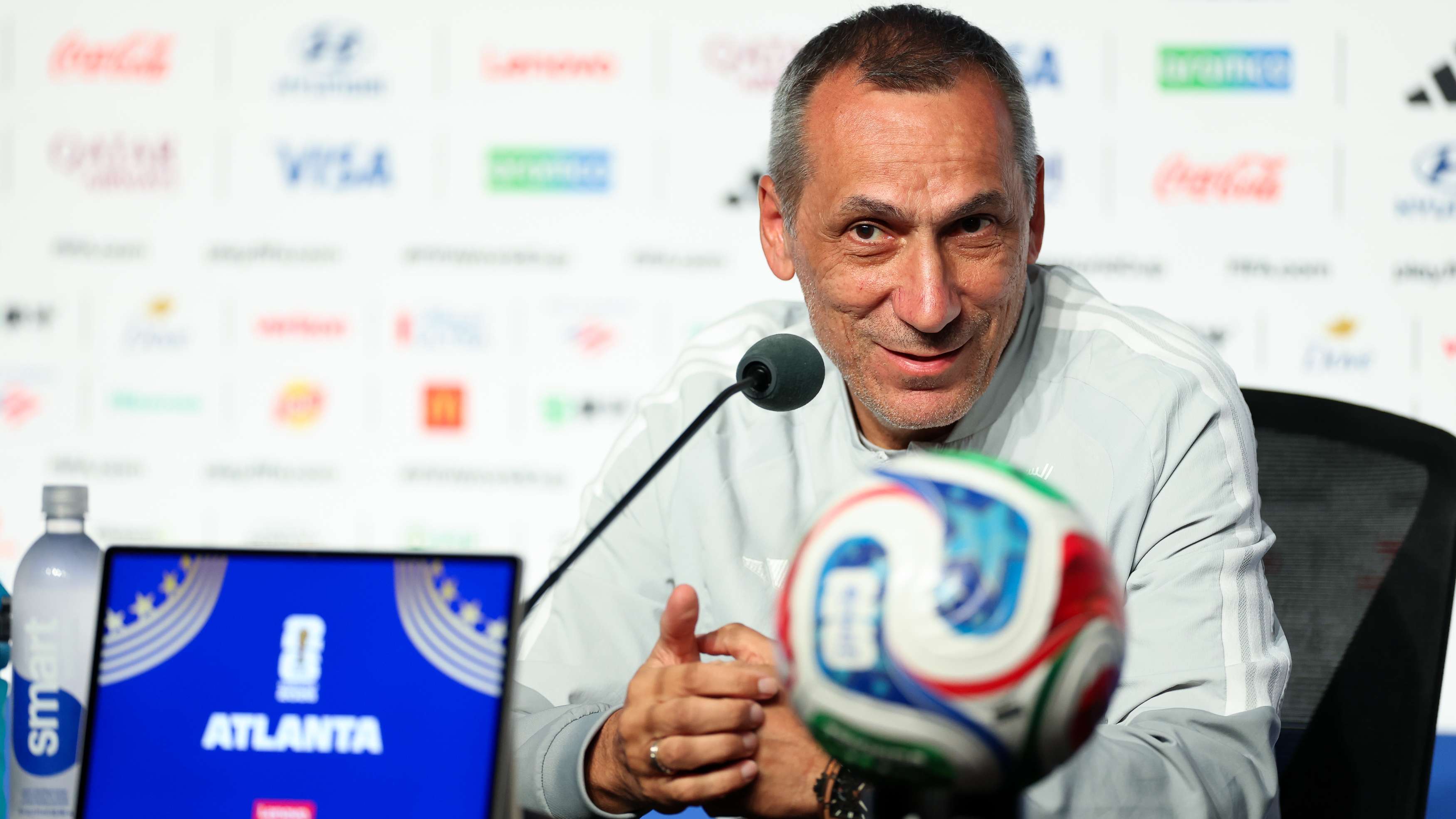
As the eagerly anticipated Gulf Cup approaches, the Saudi Arabian national football team finds itself at the center of intense scrutiny and debate. The selection of the squad by head coach Georgios Donis has sparked a wave of criticism from passionate fans, who had hoped for a fresh and promising campaign. This tension underscores the broader challenges facing the team as they prepare to compete on regional and continental stages. In this comprehensive analysis, we delve into the prediction of the team’s potential, the critical voices from supporters, and the implications of Donis’s choices for Saudi football’s future.
Pre-Tournament Criticism: Fans’ Immediate Reaction to Squad Selection
Before a single kickoff, the atmosphere surrounding Saudi Arabia’s football squad was already tense. Fans took to social media platforms, notably X (formerly Twitter), to voice their disappointment and skepticism regarding the team’s lineup. Their concerns weren’t merely about individual players but also about the overall strategy and direction that coach Georgios Donis seemed to be pursuing.
Many supporters argued that the squad lacked the necessary depth and quality to make a significant impact in the Gulf Cup. They questioned whether Donis’s choices truly reflected the current form and capabilities of the players, especially those performing well in the domestic Roshn League. This preemptive critique transformed the squad announcement into a battleground of predictions, hopes, and fears about the team’s prospects in the upcoming tournament.
Key Controversies: Exclusions that Spark Debate
Among the most contentious issues was the omission of certain standout players. Notably, fans expressed frustration over the exclusion of Fares Abdi, the talented left-back from Al-Ittihad. Abdi had been in impressive form throughout the Roshn League, showcasing defensive solidity and attacking support that many believed deserved a shot at the international stage. His performances had placed him firmly in the conversation for the national team, especially given the ongoing need to strengthen the left-back position.
Similarly, Mokhtar Ali, an experienced midfielder with prior appearances for the national team and notable performances in the league, was left out of Donis’s squad. Supporters questioned the decision, feeling that his inclusion could have added vital experience and stability to the midfield, especially in a tournament setting where tactical flexibility is crucial.
These exclusions fed into a larger narrative among critics: that Donis’s squad selection may have overlooked recent league performances in favor of other, less proven options. Fans argued that the tournament represented a prime opportunity for the national team to rebuild trust and demonstrate a new direction, and they believed that including in-form players like Abdi and Ali could have been a step in that direction.
Assessing the Overall Squad: Do the Predictions Hold?
The debate extended beyond individual players to encompass the overall composition of the squad. Many supporters questioned whether the selected group of players truly reflected the current competitive landscape of Saudi football. They pointed out that several players in the squad had shown inconsistent form or lacked recent impactful performances, raising doubts about whether Donis’s choices would be enough to contend with regional rivals.
This skepticism turned the squad announcement into a predictive battleground for football analysts and fans alike. The key question was: Can this squad deliver a successful prediction for the Gulf Cup? The answer, of course, remains uncertain until the team steps onto the pitch and begins to demonstrate their tactical cohesion and individual skills under competitive pressure.
Signs of Change or Repetition? Fans’ Fears About the Future
Part of the frustration stems from a deep-rooted fear that the Saudi national team is stuck in a cycle of underperformance. Many fans believe that merely changing a few names in the squad isn’t enough to ignite a turnaround. They argue that the team needs a comprehensive overhaul—more innovative tactics, better player development, and a clear vision for the future.
The Gulf Cup, therefore, serves as an early litmus test for Donis’s ability to guide the team back to winning ways. Success in this tournament could serve as a catalyst for renewed confidence, especially with the Asian Cup looming on the horizon—a stage where the stakes are even higher, and results more consequential.
Predictions and Expectations: What Will Determine the Team’s Success?
While the critics have voiced their doubts, football remains an unpredictable sport where predictions can often go awry. The key factors that will shape Saudi Arabia’s performance include:
- Tactical deployment: How well Donis adapts his game plan to the strengths and weaknesses of his squad.
- Player performance: Whether the selected players can deliver under pressure and execute the coach’s strategy effectively.
- Team cohesion: The ability of the squad to gel quickly, especially with players who might not have much international experience together.
Ultimately, the results from the upcoming Gulf Cup matches will serve as a real-time prediction of the team’s potential. A strong showing could validate Donis’s choices, while a disappointing start might intensify the criticism and deepen the divide between supporters and the coaching staff.
Looking Ahead: The Significance of the Gulf Cup and Beyond
Supporters’ fears are not unfounded. Historically, the Saudi national team has faced periods of underwhelming performances, often blamed on tactical stagnation or unconvincing squad selections. The Gulf Cup offers a critical opportunity to reverse this trend, serving as both a predictor of future success and a platform for demonstrating the team’s evolving identity.
As fans await the kickoff, the predictions are rife with both hope and skepticism. Will Donis’s squad rise to the occasion, or will the lingering doubts overshadow their efforts? The answers will unfold on the pitch, but the ongoing debate highlights the passion and high stakes involved in Saudi football’s quest for regional dominance.
Conclusion: The Road to Redemption Begins with Performance
In conclusion, the upcoming Gulf Cup is more than just a regional tournament for Saudi Arabia—it’s a test of the country’s football future. The predictions surrounding the squad reflect a broader desire for progress, strategic clarity, and tangible results. Fans have every right to voice their opinions, and their expectations can serve as motivation for the team to perform at their best.
As the countdown continues, all eyes will be on the players and coach Georgios Donis. Success or failure in these early matches will significantly influence public perception and could shape the trajectory of Saudi football for years to come. For now, the prediction remains uncertain, but the passion of the fans and the stakes involved ensure that this Gulf Cup will be one to remember.