
Philippe Coutinho Breaks Silence on Transfer to Santos: An In-Depth Look at His Decision and Future Predictions
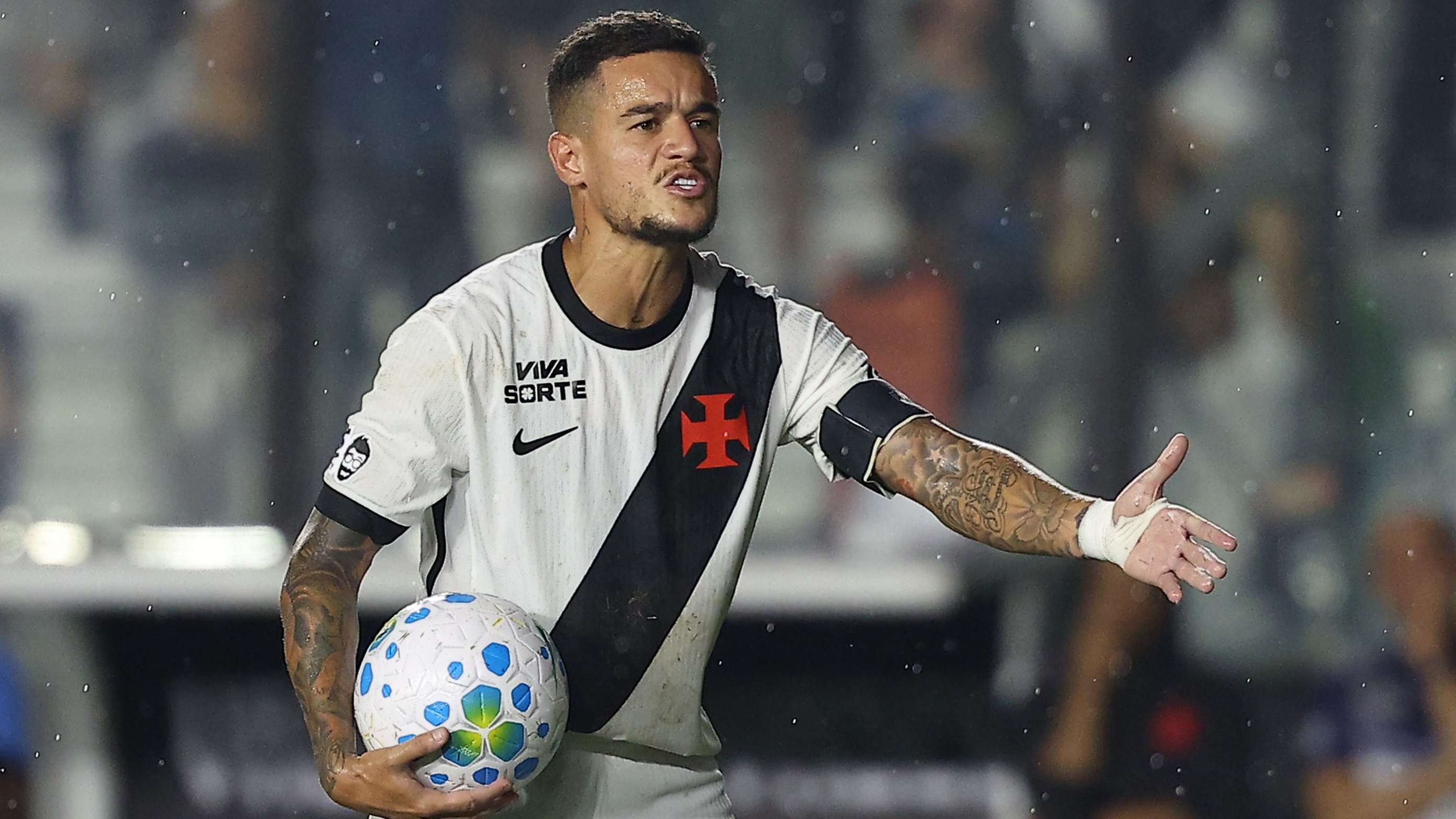
In a heartfelt and candid statement, Brazilian football star Philippe Coutinho has finally addressed the controversy surrounding his recent transfer to Santos, revealing the complex factors that influenced his decision to leave his lifelong club, Vasco da Gama. The move has sparked widespread debate among fans, analysts, and football enthusiasts, prompting a closer look at the implications for his career trajectory and future predictions.
Understanding the Context: Coutinho’s Journey and the Transfer Saga
Philippe Coutinho, widely regarded as one of Brazil’s most talented playmakers, has enjoyed a storied career that spans top European clubs and iconic Brazilian teams. Known for his exceptional dribbling, vision, and creative flair, Coutinho’s transfer decisions often attract significant attention, especially when they involve returning to his roots. His latest transfer to Santos, considered a controversial move given his recent history at Vasco da Gama, has been scrutinized from multiple angles.
Originally beginning his career at Vasco da Gama, Coutinho’s journey took him across Europe, with notable stints at Liverpool, Barcelona, and Bayern Munich. His transfer to Santos in 2024 marked a pivotal moment, raising questions about his motivations and the potential impact on his performance and predictions for his career’s next chapter.
He Opens Up: The Personal Reasons Behind His Transfer
In a detailed interview, Philippe Coutinho explained that his decision to transfer to Santos was driven by more than just footballing considerations. He candidly revealed that the move was motivated by a need to prioritize his mental health after experiencing significant emotional challenges during his time at Vasco da Gama.
“The environment at Vasco was increasingly hostile, and I found myself battling severe mental exhaustion,” Coutinho shared. “The intense hostility from the stands, the relentless scrutiny, and the pressure to perform took a toll on my wellbeing. I realized that I needed to step away temporarily to focus on my mental health and find a way to rediscover my passion for the game.”
This transparency has resonated deeply with fans and mental health advocates, highlighting the importance of psychological wellbeing even among top-tier athletes. His openness also sets a precedent for other players facing similar pressures in the high-stakes world of professional football.
The Impact of Hostility and Fan Expectations on Player Transfer Decisions
Coutinho’s revelations shed light on a broader issue affecting footballers worldwide: the intense pressure from fans and media can sometimes overshadow athletic performance. In Brazil, where football is more than a sport—it’s part of the national identity—players often face passionate, sometimes hostile, crowds that can influence their mental state and performance.
The hostility Coutinho experienced underscores the necessity for clubs and leagues to foster environments that prioritize player wellbeing. His move to Santos is not just a transfer of location but a strategic step to regain stability and mental clarity, which could positively influence his future predictions in terms of performance and contribution to the team.
Transfer Predictions: What Does Coutinho’s Move Mean for His Career?
Sports analysts and football pundits have been closely monitoring Coutinho’s transfer to Santos, speculating on how this decision might influence his career trajectory. Several key predictions have emerged:
- Revived Performance and Confidence: Returning to a familiar environment, where he is celebrated as a homegrown talent, could rekindle Coutinho’s confidence. This boost might translate into improved on-field performance, making him a pivotal figure for Santos and potentially increasing his market value.
- Enhanced Leadership Role: As an experienced player, Coutinho is expected to assume a leadership role within the Santos squad, mentoring younger players and contributing to team dynamics. This role could be instrumental in his future predictions as a player who rebuilds his reputation and influence in Brazilian football.
- Potential for International Recognition: A successful stint at Santos could pave the way for Coutinho to regain his spot in the Brazil national team, especially if he demonstrates consistent high-level performances. This resurgence might influence transfer predictions, with European clubs observing his development closely.
- Long-term Transfer Prospects: While the immediate focus is on his current role, scouts and clubs will be watching to see if Coutinho can sustain his form and adapt to the Brazilian league’s demands. A successful transfer prediction could involve a future move to a European club, or even a return to top-tier European competitions.
Challenges and Opportunities Ahead
Despite optimistic predictions, Coutinho faces several challenges. The pressure to perform consistently, adapt to a different style of play, and manage ongoing mental health considerations will be critical factors influencing his progress. Additionally, the competitive nature of the Brazilian league and the expectations from Santos fans will test his resilience and professionalism.
However, this transfer also presents unique opportunities. By stepping away from a hostile environment and focusing on his wellbeing, Coutinho has the chance to reinvent himself, both on and off the pitch. His journey underscores the importance of mental health in sports, and his openness might inspire other athletes to prioritize their psychological wellbeing.
Broader Implications for Football Transfers and Player Wellbeing
Coutinho’s candid discussion about his mental exhaustion and the hostile environment he faced raises important questions about how clubs and leagues manage player welfare. The transfer prediction landscape is increasingly influenced by factors beyond just tactical fit and financial considerations—they now include psychological health, fan behavior, and the overall environment.
Football governing bodies and clubs are encouraged to develop support systems that help players navigate the immense pressure of professional sports. Initiatives such as mental health programs, fan education, and fostering respectful atmospheres could significantly improve player experiences and, consequently, transfer predictions for players seeking a fresh start or a change of environment.
Conclusion: A New Chapter with Promising Predictions
Philippe Coutinho’s recent transfer to Santos marks a significant turning point in his career—one driven by personal resilience, mental health awareness, and strategic career planning. His openness about the challenges faced during his previous tenure highlights the importance of holistic wellbeing in professional football.
Looking ahead, the transfer prediction landscape suggests a promising future for Coutinho—one where he can leverage his experience, regain confidence, and potentially redefine his role in Brazilian and international football. Fans and analysts alike will be watching closely to see how this transfer unfolds and what it means for his legacy and the broader conversation about player wellbeing in the sport.