
Germany vs Serbia Nations League Match Could Be Played Behind Closed Doors
Germany’s Nations League visit to Serbia could take place in an empty stadium after UEFA ordered the Serbian Football Association to stage a home match without spectators. The sanction follows racist and discriminatory conduct by supporters during recent fixtures, leaving uncertainty over whether fans will be allowed into Belgrade’s Rajko Mitic Stadium for the meeting with Germany.
The match is scheduled for 13 November, with Serbia’s football authorities continuing to seek a compromise. They have said they are asking UEFA to permit at least children to attend, while also proposing that around 2,000 German supporters be admitted. Whether either request can be approved remains unclear, and the final decision will shape the atmosphere for a significant Nations League contest.
UEFA sanction follows discriminatory behaviour
UEFA fined the Serbian FA €50,000 and imposed a one-match stadium closure after incidents involving racist and discriminatory behaviour by fans during Serbia’s matches against Greece and the Netherlands. Serbia lost both games 2-1, and the governing body’s punishment reflects its rules against discriminatory conduct at international fixtures.
A match played behind closed doors would mean the home side loses the support of its usual crowd, while Germany would also face a very different setting from the intense atmosphere typically associated with Belgrade. The Rajko Mitic Stadium, home of Red Star Belgrade, is known for its passionate support. Without spectators, the match would instead be shaped by the players’ performances, tactical decisions and the pressure of the group standings.
The Serbian federation’s request to admit children appears to be an effort to preserve some local presence while responding to UEFA’s disciplinary ruling. Its proposal to allow a limited number of German fans raises a further question: whether any exception can be made without undermining the purpose of the sanction. UEFA will need to determine whether the proposed arrangements comply with the terms of the closure.
Previous restrictions followed flag incident
This is not the first time Serbian supporters have been subject to restrictions in the Nations League. In December 2024, UEFA imposed earlier sanctions after Serbian fans attempted to set fire to an Albanian flag during a match in Switzerland the previous month. That fixture ended in a 1-1 draw.
The earlier disciplinary measures included partial stadium closures for two Serbian home matches and a ban on selling away tickets to Serbian supporters for two UEFA away fixtures. One restriction applied to Serbia’s Nations League play-off match in Austria in March 2025. Another affected the team’s more recent visit to Munich, where Serbia suffered a 2-0 defeat to Germany. UEFA also issued a separate €80,000 fine.
Taken together, the penalties show that the governing body has continued to monitor supporter conduct and apply sanctions across multiple competitions. For the Serbian FA, the latest ruling creates both an immediate logistical challenge and a broader incentive to demonstrate that future fixtures can be managed without further discriminatory incidents.
Group B standings add pressure to the fixture
The possible stadium closure comes at a crucial point in Nations League A Group B. After four matchdays, Germany sit third with five points, three behind joint leaders Greece and the Netherlands. Serbia are bottom of the group without a point, leaving them with little margin for error as they look to improve their position.
That contrast gives the match different stakes for each team. Germany will want to collect points and keep pressure on the teams above them, while Serbia will be looking to avoid finishing the group without a result. Even if the hosts cannot count on a full stadium, the contest remains important for confidence, momentum and the final shape of the table.
For supporters following the fixture, any football prediction should account for more than the teams’ positions alone. The absence of a crowd could reduce Serbia’s familiar home advantage, but it does not automatically make the match straightforward for Germany. Tactical discipline, the teams’ recent form and the ability to handle a high-pressure international game will all matter. The final venue conditions may also influence the pace and intensity of the contest.
Germany face the Netherlands three days later
Germany’s schedule offers little time to recover after the trip to Belgrade. Three days later, they are due to face arch-rivals the Netherlands at Berlin’s Olympiastadion in their final group-stage match. That meeting could prove decisive in determining whether Germany can climb above their current third-place position.
The back-to-back fixtures make squad management an important consideration. Germany’s coaching staff may need to balance the need for a strong result against Serbia with the physical demands of a short turnaround before the Netherlands game. Changes to the starting line-up, substitutions and recovery planning could all play a part, particularly if the Belgrade match proves demanding despite the possibility of an empty stadium.
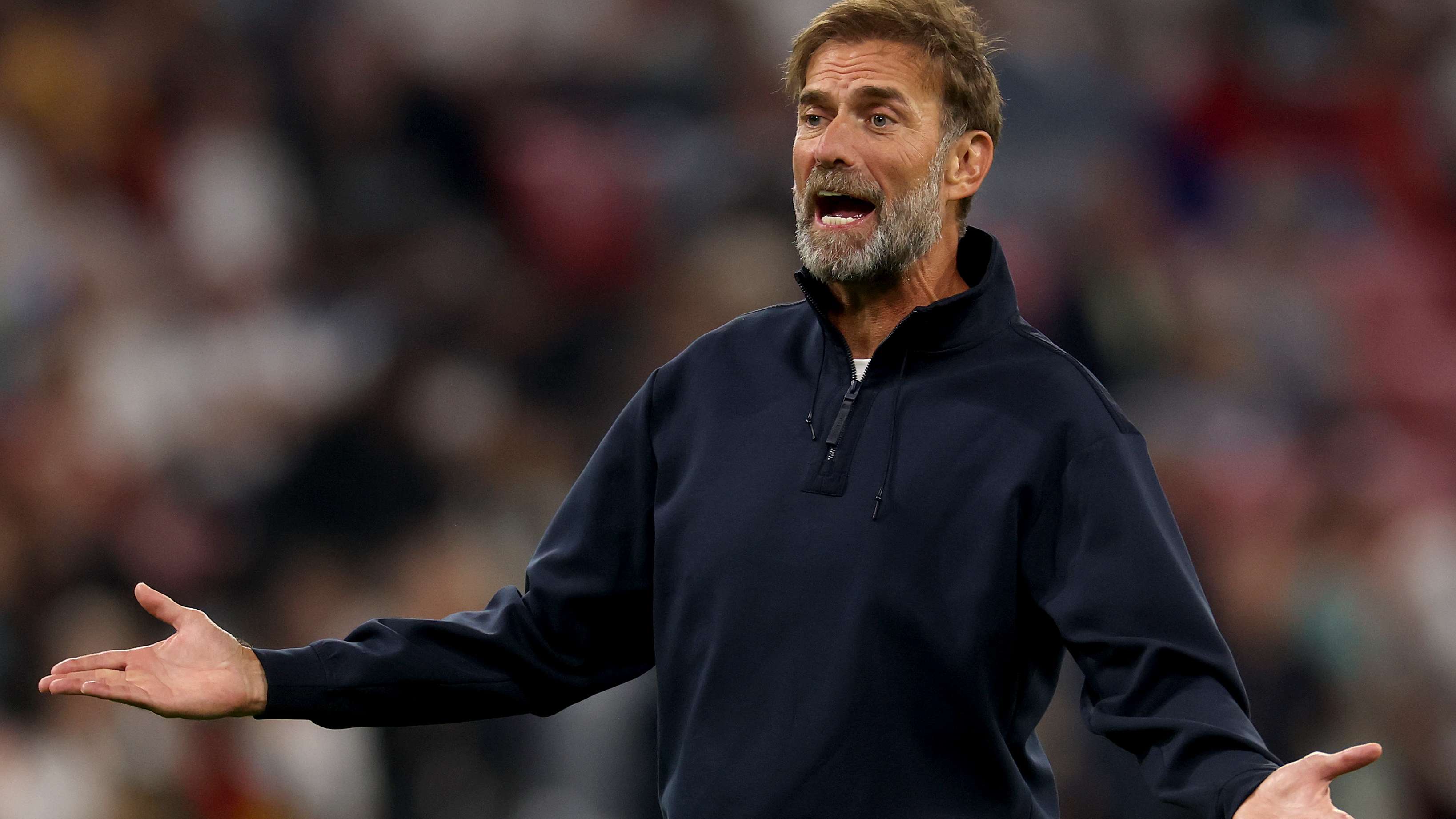
The fixture also marks a notable period for Germany under new head coach Jürgen Klopp, whose side will be expected to make a strong impression in the closing stages of the group campaign. The Serbia match offers an opportunity to build momentum before the high-profile Netherlands clash, while also testing the team’s ability to perform in an unusual and potentially tense environment.
Final decision could shape the matchday atmosphere
Until UEFA responds to Serbia’s request, the status of the crowd remains the central question surrounding the 13 November fixture. A full stadium ban would leave the Rajko Mitic Stadium silent, while a limited exception for children—or a small allocation for German fans—could create a different, tightly controlled atmosphere.
Whatever the ruling, the focus will remain on the football and the group implications. Germany need points to stay in contention with Greece and the Netherlands, while Serbia are searching for a breakthrough. With disciplinary issues, a demanding schedule and a major rivalry on the horizon, this Nations League meeting carries significance well beyond the final score.