
Controversial Refereeing Decisions Mar Bayern Munich’s Game
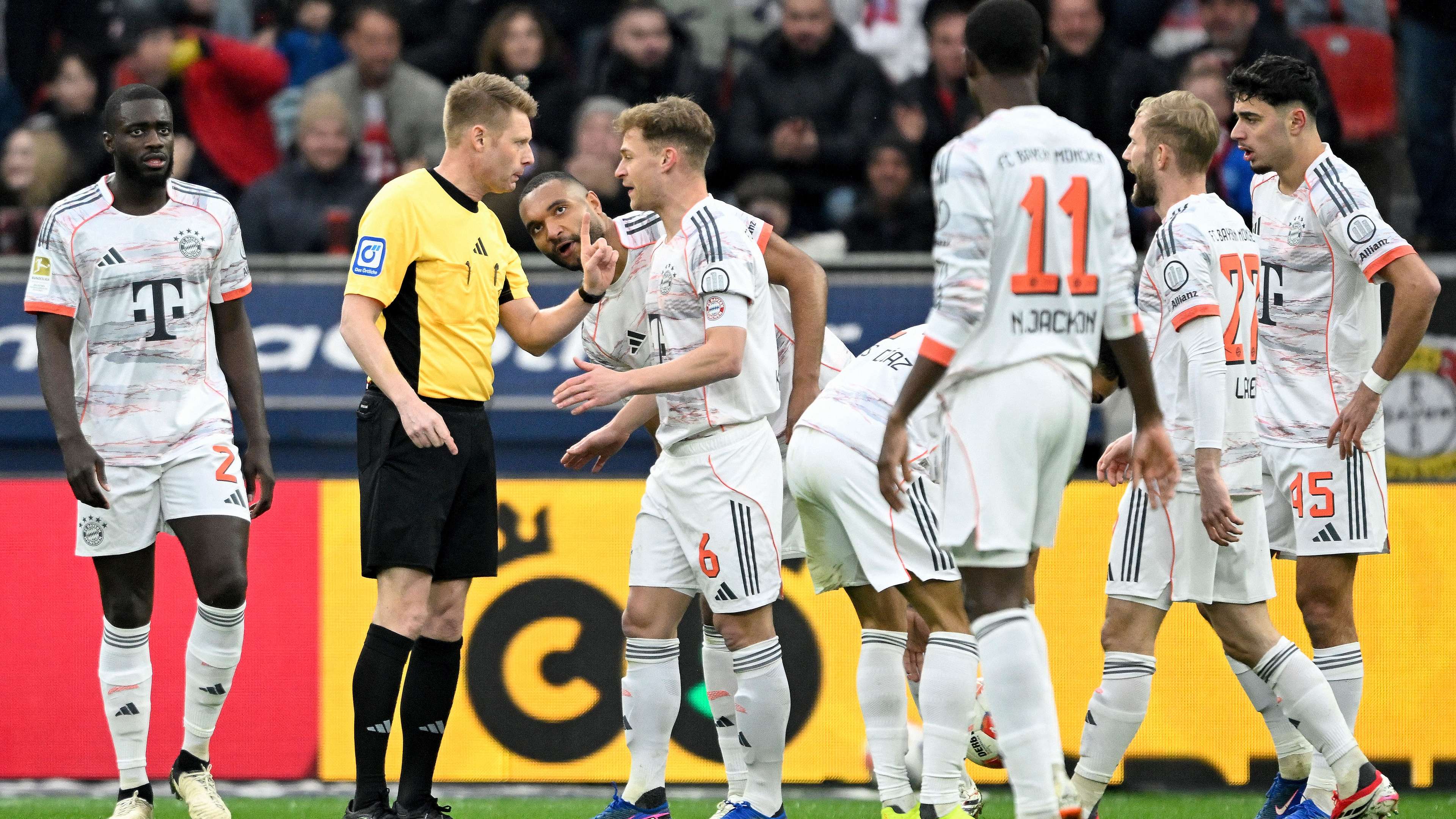
FC Bayern Munich’s recent 1-1 draw against Bayer Leverkusen in matchday 26 of the Bundesliga has left fans buzzing about the controversial decisions made by referee Christian Dingert. The match was filled with drama as Dingert disallowed two of Munich’s goals and sent off Luis Diaz for an alleged dive, a decision he now regrets.
Questionable Calls Shake Up the Game
One of the most talked-about incidents occurred in the 84th minute when Dingert showed Diaz a red card for what he initially deemed a dive. However, upon reviewing the footage, Dingert admitted that he would not have made the same decision again. Diaz had dribbled into the penalty area after receiving a lob from Harry Kane, only to be met by Leverkusen goalkeeper Jonas Blaswich. As Blaswich made contact with Diaz’s foot, Dingert interpreted it as a dive, much to the dismay of Bayern Munich.
The decision to send off Diaz, who had already been booked earlier in the game, sparked outrage among the Munich side and their supporters. The controversial call significantly impacted the balance of the game and left many questioning the consistency of refereeing in football.
Referee Reflects on Controversial Calls
In an interview with Sky, Dingert expressed his regret over the decisions made during the match. He acknowledged that upon reviewing the footage, he realized that he may have been hasty in showing Diaz a red card. The referee’s admission has sparked discussions about the challenges faced by officials in high-stakes matches and the need for greater accountability in refereeing decisions.
The controversy surrounding the match has reignited debates about the role of technology in football and the potential use of VAR (Video Assistant Referee) to minimize errors in crucial moments. Fans and pundits alike have called for a more transparent and consistent approach to refereeing to ensure fair play and maintain the integrity of the game.
Looking Ahead
As Bayern Munich continues their Bundesliga campaign, the team will be looking to put the controversy behind them and focus on their upcoming matches. The draw against Bayer Leverkusen highlighted the unpredictable nature of football and the influence that refereeing decisions can have on the outcome of a game.
Despite the setbacks, Bayern Munich remains a formidable force in the Bundesliga and will be aiming to bounce back from the recent draw. The team’s resilience and determination will be put to the test in the remaining fixtures of the season as they strive to secure their position at the top of the league table.
As the football world reflects on the events of the matchday 26 clash between Bayern Munich and Bayer Leverkusen, one thing is certain – the controversy surrounding the game has sparked passionate debates and raised important questions about the future of refereeing in football.
Impact of Controversial Refereeing Decisions
The fallout from the contentious decisions made by referee Christian Dingert in the Bayern Munich versus Bayer Leverkusen match goes beyond just that game. The reverberations of such incidents can have far-reaching consequences, affecting not only the outcome of the match but also the morale and confidence of the players and the perception of fairness in the league.
For Bayern Munich, the frustration of having key moments in the game negated by questionable calls can be demoralizing. It not only affects the players’ mentality during the match but can also have a lingering impact on their subsequent performances. The feeling of injustice can linger, leading to a sense of unfairness that may affect the team’s overall morale and cohesion.
Moreover, such controversies can also impact the perception of the Bundesliga as a league. Fans and spectators may question the integrity of the competition if they feel that refereeing decisions are inconsistent or biased. This can undermine the credibility of the league and erode trust in the fairness of the outcomes.
The Role of Technology in Football
The debate surrounding the use of technology in football, particularly VAR, has been reignited by the controversial incidents in the Bayern Munich match. VAR has been hailed as a tool to minimize errors and enhance the accuracy of refereeing decisions. However, its implementation has also been met with criticism, with concerns about delays in the game and the subjective interpretation of incidents.
While VAR has the potential to rectify clear and obvious errors, its effectiveness in addressing more subjective decisions, such as fouls and dives, remains a point of contention. The balance between maintaining the flow of the game and ensuring fairness through technology is a delicate one that football authorities continue to grapple with.
Building a Consistent and Transparent Refereeing System
One of the key takeaways from the Bayern Munich match is the need for a more consistent and transparent refereeing system. Referees play a crucial role in maintaining the integrity of the game and upholding fair play. However, the subjective nature of their decisions leaves room for interpretation and error.
By implementing clearer guidelines, training programs, and accountability measures for referees, football authorities can work towards creating a more reliable and consistent officiating system. Increased transparency in decision-making processes and the inclusion of technology where appropriate can help build trust among players, coaches, and fans in the refereeing process.
Conclusion
As Bayern Munich and other teams in the Bundesliga navigate the challenges of a competitive season, the controversy surrounding refereeing decisions serves as a reminder of the complexity and importance of fair play in football. While contentious calls may spark debates and disagreements, they also present an opportunity for reflection and improvement in the refereeing system.
By learning from past incidents, embracing technology judiciously, and prioritizing consistency and transparency, football authorities can work towards creating a more equitable and trustworthy environment for the beautiful game. As Bayern Munich moves forward in their campaign, the lessons learned from the match against Bayer Leverkusen can serve as a catalyst for positive change in the world of football.