
Barcelona’s Goalscoring Has Become a Team Effort as Raphinha Tops La Liga Charts
Barcelona are finding goals from across the squad, even with leading scorer Raphinha sidelined for part of the season. The Brazilian winger remains at the top of the La Liga scoring charts with 14 goals, but his absence has underlined a broader strength in Hansi Flick’s side: the ability to share the attacking responsibility.
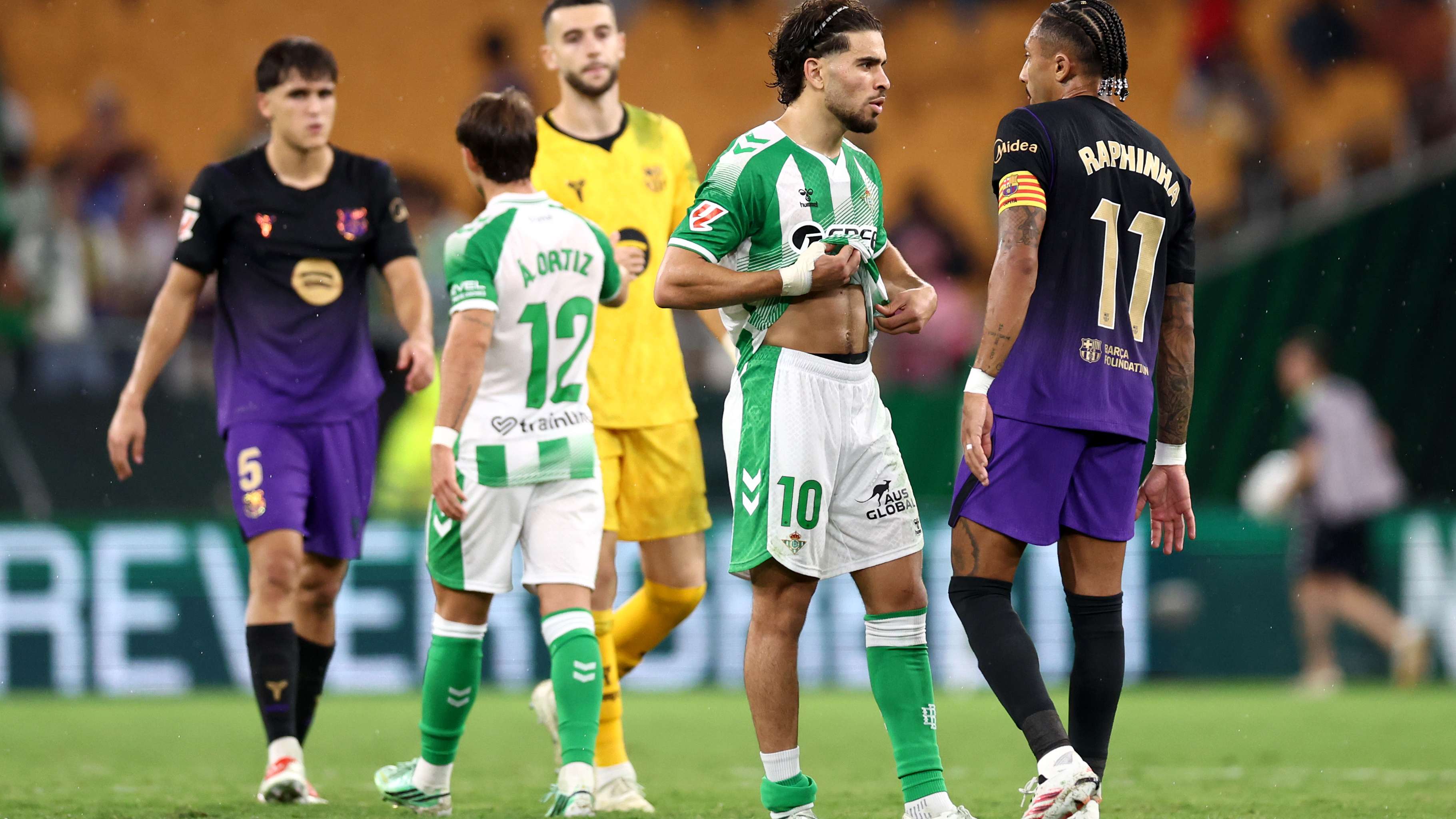
That collective approach has helped Barcelona make a powerful start to the campaign. Flick’s team scored 48 goals across its first 11 matches, averaging 4.3 per game. The total includes goals in both La Liga and the Champions League, and has arrived despite Raphinha missing two matches after the international break and playing only 20 minutes in his return against Real Betis.
For a club that entered the season with questions about its forward line, the early numbers offer an encouraging answer. Barcelona’s attack has not depended on one prolific striker. Instead, goals have come from a growing list of players, giving the team more ways to threaten opponents and making it harder for defences to focus on a single target.
Concerns over Barcelona’s attacking options
Those concerns were understandable. Robert Lewandowski, Ferran Torres and Marcus Rashford all departed last summer, having scored 54 goals between them the previous season. Barcelona also missed out on a move for Julián Álvarez, who had been considered for the central striker role.
The club responded by bringing in Anthony Gordon, Karim Adeyemi and Gabriel Jesus. Even so, questions remained over whether the new-look attack could maintain Barcelona’s output and provide enough depth across a demanding schedule. As the Catalan newspaper Sport reported, the debate around the team’s goalscoring continued into the start of the season.
Flick’s side has begun to address that uncertainty on the pitch. Rather than relying on a single centre-forward to deliver week after week, Barcelona have produced goals through movement, quick combinations and contributions from midfield and defence. That variety can be especially valuable when injuries, suspensions or tactical adjustments limit the availability of key attackers.
Thirteen players have scored
Barcelona have had 13 different goalscorers this season. Five players opened their accounts during the three matches played after the international break, a sign that the scoring burden is spreading as the campaign develops.
Gordon scored twice, while Dani Olmo, Jules Koundé, Rodri and Eric García also found the net for the first time this season. Their contributions have helped keep the attack productive while Raphinha has been unavailable or working his way back to full fitness.
That distribution reflects a clear message within the squad: every player has a role in the team’s attacking work. Rodri captured the idea when he said, “We are all important. We don’t have a player who can score 50 or 60 goals.” The point is not that Barcelona lack individual quality, but that their best route to sustained success may be collective rather than dependent on one extraordinary scoring season.
For opponents preparing to face Barcelona, that can create a difficult football prediction problem. Marking Raphinha or limiting Lamine Yamal may reduce the influence of two major threats, but it does not necessarily stop the team from scoring. A midfielder arriving late in the box, a defender attacking a set piece or a substitute making an impact can all change the outcome.
Raphinha’s return adds another dimension
Raphinha’s return against Real Betis was a welcome development, even though he managed only a brief appearance. His 14 goals make him Barcelona’s leading scorer and a central figure in Flick’s attacking plans. The winger brings direct running, sharp movement and an ability to create chances as well as finish them.
His return should strengthen an attack that has already shown it can function without him. That is an important distinction: Barcelona are not simply waiting for their captain to rescue the team. They have continued to score during his absence, while his availability offers Flick another proven option as the fixtures become more demanding.
Several members of the squad are still waiting for their first goal. Gerard Martín, Pau Cubarsí, Marc Bernal, Andreas Christensen and Gavi have featured without scoring. Alejandro Balde and Hamza Abdelkarim have had limited minutes, while Brian Farinas and Frenkie de Jong have yet to appear. Their lack of goals is not necessarily a concern; players in defensive and creative roles can contribute through assists, pressing, ball progression and defensive work.
Lamine Yamal continues to set the pace
Alongside Raphinha, Lamine Yamal remains one of Barcelona’s most influential attacking players. The teenager finished last season as the club’s top scorer with 24 goals and has already recorded nine goals and 10 assists this campaign. He is approaching double figures in both categories, an impressive return for a player still early in his senior career.
Yamal’s ability to score and create makes him particularly difficult to contain. Defenders must account for his dribbling and crossing, but he is also increasingly capable of finishing moves himself. His form has strengthened his reputation as one of the leading young players in world football, with attention set to intensify around the Ballon d’Or ceremony on 26 October.
Barcelona’s early-season scoring rate should not be treated as a guarantee that the team will continue producing goals at the same pace. Opponents will adapt, the fixture list will bring tougher tests, and injuries can alter the balance of the squad. Still, the first 11 matches have provided encouraging evidence that Flick has more than one route to goal.
With Raphinha back in the picture, Yamal continuing to deliver and new goalscorers emerging, Barcelona’s attack looks increasingly versatile. The key test will be whether that shared responsibility holds up across La Liga and the Champions League. For now, the team’s strongest prediction is also its clearest principle: when goals are spread across the squad, Barcelona become harder to plan against.