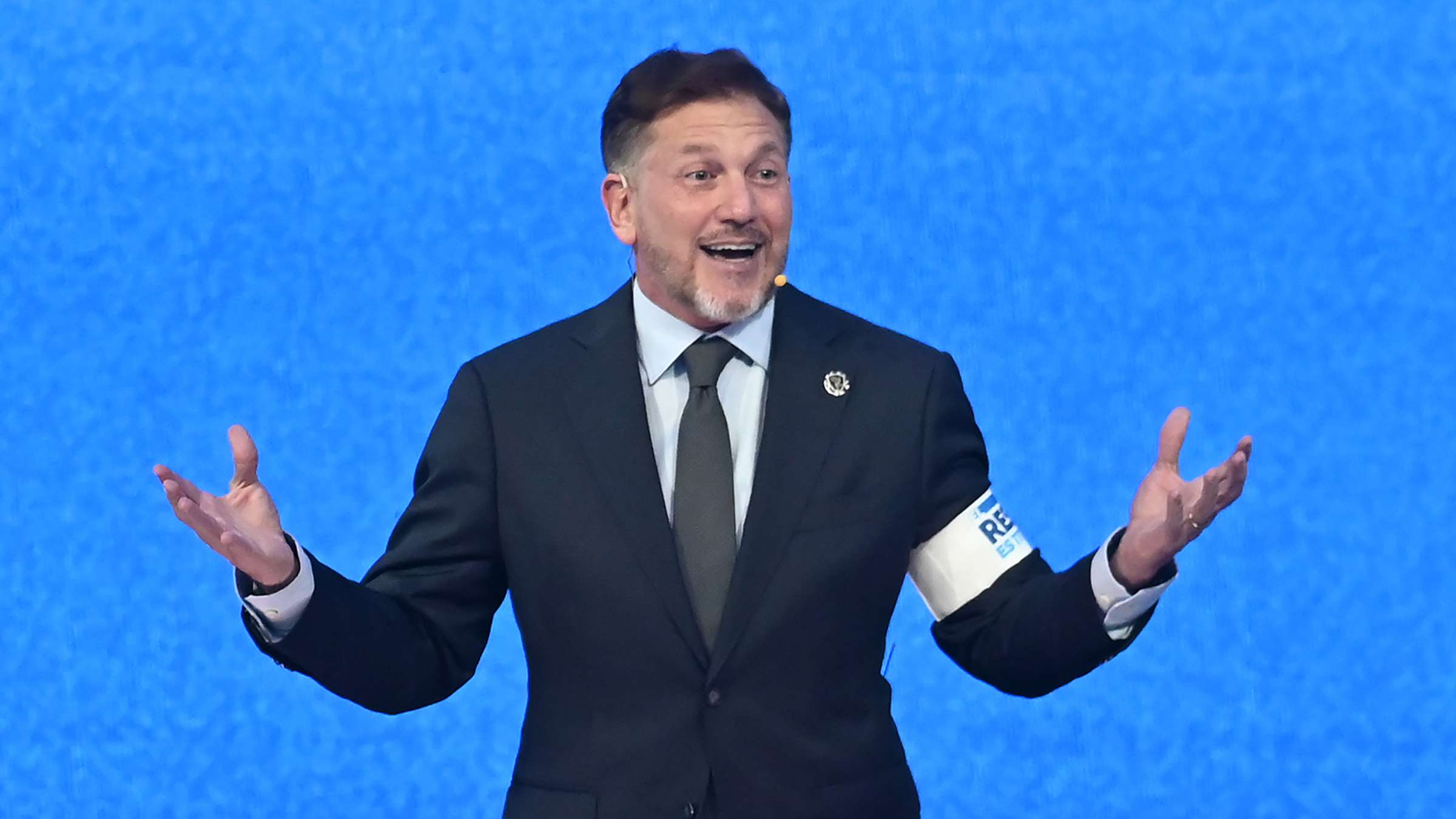

Alejandro Dominguez Reveals Plans for Expanded 2030 World Cup
The President of CONMEBOL, Alejandro Dominguez, recently made a bold announcement on social media that is sure to have football fans around the world buzzing with excitement. Dominguez revealed plans for the 2030 World Cup to expand to an unprecedented 64-team tournament, a move that would revolutionize the prestigious competition.
Building on FIFA’s Expansion Plans
This announcement from Dominguez comes on the heels of FIFA President Gianni Infantino’s confirmation that the organization is considering further expansion of the World Cup. The 2026 edition in North America is already set to feature 48 teams, a significant increase from the current 32-team format. With the potential for even more teams to participate in the 2030 tournament, the football world is bracing for a major shift in the way the World Cup is structured.
Implications of a 64-Team Tournament
If the 2030 World Cup does indeed expand to 64 teams, it would open up new opportunities for countries around the world to compete on the biggest stage in football. Smaller nations that have historically struggled to qualify for the World Cup could now have a better chance of earning a spot in the tournament. This expansion could also lead to increased diversity in the teams that participate, adding an exciting element of unpredictability to the competition.
However, some critics have expressed concerns that a 64-team tournament could dilute the quality of play in the World Cup. With more teams competing, there is a risk that the overall level of competition could be lowered. Additionally, logistical challenges such as scheduling and venue selection would need to be carefully managed to ensure the success of such a large-scale event.
Global Reaction to Dominguez’s Announcement
Football fans, players, and officials from around the world have been quick to weigh in on Dominguez’s announcement. Many have expressed excitement at the prospect of a larger World Cup, seeing it as an opportunity to showcase the sport on an even grander scale. Others have raised questions about the potential impact on the tournament’s competitiveness and integrity.
Regardless of the outcome, one thing is clear: the 2030 World Cup is shaping up to be a historic event that will reshape the future of international football. As plans for the expanded tournament continue to develop, fans can expect plenty of speculation, debate, and anticipation leading up to the kickoff in 2030.
In conclusion, Alejandro Dominguez’s revelation of plans to expand the 2030 World Cup to a 64-team tournament has sent shockwaves through the football community. With FIFA already considering further expansion after the 2026 edition, the future of the World Cup is set to undergo a major transformation. Fans can only wait and see how this bold move will impact the world’s most prestigious football tournament.
Impact on Football Development
One of the potential benefits of expanding the World Cup to 64 teams is the positive impact it could have on football development in smaller nations. By giving more countries the opportunity to participate in the tournament, FIFA and CONMEBOL could help boost the popularity and infrastructure of the sport in regions where football is not as prominent. This could lead to increased investment in youth development programs, coaching education, and facility upgrades, ultimately raising the overall standard of football worldwide.
Increased Revenue and Global Exposure
Another significant advantage of a 64-team World Cup would be the potential for increased revenue and global exposure. With more teams competing, there would be more matches to broadcast, more merchandise to sell, and more sponsorship opportunities available. This could result in a financial windfall for FIFA, CONMEBOL, and the participating countries, allowing them to invest further in the development of football at all levels.
Challenges and Considerations
While the prospect of a 64-team World Cup is exciting, there are several challenges and considerations that FIFA and CONMEBOL will need to address. One of the main concerns is the impact on player welfare, with some critics arguing that the increased number of matches could lead to player burnout and injuries. Additionally, the logistics of hosting a tournament of this size would require careful planning to ensure that matches are scheduled efficiently and that venues meet the necessary standards.
Furthermore, there are questions about how the qualification process would be structured for a 64-team tournament. With more teams vying for limited spots, FIFA and CONMEBOL would need to determine a fair and transparent method for teams to qualify, taking into account factors such as continental representation, historical performance, and competitive balance.
Looking Ahead to 2030
As preparations for the expanded 2030 World Cup continue to unfold, football fans can look forward to a tournament that promises to be bigger, more inclusive, and more competitive than ever before. With the potential for new teams to make their mark on the world stage and for established powerhouses to reaffirm their dominance, the 2030 World Cup is sure to be a spectacle that captures the hearts and minds of fans around the globe.
As the football world eagerly anticipates the kickoff of the 2030 World Cup, speculation and excitement will only continue to grow. The expanded tournament represents a bold step forward for the sport, offering new opportunities for nations to showcase their talent and passion for football on the world stage. With just a few years to go until the tournament kicks off, the countdown to the expanded 2030 World Cup has well and truly begun.
Get ready for a World Cup like no other in 2030!