
Sergio Conceição’s Al-Ittihad comments reignite debate over Saudi football
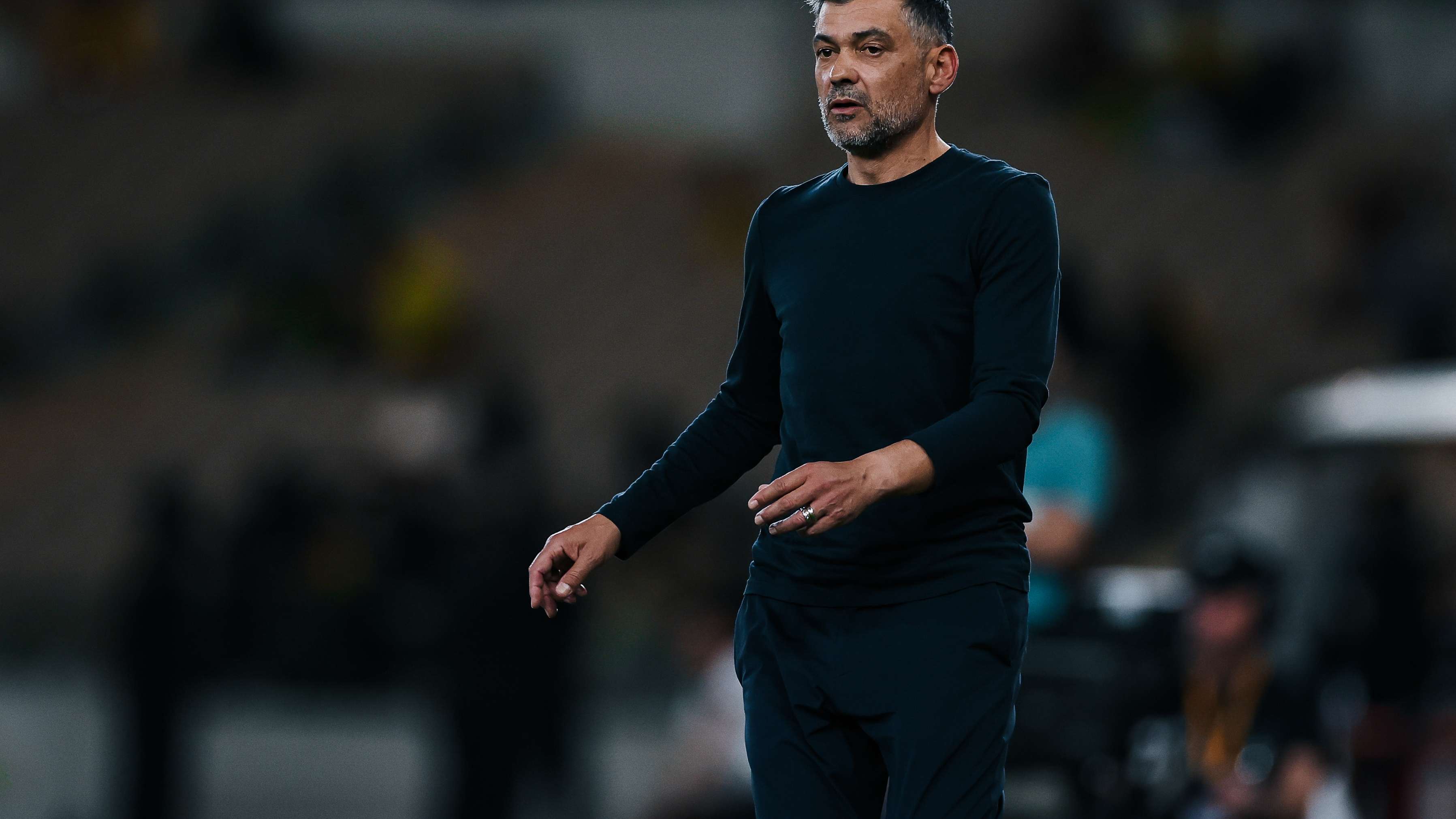
Former Al-Ittihad manager Sergio Conceição has sparked fresh discussion about the Saudi Pro League after speaking candidly about his move to the club, the financial incentives involved and the challenges of working within a different football culture. His remarks have renewed questions about whether the league’s rapid investment can be matched by the professional standards and day-to-day discipline needed to build a sustainable football system.
Speaking on the La Tripletta podcast, the Portuguese coach addressed why he accepted the opportunity in Saudi Arabia. Conceição said it would not be truthful to suggest that the appeal of the league alone drove his decision. The financial offer, he acknowledged, was an important factor in making the move.
His comments were striking partly because they challenged a familiar narrative around high-profile transfers to the region. Saudi clubs have attracted internationally known players and coaches with ambitious projects and substantial resources. But Conceição’s account suggests that financial power and sporting development do not always advance at the same pace.
Investment and professional standards
Conceição said he had expected the scale of investment in Saudi football to support improvements across the wider game. Instead, he found it difficult to introduce the working methods and level of rigour he had become accustomed to in Europe. He also criticised the work mentality and discipline of some Saudi players, comments that have proved particularly controversial.
His assessment should not be read as a verdict on every player, club or coach in the country. Rather, it highlights a challenge that often accompanies rapid growth: new facilities, major signings and high-profile managers can raise expectations, but lasting progress also depends on habits developed away from match day. Training intensity, punctuality, recovery, tactical preparation and consistent standards all shape how a team performs over a full season.
For coaches arriving from abroad, establishing those routines can be complicated. A manager may bring a detailed tactical plan and a demanding schedule, yet still need to adapt to local working practices, communication styles and the expectations of players and staff. Conceição’s remarks point to the tension between importing a European model and building an approach that works within Saudi football’s own environment.
A difficult adjustment for coaches arriving from Europe
Moving between leagues involves more than changing a club’s formation or selecting a starting eleven. Coaches must learn how players respond to feedback, how training is organised and what support is available across the club. They also need time to understand the competition, the demands of travel and the conditions in which teams prepare and play.
That adjustment can be especially demanding when expectations are high from the outset. A coach recruited to deliver immediate results may have limited time to reshape training culture or introduce new standards. Meanwhile, players may be asked to adapt quickly to unfamiliar methods. Conceição’s experience reflects a broader issue facing clubs that recruit internationally: successful integration requires cooperation from management, coaching staff and the squad.
The challenge is not unique to Saudi Arabia. Football clubs around the world have learned that hiring a celebrated manager does not automatically produce a coherent team. A new coach needs authority, clear backing and time to translate ideas into routines. Without those foundations, even significant investment can generate attention without delivering consistent performance.
Can spending create lasting football growth?
Saudi football has undergone a period of rapid change, with major investment bringing greater international attention to its clubs and competitions. That visibility can help attract talent, strengthen commercial interest and encourage local players to compete alongside experienced professionals. It can also raise the profile of the league among global audiences searching for football news, transfer updates and match prediction coverage.
However, spending is only one part of a successful development strategy. Long-term progress depends on strong academies, coaching education, competitive opportunities for domestic players and standards that remain consistent from one club to another. Recruitment can improve a squad quickly, but a healthy football ecosystem also needs to develop talent and expertise at home.
Conceição’s comments therefore raise a wider question: how can Saudi clubs turn financial momentum into sustainable sporting progress? The answer is unlikely to come from a single policy or signing. It requires clear expectations, effective club leadership and a shared commitment to professional routines. It also calls for realistic timelines, since building a new football culture cannot happen overnight.
Why Conceição’s remarks matter
The Portuguese coach’s words have attracted attention because they combine a frank admission about personal motivation with criticism of the environment he encountered. His acknowledgement that money influenced his decision may be uncomfortable, but it offers a more direct account than the polished explanations often heard when a coach changes leagues. At the same time, his criticism has prompted debate about how foreign managers describe the players and cultures they encounter abroad.
That debate matters because the Saudi Pro League is still shaping its identity on the international stage. Honest assessments can help identify areas for improvement, but broad criticism can also obscure differences between clubs and individuals. The most useful discussion will focus on specific standards and practical solutions rather than treating an entire league as uniform.
For supporters, Conceição’s remarks offer context for understanding the gap that can emerge between a club’s ambitions and its results. A high-profile appointment may generate optimism, but success depends on whether the club can build a shared working culture around the manager. That includes setting expectations early, supporting players through change and giving coaching staff the tools to implement their ideas.
What comes next for Saudi football?
Conceição’s comments are unlikely to settle the argument over the league’s direction. Instead, they have added a new perspective to a conversation already shaped by investment, international recruitment and expectations of rapid improvement. The key test will be whether clubs can turn those resources into consistent performances and stronger foundations for the future.
For now, his account serves as a reminder that football development is about more than money or star power. Professional habits, trust and adaptation matter just as much as recruitment. As Saudi clubs continue to pursue ambitious goals, their ability to combine investment with disciplined, locally grounded development will help determine whether the current surge becomes a lasting transformation.