
Sergio Conceicao Avoids Taking Sides in Cristiano Ronaldo and Jorge Jesus Dispute
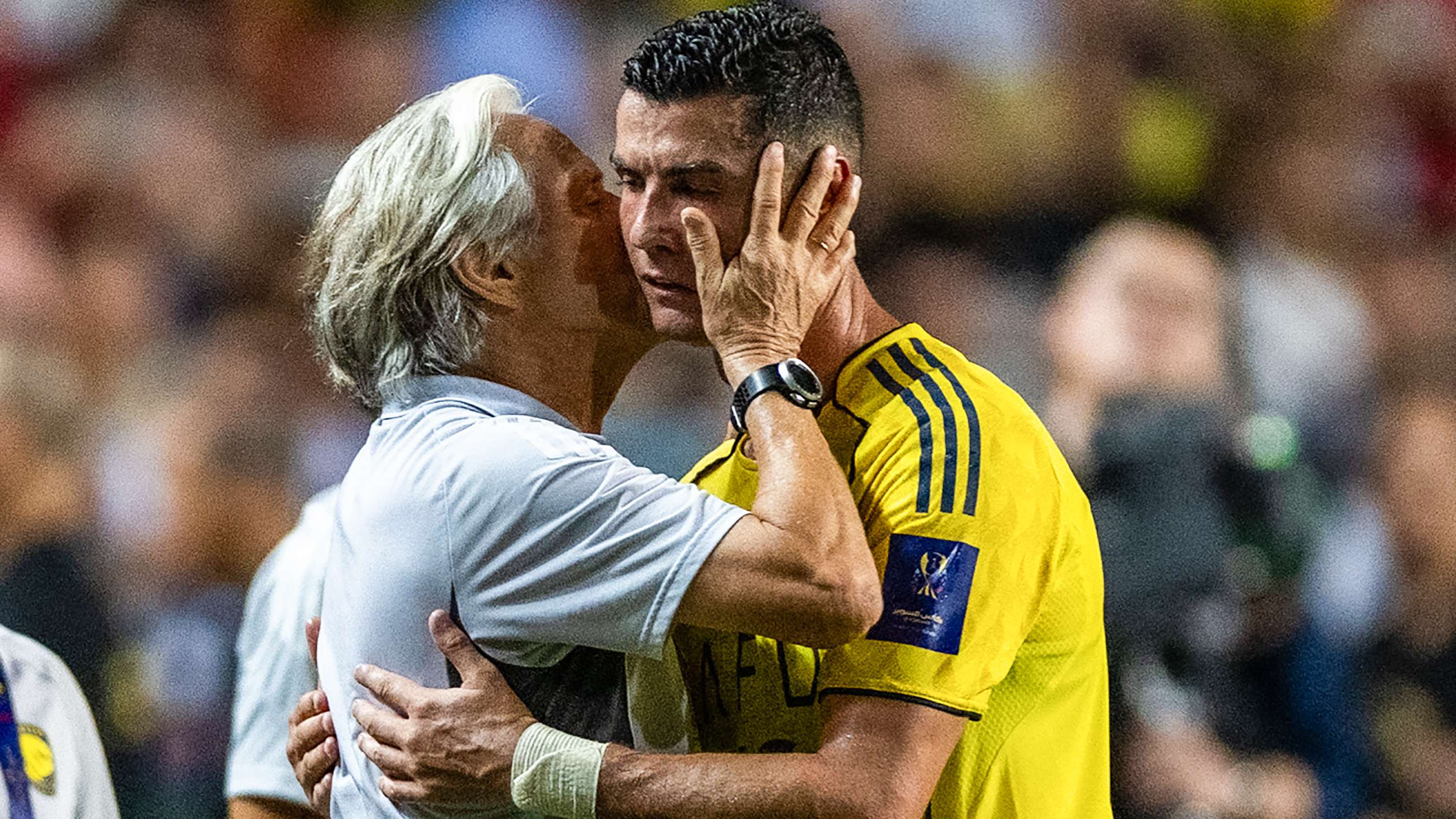
Former Al Ittihad head coach Sergio Conceicao has declined to choose between Cristiano Ronaldo and Portugal manager Jorge Jesus, describing the disagreement between the two compatriots as a sensitive issue for Portuguese football. While fans may be eager to hear which figure he supports, Conceicao believes both men command too much respect for the question to have a simple answer.
Speaking on La Tripletta, a podcast produced by Italy’s Gazzetta dello Sport, the 51-year-old reflected on the difficult position created by the dispute. Ronaldo is one of Portugal’s most celebrated sporting figures, while Jesus is an experienced coach currently entrusted with leading the national team. For Conceicao, weighing one against the other would be unfair.
“It’s a sensitive subject in my country,” Conceicao said. “Cristiano is a legend, one of the top five players of all time. On the other hand, Jesus is the national team manager, a respected coach with wide experience. Honestly, it doesn’t seem fair to side with one over the other.”
Why the Ronaldo–Jesus Dispute Matters to Portuguese Football
Any public disagreement involving Ronaldo and Jesus is likely to attract attention in Portugal and beyond. Ronaldo’s influence extends far beyond the pitch: he is a global football icon whose career has helped shape the country’s modern sporting identity. Jesus, meanwhile, brings decades of coaching experience and now occupies one of the most visible jobs in Portuguese football.
That contrast helps explain Conceicao’s reluctance to make a prediction about who is right. The issue is not simply a clash between two personalities. It also touches on the relationship between a high-profile player and the national team setup, where decisions, expectations and communication can become subjects of intense public debate.
Conceicao’s measured response also reflects the pressures surrounding Portugal’s national side. Supporters expect the team to compete at the highest level, and discussion about its most influential figures can quickly become emotionally charged. By refusing to turn the dispute into a contest with a winner and loser, the former coach kept his comments focused on the stature of both men rather than adding fuel to the argument.
Conceicao Names Luis Figo in Winger Debate
The conversation also moved from current tensions to a lighter question about Portuguese football history. Conceicao was asked to compare himself with his son, Francisco Conceicao, the Juventus forward, as a winger. He initially answered with a laugh, backing himself, before naming a more celebrated compatriot as the best player in the discussion: Luis Figo.
Figo enjoyed a distinguished career at the highest level, earning recognition for his close control, creativity and ability to influence matches from wide areas. His performances for Portugal and leading European clubs made him one of the standout wingers of his generation. Conceicao’s choice therefore offered a glimpse into how he judges the role, while also giving a nod to one of the country’s most admired former players.
The debate then turned to whether Figo was a better winger than Ronaldo. Conceicao admitted that the comparison was difficult, a reasonable response given Ronaldo’s extraordinary career and the way his position and responsibilities changed over time. Ronaldo began as a wide attacker before developing into a prolific forward, while Figo was more consistently associated with the traditional winger’s craft.
“Oh, that’s a difficult question,” Conceicao said. “But as a winger, I might choose Figo, he really is an exceptional player.”
Role and Position Shape the Comparison
Conceicao’s qualification is important. Comparing players across different eras is rarely straightforward, especially when their roles evolve. A classic winger is often judged on delivery, dribbling and the ability to stretch a defence. Ronaldo, particularly later in his career, became known more for his goalscoring movement, finishing and presence in the penalty area.
That does not settle the wider debate about which player had the greater career. Instead, Conceicao’s answer suggests that the criteria matter: if the question is specifically about the qualities associated with a winger, Figo is his preferred choice. For fans, that distinction offers a more useful starting point than a simple ranking based only on trophies or statistics.
Former Milan Coach Open to Returning to Serie A
Conceicao also discussed his own future after leaving Al Ittihad. Out of work since his departure from the Saudi club, he made clear that a return to Italian football remains an appealing possibility. He previously managed AC Milan during the 2024–25 campaign and said he would welcome another opportunity in Serie A.
“Why not? I would very much like that,” he said, adding that there had been other possibilities in the past alongside Milan.
A return to Italy would give Conceicao the chance to build on his experience in one of Europe’s most closely followed leagues. Serie A’s tactical demands, competitive pressure and global audience make it an attractive destination for coaches seeking a new challenge. His comments do not point to a specific club or imminent appointment, but they do confirm that Italy remains firmly on his radar.
Conceicao Keeps the Focus on Respect and Football
Across the interview, Conceicao moved between a sensitive football dispute, a debate about Portuguese greats and questions about his next coaching job. His answers were direct but careful: he would not take sides between Ronaldo and Jesus, chose Figo when asked to name an outstanding winger, and left the door open to another Serie A experience.
For supporters following the latest football news, the comments offer more than a headline about who backs whom. They underline how difficult it can be to separate sporting disagreements from the reputations of the people involved. Conceicao’s position is clear: Ronaldo’s status as a legend and Jesus’s standing as an experienced national team coach deserve recognition, even when the public wants a definitive verdict.