
CONCACAF Joins Europe in Rejecting FIFA’s New Project
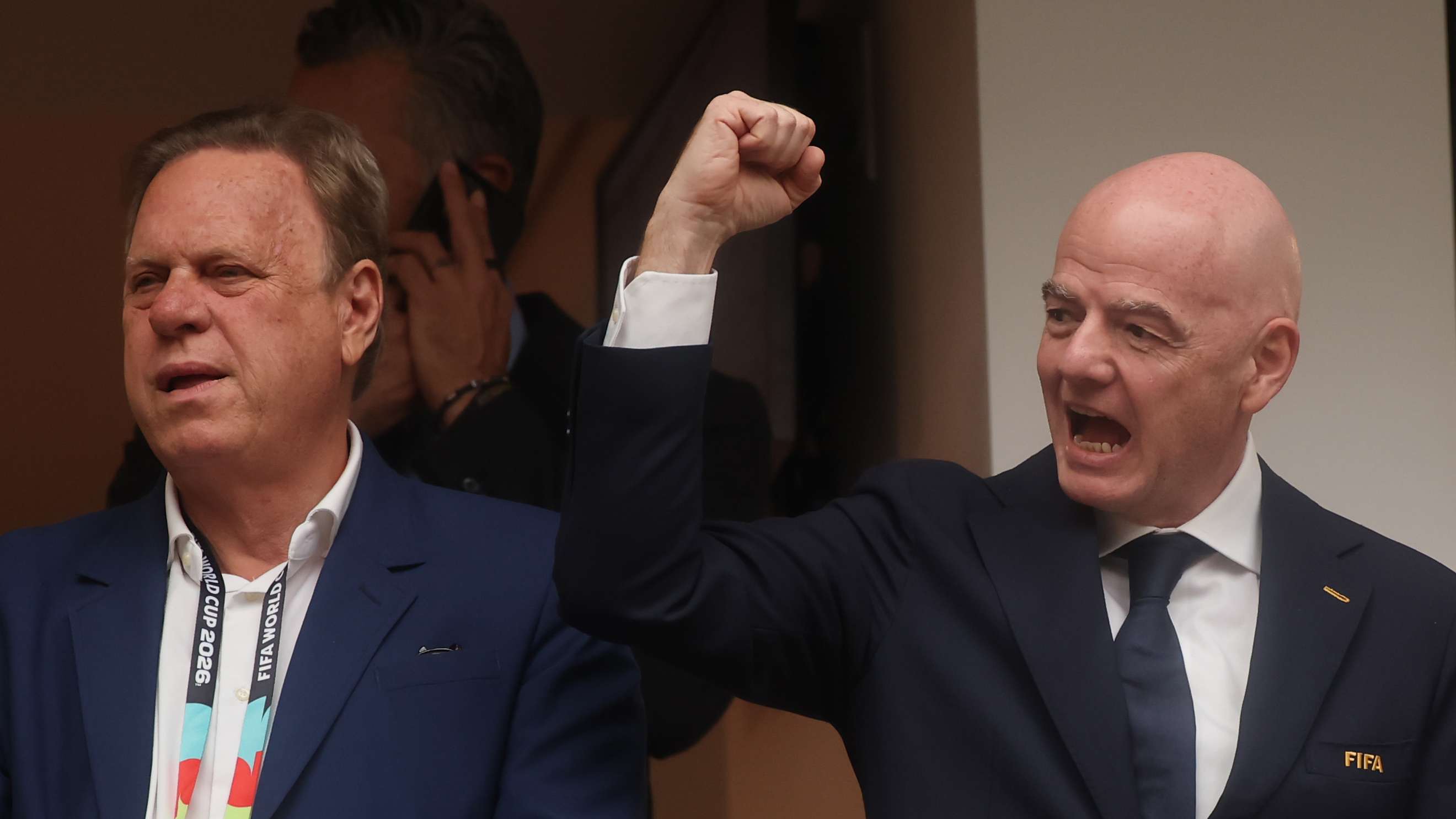
A seismic shift has rocked the global football landscape as the CONCACAF confederation has officially aligned with their European counterparts in opposing Gianni Infantino’s new commercial restructuring plan. This move has left the FIFA president in a precarious position, facing opposition from two of the most influential continents in world football.
Unanimous Rejection by 41 Member Associations
During an extraordinary session held recently, CONCACAF unanimously voted against the “FIFA Forward Enterprise” proposal, with all 41 member associations standing in opposition. In an official statement, CONCACAF emphasized the importance of keeping the future of football and its key assets within the football family’s control.
The confederation expressed concerns over the lack of legal procedures, an artificial deadline, and the absence of review or approval by FIFA’s administrative bodies. Additionally, they questioned the necessity of private capital following the highly profitable recent World Cup.
FIFA’s Justification and Response
Infantino’s plan revolves around establishing a subsidiary company to oversee the business operations of major tournaments such as the World Cup and the Club World Cup. The proposal aims to generate initial capital of up to $4.2 billion, with a market value of $20 billion, by selling minority stakes without controlling power to private-sector investors.
Contrary to CONCACAF’s concerns, FIFA asserts that the net profits from this new company will be reinvested in global game development, with funding for member associations set to increase significantly in the coming cycles.
In response to CONCACAF’s rejection, FIFA emphasized its commitment to transparency and good governance, promising clarity on how the organization’s reserves are utilized and reiterating its adherence to established governance protocols.
UEFA’s Boycott Threat and Infantino’s Dilemma
The timing of CONCACAF’s decision could not have been worse for Infantino, as it closely followed UEFA’s announcement of a potential boycott of all FIFA competitions as long as the plan to sell stakes in the World Cup remains active.
Infantino, who had hoped for support from the Americas’ confederations to counter European resistance, now faces a challenging situation with another key ally turning against him. The outcome of this conflict could determine the future ownership of the world’s most beloved sport.
As the battle between FIFA and its confederations intensifies, the football world watches closely to see how this power struggle unfolds and what implications it may have for the sport on a global scale.
Impact on Global Football Governance
The opposition from CONCACAF and UEFA signifies a growing divide within FIFA’s governance structure, with some member associations expressing concerns over the potential commercialization of key football tournaments. This rift highlights the complex relationship between financial interests and the traditional values of the sport, raising questions about who should ultimately control and benefit from the revenue generated by football’s most prestigious events.
By rejecting the “FIFA Forward Enterprise” proposal, CONCACAF and UEFA are asserting their influence and advocating for a more transparent and inclusive approach to decision-making within the organization. This move could prompt a larger conversation about the balance between commercial opportunities and the integrity of the game, especially as FIFA seeks to expand its revenue streams through private investments.
Stakeholder Engagement and Consultation
One key issue raised by CONCACAF and UEFA is the lack of consultation and involvement of member associations in the development of FIFA’s new commercial plan. The confederations argue that decisions of this magnitude should be made collectively, with input from all stakeholders to ensure that the best interests of global football are represented.
This dispute underscores the importance of effective communication and collaboration between FIFA and its member associations, as well as the need for greater transparency in decision-making processes. Moving forward, it will be crucial for FIFA to engage in meaningful dialogue with its stakeholders to address concerns and build consensus on the organization’s strategic direction.
Financial Sustainability and Development Initiatives
While FIFA has presented the “FIFA Forward Enterprise” as a means to increase funding for game development and member associations, the skepticism from CONCACAF and UEFA raises questions about the long-term financial sustainability of the proposal. Critics argue that relying on private capital to fund key football operations could compromise the autonomy and values of the sport.
As the debate over FIFA’s commercial restructuring continues, it is essential to consider alternative approaches to financing football development that prioritize the interests of the global football community. Balancing financial growth with the preservation of football’s core principles will be crucial in ensuring the sport’s continued success and relevance on the world stage.
Future of FIFA and Global Football
The current standoff between FIFA and its confederations sets the stage for a critical moment in the governance and direction of global football. The outcome of this conflict will not only impact the ownership and management of major tournaments but also shape the values and priorities of the sport for years to come.
As stakeholders continue to voice their concerns and advocate for greater transparency and accountability within FIFA, the organization faces a pivotal decision about its future trajectory. By addressing the issues raised by CONCACAF and UEFA in a collaborative and inclusive manner, FIFA can demonstrate its commitment to upholding the integrity and spirit of football on a global scale.
Ultimately, the resolution of this dispute will determine the path forward for FIFA and the broader football community, influencing how the sport is governed, financed, and experienced by fans around the world.