
Jürgen Klopp Addresses Uli Hoeneß’s Criticism Over Staff Appointment During Bundesliga Opener
In a recent and highly discussed development within the world of German football, national team head coach Jürgen Klopp publicly responded to criticism from Bayern Munich’s legendary figure Uli Hoeneß concerning the appointment of Marc Kosicke as part of his coaching staff. The incident unfolded amid the vibrant atmosphere of the Bundesliga season opener between Bayern Munich and VfB Stuttgart, which saw Bayern dominate with a commanding 5-1 victory. Klopp’s calm yet firm reaction sheds light on the evolving landscape of football management and the importance of staff roles in shaping team success.
The Background: Uli Hoeneß’s Controversial Remarks
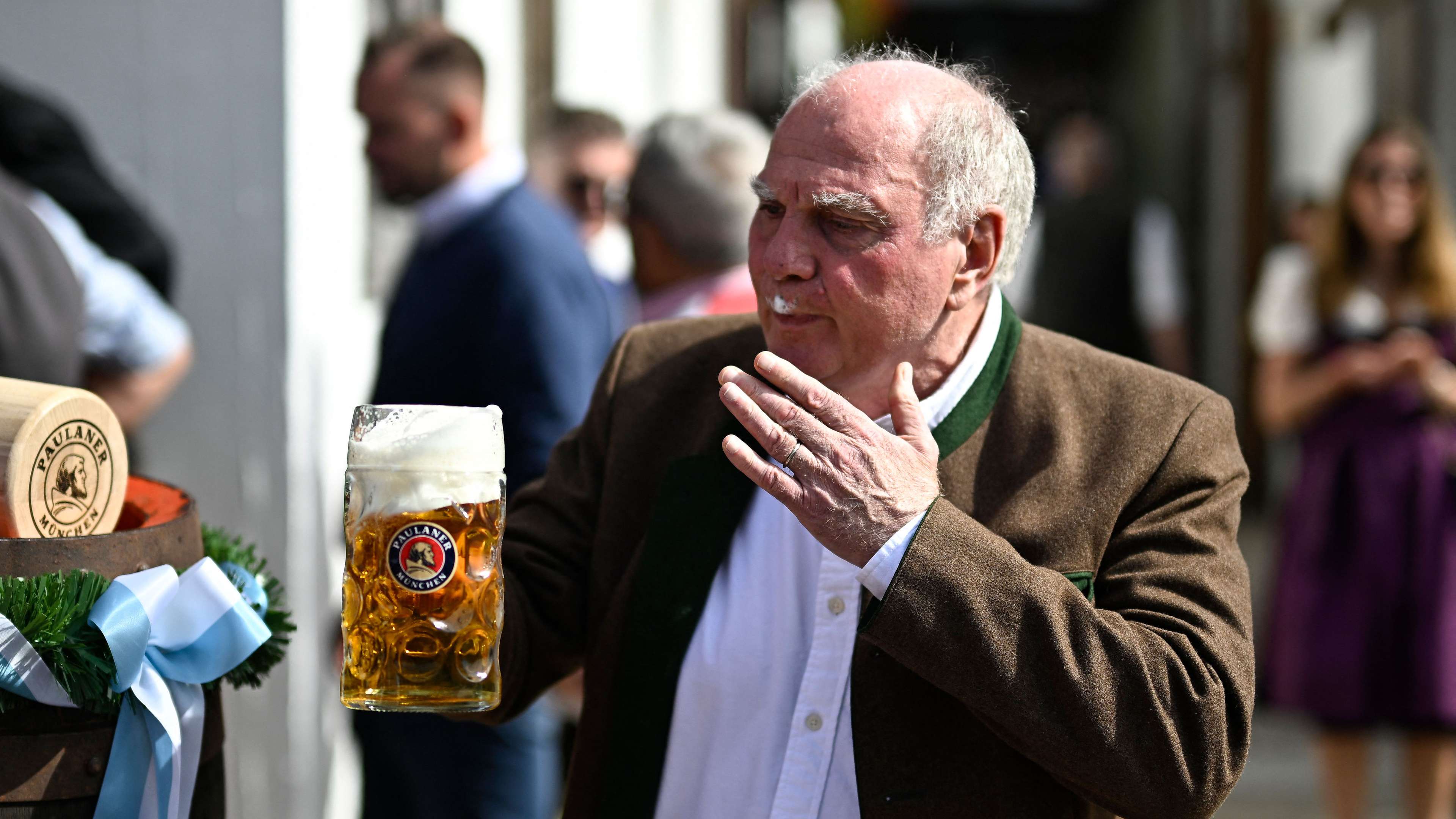
Uli Hoeneß, a revered figure in German football and Bayern Munich’s honorary president, voiced strong criticisms regarding Klopp’s decision to involve Marc Kosicke in his coaching setup. The controversy centers on Kosicke’s role, which was officially designated as “assistant coach for strategy, development, and innovation” — a position that, until his appointment, did not formally exist within the coaching hierarchy.
Hoeneß argued that this move represented a “friendly takeover” of the national team’s coaching staff by Klopp, implying a problematic influence of club football politics on the national setup. The Bayern icon expressed concerns that such appointments could undermine traditional coaching structures and questioned the transparency of the process, suggesting that the role was more about influence than function.
Klopp’s Reaction: Calm, Confident, and Defending Staff Expansion
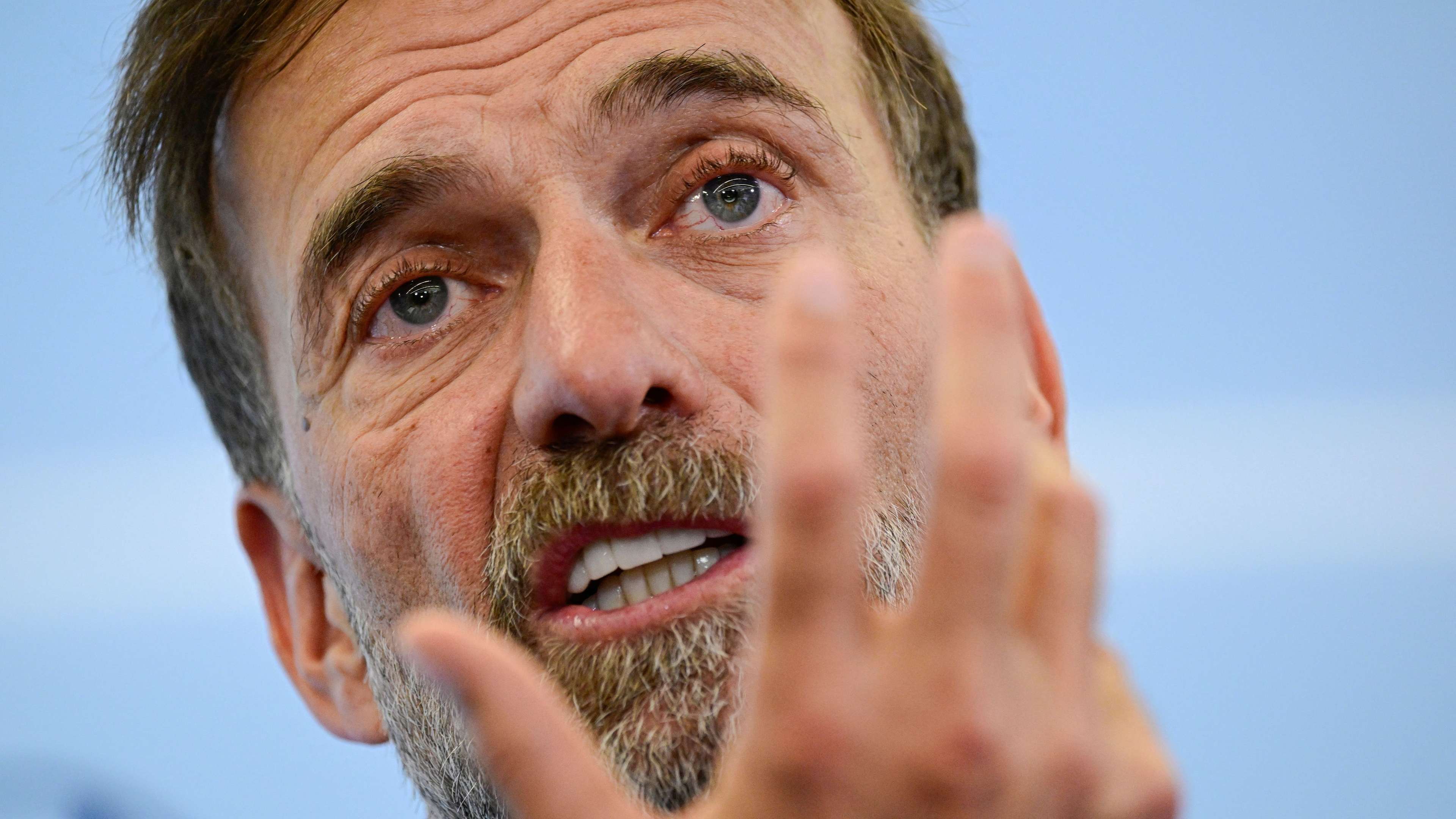
When asked about Hoeneß’s remarks during the Bundesliga opener, Jürgen Klopp responded with a composed demeanor, emphasizing that the criticism was largely irrelevant to him. He highlighted that he has worked closely with Kosicke for over two decades, underlining the depth of their professional relationship and the high regard he holds for his adviser.
“I understand the criticism,” Klopp stated, “but I believe it’s premature to judge before we’ve had the chance to demonstrate the value of this role. People tend to judge things without seeing the full picture.”
He further explained that his decision to expand his staff was based on strategic necessity and expertise. Klopp pointed out that within football, clear division of roles is essential for success. “In certain areas, I am a specialist. In others, there are better people. That’s why Mark Kosicke is involved — because he is one of the best I have ever worked with,” Klopp added.
Klopp’s defense underscores a broader trend in contemporary football where coaching staffs are increasingly specialized. The modern game demands expertise in areas such as tactical innovation, sports science, data analysis, and player development. As a result, coaches like Klopp are building multifaceted teams to optimize performance on and off the pitch.
Additionally, Klopp addressed the public’s expectations and the pressures of leadership, reflecting on how managerial decisions are scrutinized. “When the roles were still being clarified, many doubted whether such changes could be made,” he remarked. “But I am confident that in a year’s time, the impact of these staff members will be clear, and the role of Marc Kosicke will be fully recognized.”
The controversy extends beyond Klopp, touching on the influence of Bayern Munich within German football. Uli Hoeneß’s comments sparked a debate about the perceived dominance of Bayern in shaping national team decisions, with some critics accusing the club of exerting undue influence over the German Football Association (DFB).
In response, DFB vice-president Hans-Joachim Watzke dismissed Hoeneß’s claims, emphasizing that the recent appointments of Julian Nagelsmann and Hansi Flick as Germany head coaches, both former Bayern managers, did not constitute a “friendly takeover.” “There is no connection between Bayern’s influence and the national team’s coaching staff,” Watzke insisted, pointing out that the coaching decisions are based on merit and strategic planning rather than club loyalties.
Other DFB vice-presidents, including Ralph-Uwe Schaffert and Hermann Winkler, echoed Watzke’s stance, rejecting the narrative of Bayern’s dominance as a threat to the integrity of German football management.
Despite the initial tensions, recent reports suggest that the conflict has begun to dissipate. According to Sky Sports, Bayern Munich’s honorary president Uli Hoeneß personally reached out to Kosicke in a phone call, aiming to resolve misunderstandings and foster a more collaborative atmosphere.
Sources indicate that the conversation was conducted in a positive and constructive manner, signaling a possible easing of tensions among key football figures. This development highlights how dialogue and mutual respect are crucial in maintaining the unity and integrity of German football at both club and national levels.
As the German football landscape evolves with new coaching philosophies and staff structures, experts and fans alike are eager to see how these changes will influence team performance in upcoming internationals and tournaments. Many are now turning their attention to predictions for future matches, considering the strategic shifts underway.
Predictions for upcoming fixtures suggest that the German national team, under Klopp’s leadership, is poised to develop a more dynamic and innovative style of play. The integration of specialized staff like Kosicke is expected to contribute significantly to tactical flexibility and player development, potentially positioning Germany as a formidable contender in future European Championships and World Cups.
The recent exchanges between prominent figures like Jürgen Klopp and Uli Hoeneß reflect a broader transformation within football management — one that values expertise, strategic innovation, and open dialogue. Klopp’s measured response to criticism underscores a leadership style rooted in confidence and professionalism, emphasizing that staff roles are vital for success in the modern game.
As German football continues to adapt to these new dynamics, fans and analysts will be watching closely to see how these developments translate into on-field success. With predictions leaning toward a promising future, the football community remains optimistic that strategic staff expansion and leadership transparency will elevate Germany’s national team to new heights in international competitions.
The Significance of Staff Roles in Modern Football
Broader Football Politics: The Role of Bayern Munich’s Influence
The Resolution: A Constructive Conversation
Implications for the Future of German Football and Predictions
Conclusion: A New Era in German Football Management