
Chivu Takes Responsibility After Inter’s Dramatic Defeat
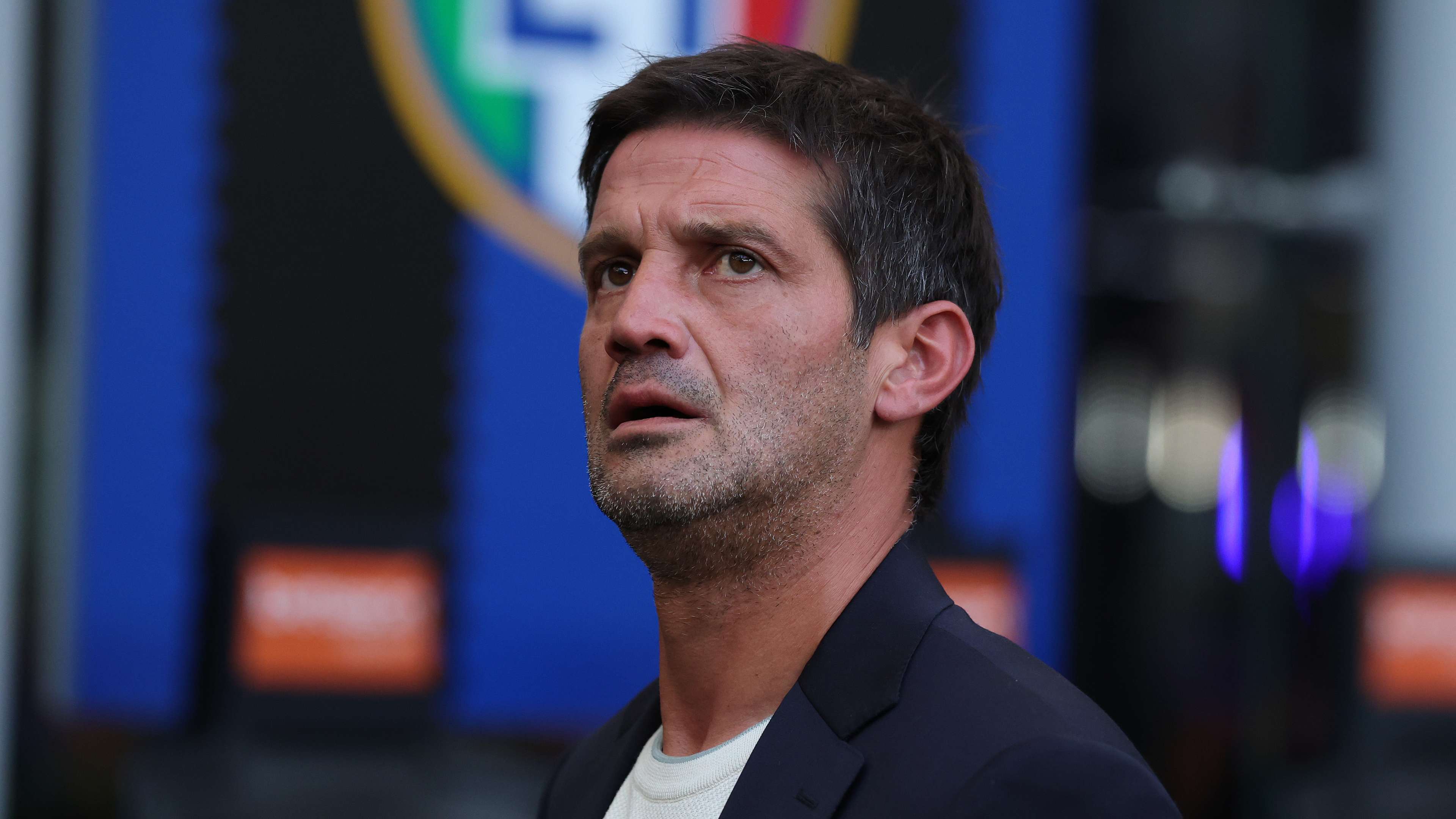
Cristian Chivu did not look for excuses after Inter suffered a dramatic defeat at San Siro. Instead, the coach placed responsibility for the result firmly on himself, acknowledging that his decisions and preparation had not been enough to help the Italian side contain an energetic Club Brugge team.
Inter showed flashes of quality and attacking intent, but those moments were not sustained for long enough to control the contest. Brugge pressed with purpose, competed aggressively and repeatedly disrupted the hosts’ rhythm. By the final whistle, the home crowd had been left disappointed, while the visitors could celebrate a performance built on intensity and belief.
Inter’s Bright Moments Were Not Enough
The defeat was especially frustrating for Inter because the team was not without promising spells. The hosts found ways to move forward and create pressure, demonstrating the technical ability and attacking ambition expected of a leading Italian club. Yet isolated bursts of good football could not compensate for the gaps that appeared when Brugge increased the tempo.
Inter struggled to turn possession into consistent control. When the hosts advanced, Brugge were quick to close down space and challenge for the ball. That pressure made it difficult for Inter to build attacks smoothly, forcing players into hurried decisions and limiting the team’s ability to dictate where the match was played.
The contrast between the sides was not simply a matter of individual skill. Brugge’s collective energy gave them an advantage in key phases, particularly when Inter were trying to settle into the game. The Belgian visitors looked prepared to fight for every loose ball and exploit any moment of hesitation. For Inter, the challenge was to match that urgency while retaining the composure needed to make their technical strengths count.
Chivu’s Honest Assessment Puts the Focus on Accountability
Chivu’s willingness to accept the blame stood out after the result. Coaches often point to missed chances, refereeing decisions or difficult circumstances when explaining a loss, but his response focused instead on his own role. That approach signals accountability and gives the squad a clear message: the responsibility for improving begins with the coaching staff as well as the players.
Taking ownership does not mean that every problem can be traced to one person. Football matches are shaped by decisions made across the pitch, and Inter’s players will also need to examine how they responded to Brugge’s pressure. Still, a coach’s public assessment can influence how a team reacts. Chivu’s comments may help prevent the result from becoming an excuse-filled debate and turn attention toward practical solutions.
Those solutions could include improving the team’s response when opponents press high, maintaining better distances between midfield and defence, and showing greater patience in possession. Inter will also need to be more alert during transitions, when a lost ball can quickly become an opportunity for the opposition. These are familiar challenges in elite football, but they become particularly important against a side willing to attack with speed and conviction.
Club Brugge’s Relentless Approach Pays Off
Brugge’s performance deserves recognition in its own right. The visitors did not arrive at San Siro simply to defend and hope for a favourable moment. Their energy and willingness to challenge Inter directly made the match uncomfortable for the hosts, while their pressure helped turn the contest into a demanding test of concentration.
That approach reflects a wider feature of modern European football: reputation alone rarely decides a match. Established clubs can be vulnerable when an opponent combines disciplined organisation with confident pressing and quick movement. Brugge appeared ready to exploit those conditions, showing that tactical commitment and collective effort can narrow the gap between teams with different levels of resources and history.
For the Belgian side, the result can provide a meaningful boost. A strong showing away from home offers evidence that the squad can compete under pressure, while beating a high-profile opponent can strengthen belief ahead of future fixtures. The challenge now is to build on the performance rather than treat it as a one-off achievement.
What the Defeat Means for Inter
For Inter, the immediate priority is to respond constructively. One disappointing result does not erase the team’s quality, but it can expose weaknesses that opponents may try to target in the weeks ahead. The coaching staff will need to identify whether Brugge’s success came mainly from a tactical mismatch, a lack of sharpness, or problems with execution under pressure.
Inter’s response will be judged not only by the result of their next match but by the changes visible in their performance. Better support for the player in possession, quicker movement off the ball and more decisive defensive reactions could help restore control. Equally, the team must avoid becoming predictable when trying to break through compact pressure.
The defeat also offers a reminder that a strong start or a few promising attacking passages are not enough at this level. Consistency across the full match is essential. Inter must be able to defend as a unit, manage momentum and remain composed when an opponent refuses to let them settle.
Prediction: Inter Will Be Eager to Respond
Any football prediction following a result like this should account for both the disappointment and the quality within Inter’s squad. The loss may prompt a sharper, more focused response, particularly with Chivu taking public responsibility and the players facing pressure to show improvement. However, a quick recovery will depend on whether the team can translate that motivation into more controlled performances.
Brugge, meanwhile, will be encouraged by the effectiveness of their approach. Their victory could strengthen confidence, but maintaining the same intensity in future matches will be crucial. Opponents are likely to study how they disrupted Inter and look for ways to counter that pressure.
For supporters, the most important question is not simply whether Inter can win their next fixture, but whether they can address the weaknesses exposed at San Siro. Chivu’s candid response provides a starting point. The next step is a visible improvement in organisation, decision-making and resilience. Inter remain a team with the talent to compete, but this defeat has made clear that reputation and flashes of attacking quality cannot replace sustained control.
A Defining Test of Character
Chivu’s decision to shoulder responsibility may help set the tone for Inter’s recovery, but the team’s actions will ultimately matter more than the post-match comments. The players must respond with greater cohesion, while the coaching staff must ensure the lessons from Brugge’s performance are applied on the pitch.
San Siro has seen Inter produce memorable football, and the supporters will expect a reaction rather than a repeat of the same problems. The defeat was a setback, but it can also become a useful reference point: a reminder of what happens when intensity, structure and concentration fall short. How Inter respond will reveal whether this result becomes a turning point or simply another difficult night in a long season.