
China Acknowledges Mbappé’s Apology, but La Liga Boycott Remains in Place
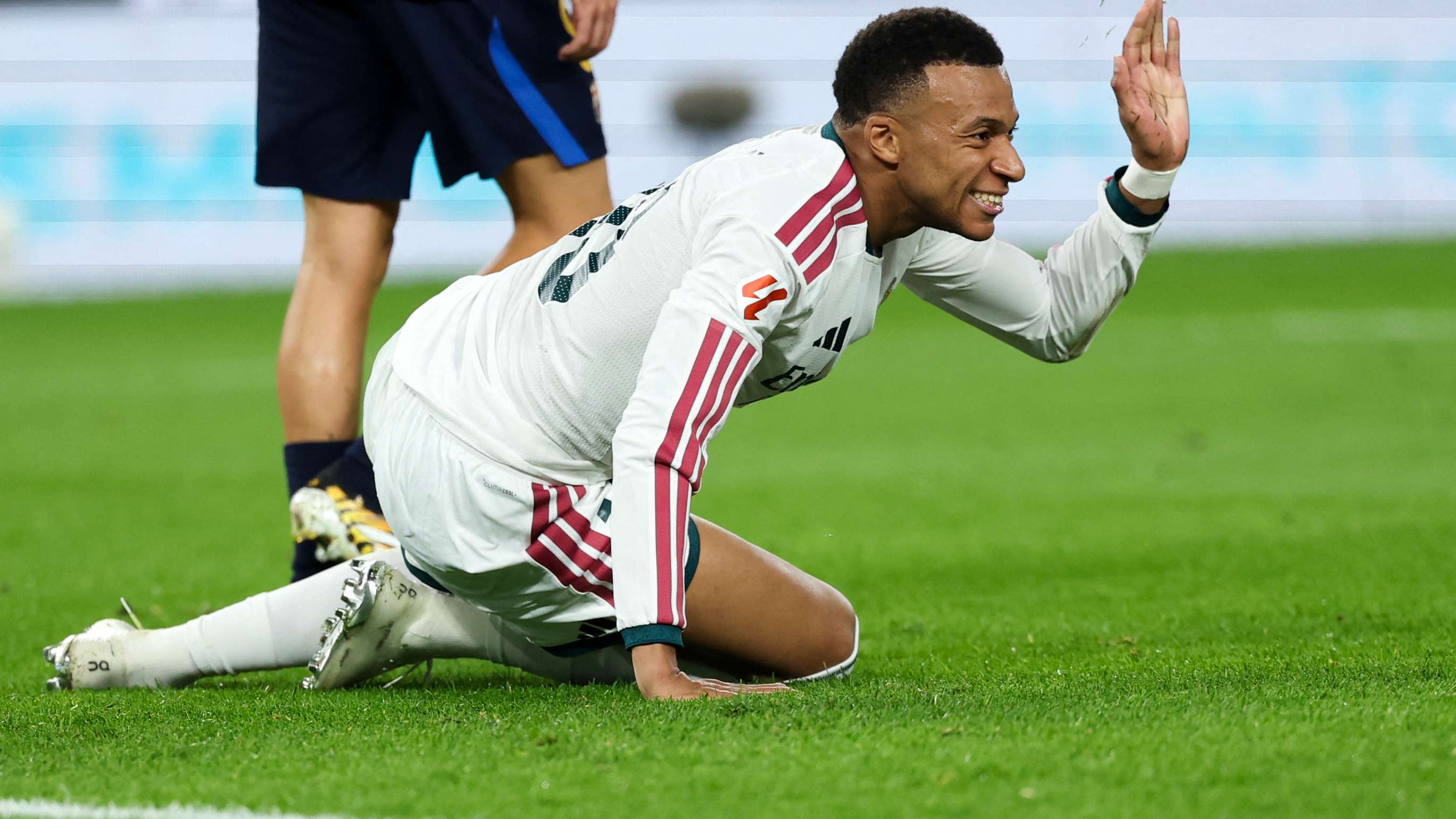
China has acknowledged Kylian Mbappé’s public apology after comments about a satirical image involving the French football star sparked a diplomatic and commercial dispute. But Beijing has offered no indication that it will lift restrictions on the player or resume broadcasts of Spain’s La Liga, leaving the crisis unresolved.
At a Wednesday briefing, Chinese Foreign Ministry spokesperson Guo Jiakun said authorities attached importance to the apology. When asked whether Mbappé’s statement could help end the boycott, Guo repeated the same response without confirming that any change was under consideration.
The careful wording leaves uncertainty for football fans, broadcasters and sponsors. While the apology has been received, Chinese officials have not publicly said whether they consider it sufficient to repair the damage or restore the commercial and media relationships affected by the controversy.
What Mbappé Said in His Apology
Mbappé published an apology on Tuesday in French, Chinese and English. He described his earlier remark as a “slip of the tongue,” acknowledged that his words had hurt people in China and Chinese communities overseas, and expressed deep respect for the Chinese people and their history.
The controversy began with an interview in which Mbappé referred to a satirical composite image showing his face on the body of a “Chinese dictator.” He did not name the historical figure, but the reference was widely understood to be to Mao Zedong, the founding leader of the People’s Republic of China.
That context matters because Mao remains a powerful and sensitive figure in China’s national story. The Communist Party presents his leadership as central to the country’s recovery of sovereignty after what it calls the “century of humiliation.” At the same time, the party has acknowledged the devastating consequences of policies associated with his era, including the Great Leap Forward and the Cultural Revolution.
For international athletes and clubs, the episode is a reminder that a comment intended as humour or personal expression can carry a very different meaning in another cultural and political setting. In an era when interviews and social media clips travel globally within minutes, public figures face growing pressure to understand how references to national history may be received abroad.
Commercial Fallout Spreads Beyond the Player
The reaction has extended well beyond criticism of Mbappé himself. Major Chinese companies, including Dongpeng, Mengniu and Milk Ground, reportedly moved to end or distance themselves from commercial partnerships connected to the player. His content has also faced restrictions on Chinese digital platforms.
La Liga has been caught in the wider fallout. Chinese state television suspended broadcasts of the Spanish competition from Monday, 26 October, disrupting access for viewers in a major international market. The decision affects more than one player or club: it puts the league’s visibility, sponsorship opportunities and future commercial cooperation in China at risk.
That makes the dispute significant for football business as well as public relations. China is an important audience for major European competitions, and broadcast access can support advertising, merchandise sales and long-term fan engagement. If the suspension continues, clubs and league officials may have to reassess how they manage partnerships and public communication in the region.
La Liga and Real Madrid Seek to Contain the Crisis
La Liga moved quickly to limit the damage, issuing an apology and stressing the importance of its relationship with China. League president Javier Tebas met Chinese ambassador Yao Jing in Spain on Tuesday to discuss the dispute and protect existing cooperation agreements. Tebas described China as a “strategic partner,” underlining the potential economic consequences of a prolonged breakdown.
Real Madrid also sent a formal letter of apology. China Media Group (CMG), which owns the official broadcaster CCTV, said it had received the letter through La Liga. In excerpts released by CMG, the club said it held deep respect for China, its history, culture and people, and wanted to continue strengthening its relationship with the country.
The club’s statement joined Mbappé’s personal apology, but neither message has yet produced a visible change in broadcasting or advertising restrictions. CMG did not announce that La Liga matches would return to television, nor did it say that content or promotions featuring Mbappé would be restored.
Why the Apologies Have Not Ended the Dispute
The lack of an immediate response reflects the difference between acknowledging an apology and accepting it as a resolution. A statement from a government spokesperson can recognize that an apology has been made without promising a policy change. Meanwhile, other Chinese organisations have taken a firmer position.
A sports and youth organisation affiliated with CMG rejected Spanish media reports that characterised Mbappé’s comment as a personal expression rather than an intended insult. It argued that the remarks crossed the limits of acceptable expression and said Real Madrid could not avoid responsibility for the conduct of its player. The organisation warned that there would be no room for discussion without a satisfactory apology.
That response suggests the issue is no longer limited to the wording of Mbappé’s original remark. Chinese stakeholders may also be looking for a clear acknowledgement of the offence, a response from the club and reassurance that the relationship will be treated with care in future. Whether the existing letters meet those expectations remains unclear.
What Happens Next for Football Fans?
For now, there is no confirmed timetable for the return of La Liga broadcasts in China. Fans will be watching for further statements from CMG, Chinese authorities, Real Madrid and league officials. Any move to restore coverage could depend on whether officials believe the apologies have addressed the concerns raised—and whether both sides can agree on a way forward.
There is also no reliable prediction for how quickly the commercial restrictions might change. Sponsors may wait for signs of progress before reconsidering their relationships, while broadcasters could maintain the suspension until the dispute is formally resolved. The situation remains fluid, and public statements alone may not be enough to restore confidence.
Ultimately, the episode highlights the global reach and vulnerability of modern football. A single remark can affect a player’s image, a club’s reputation, league broadcasting and corporate partnerships across borders. Mbappé has apologised, and Real Madrid and La Liga have made efforts to repair relations, but Beijing’s cautious response shows that the path back to normality is still uncertain.