
Real Madrid’s 3-0 Win Overshadowed by China Broadcast Blackout
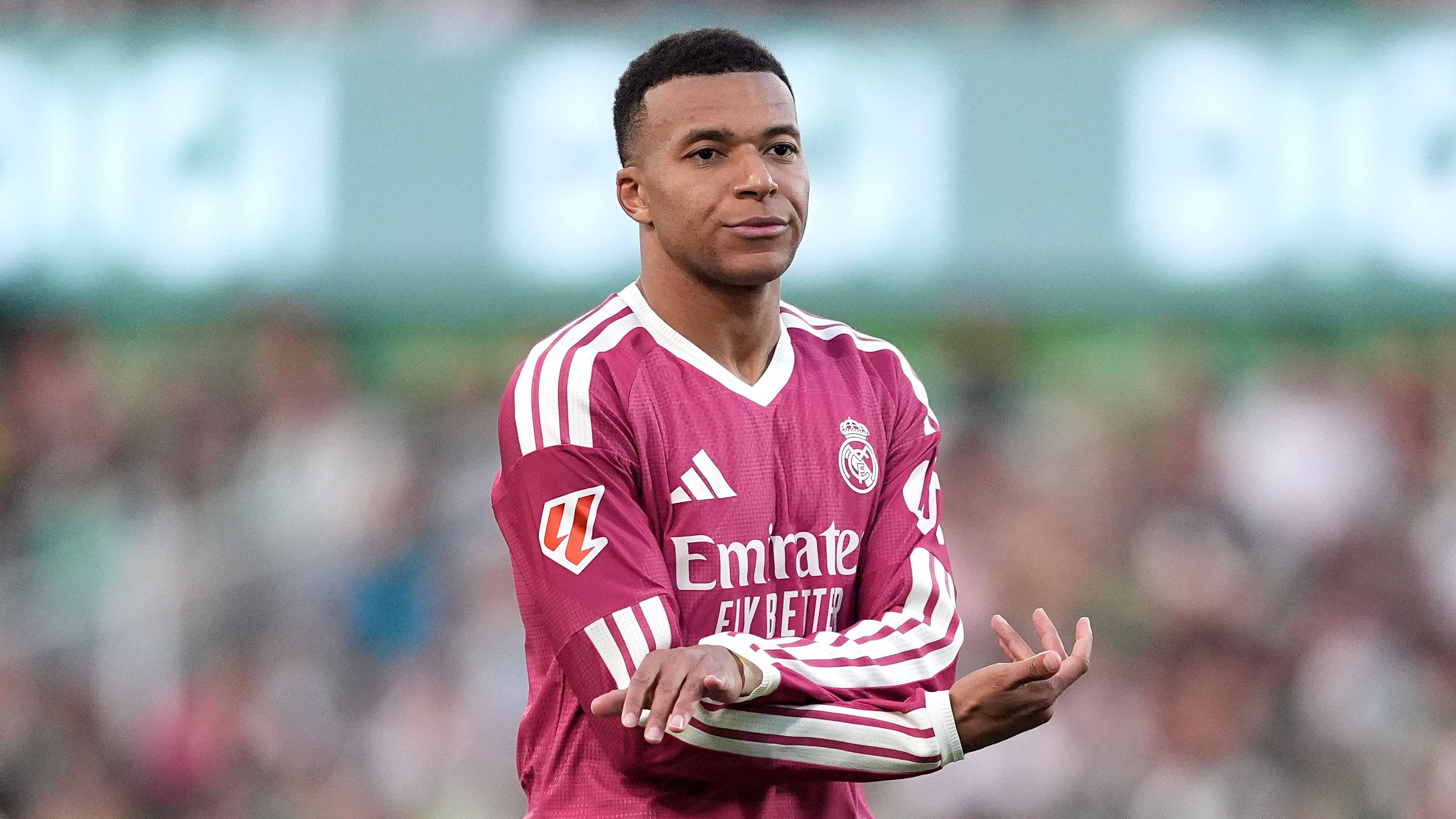
Real Madrid continued their strong run of form with a convincing 3-0 victory over Racing Santander, but the result was accompanied by an unusual off-field controversy. The club’s La Liga match was not shown on Chinese television or the country’s leading sports-streaming platforms, following anger over a video clip featuring Kylian Mbappé and remarks about former Chinese leader Mao Zedong.
The blackout highlighted how quickly a football story can grow beyond the pitch. While Madrid’s players were celebrating an important win, supporters in China were left without access to the broadcast—a development that could have consequences for the club’s relationship with a major international audience.
Mbappé Video Sparks Backlash
The controversy began after a clip circulated in which Mbappé reportedly described Mao Zedong as a dictator. The comments prompted a strong reaction among some Chinese viewers and online users, with criticism spreading across social media. The resulting dispute drew attention well beyond the original footage and placed the French forward’s remarks at the centre of a wider conversation about public figures, political sensitivity and international media.
According to reports from French outlet Foot Mercato and news agency Agence France-Presse, neither of the two sports channels operated by China’s national broadcaster, CCTV, showed Real Madrid’s match against Racing Santander. The game was also absent from Migu, a prominent Chinese digital streaming service that carries sports coverage.
The decision followed warnings linked to the controversy, suggesting that the absence was not simply a routine scheduling change. Although the precise reasoning behind broadcast decisions can be difficult to establish from outside the relevant organizations, the timing made the connection to the Mbappé clip difficult to ignore.
A conspicuous absence in La Liga coverage
The situation appeared broader than one Real Madrid fixture. AFP reported that no matches from that round of La Liga had been shown on Chinese television at the time, even as coverage continued on digital platforms for selected games. Migu, for example, streamed Barcelona’s 6-1 win over Deportivo Alavés on Saturday.
That contrast made Madrid’s absence especially noticeable. Chinese fans could watch Barcelona’s emphatic performance but could not follow the match involving Mbappé and Real Madrid. The difference raised questions about whether the interruption reflected a wider broadcast decision, a response focused on the Madrid fixture, or a temporary change in coverage while the controversy developed.
For international football rights holders, broadcasters and clubs, such distinctions matter. A single missing match may not signal a permanent change, but it can disrupt viewing plans, frustrate supporters and draw attention to the influence that local media decisions can have on global sports coverage.
Madrid Deliver on the Pitch
On the field, Real Madrid were largely unaffected by the surrounding headlines. They secured a comfortable 3-0 victory over Racing Santander at El Sardinero, controlling the contest and taking full advantage of their opportunities. The result extended Madrid’s positive momentum and provided a valuable boost in the La Liga standings.
The victory helped the club reduce the gap to league leaders Barcelona to three points while strengthening Madrid’s position in third place. In a closely contested title race, every win carries weight, particularly when rivals are also collecting points. Madrid’s performance therefore offered a clear sporting message: despite the noise away from the stadium, the team remained focused on its immediate objective.
That contrast created an unusual narrative. Madrid enjoyed a significant result in Spain, yet the match was largely invisible to viewers using some of China’s most important sports channels and services. The club’s success and the broadcast controversy unfolded at the same time, turning an ordinary league fixture into a story about both football and international media relations.
What the Blackout Could Mean for Real Madrid
China is an important market for European football, with a large audience for major clubs, star players and high-profile competitions. Broadcast access helps supporters follow teams, but it also supports commercial partnerships, sponsorship exposure and the international visibility of players such as Mbappé. A disruption to coverage can therefore have consequences that extend beyond one matchday.
For Real Madrid, the immediate impact was that Chinese fans missed the team’s 3-0 win. The longer-term effect remains uncertain. The broadcast absence does not, on its own, establish that Madrid’s matches will remain unavailable or that the club’s commercial relationships in China have changed. Future coverage, statements from broadcasters and any response from the club could help clarify whether the incident was temporary or part of a broader reaction.
The episode also illustrates the risks that global athletes face when comments—whether made in an interview, private setting or circulating video—reach audiences with different political and cultural expectations. In the digital era, short clips can travel rapidly, lose context and trigger reactions across borders before a club or player has time to respond.
Prediction: attention turns to the next fixtures
Madrid’s next matches will provide an opportunity to maintain their league momentum, while the club’s handling of the controversy may influence how the story develops off the pitch. Any prediction about the broadcast situation should remain cautious: one missed game is not enough to confirm a lasting blackout. However, if Chinese platforms continue to omit Madrid fixtures, pressure could grow for clearer explanations and a resolution that restores access for supporters.
For now, Real Madrid can take confidence from a decisive result and the chance to keep pace near the top of La Liga. Yet the club’s 3-0 win has become more than a football score. It is also a reminder that modern clubs operate on a global stage where a player’s comments can quickly affect the viewing experience of fans thousands of miles away.