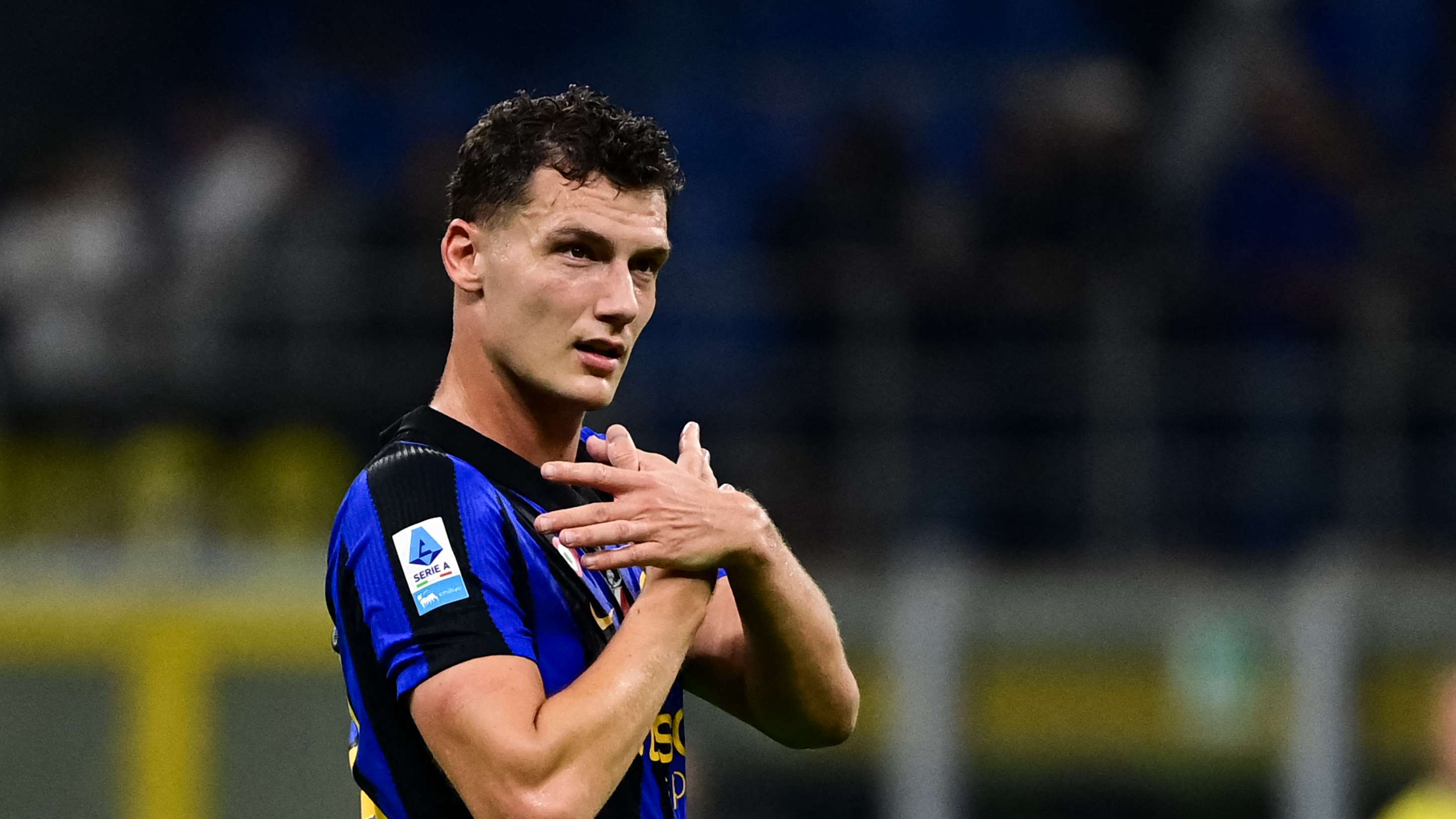
Cesari says Milan were denied a penalty in Sassuolo clash
Former Italian referee Graziano Cesari has criticised the officiating in Sassuolo’s match against AC Milan, arguing that the visitors should have been awarded a penalty and that Sassuolo forward Armand Laurienté should have been sent off. Speaking on Mediaset’s Pressing, Cesari reviewed two incidents that he believes deserved more decisive intervention from the referee and VAR.
His assessment has added fresh debate to a fixture in which decisions inside and around the penalty areas proved significant. For Milan supporters, the central question is whether a first-half holding incident involving Gonçalo Ramos was overlooked. Cesari also questioned why Laurienté was not shown a card after a challenge on Gila, suggesting the force and height of the contact warranted closer scrutiny.
Why Cesari believes Milan should have had a penalty
The former official focused first on an incident in Sassuolo’s penalty area involving Ramos and defender Duje Ćaleta-Car. Cesari said the Sassuolo defender wrapped his arms around the Milan forward while the ball was away from them. In his view, the action was not a routine physical contest for possession: because neither player was attempting to play the ball, the holding should have been punished.
“You cannot do that in football,” Cesari said, describing the defender’s action. He argued that the fact the ball was nowhere near the pair made the incident more serious, rather than less relevant. Holding an opponent away from the ball can prevent them from moving into a dangerous position, and it is precisely the kind of off-ball action that can be difficult for a referee to spot while following the main play.
Cesari’s criticism was directed at both the on-field decision and the video review. He reasoned that the referee may not have seen the contact because his attention was elsewhere, but said VAR should have identified the alleged holding and recommended a review. In his view, the incident met the threshold for a penalty and Milan were left without what he called a clear spot-kick.
A similar incident later in the match
To support his argument, Cesari compared the first-half episode with a later moment involving Ramos and Sassuolo defender Cinquegrano. On that occasion, the Milan striker was penalised after putting his arms around his opponent while the ball was away from them.
Cesari highlighted what he saw as an inconsistency: a similar type of off-ball contact was punished when committed by a Milan player, while the earlier action by a Sassuolo defender went uncalled. That comparison does not, by itself, settle whether the two incidents were identical in every detail. The position of the players, the degree of restraint and the effect on the opponent all matter when officials judge holding. But Cesari’s point was that the standard should be applied consistently, regardless of which team commits the offence.
The episode also illustrates a broader challenge for match officials. Referees must track the ball and the immediate contest, yet penalties can be decided by contact happening just outside their direct line of sight. VAR is intended to provide a second look at clear and obvious errors, including incidents that the referee could not reasonably observe in real time. Whether the footage showed enough to justify an intervention remains a key part of the debate.
Laurienté challenge raises questions over discipline
Cesari also examined a challenge involving Laurienté and Gila near the Milan penalty area. As the Sassuolo forward moved towards the box, Gila stepped in and took the ball. Laurienté then returned towards the defender, prompting the referee to stop play and award a foul. However, no yellow or red card followed.
For Cesari, the location and height of the contact were important. He said the point of contact on Gila’s leg was “very high” and questioned why the referee did not even produce a yellow card. He also criticised VAR for not becoming involved, though video officials generally intervene on disciplinary matters only when there is a potential clear error involving a red card—not simply because a booking may have been missed.
That distinction is important when assessing the incident. A referee’s decision on whether a challenge merits a caution can involve judgement about speed, force, control and the risk to an opponent. A high contact point can be a serious warning sign, but it must be considered alongside the full sequence. Cesari’s view was that the challenge deserved stronger punishment; the match officials evidently reached a different conclusion at the time.
What the controversy means for Milan and Sassuolo
Disputed decisions can shape the story of a match, particularly when they occur in the penalty area or involve a potential sending-off. A penalty could have given Milan a valuable opportunity to alter the score and the rhythm of the contest, while a dismissal would have changed Sassuolo’s tactical options. Still, without knowing how either hypothetical decision would have affected the result, it is more accurate to describe them as potentially influential moments than to claim they determined the outcome.
For Milan, the incident involving Ramos will likely remain the most contentious part of Cesari’s review because it combines alleged holding, a possible penalty and a question about VAR’s responsibility. For Sassuolo, the Laurienté episode centres on the line between an ordinary foul and a challenge serious enough to warrant a card. Together, the two moments underline how different aspects of officiating—penalty decisions, consistency and player safety—can become intertwined in a single game.
Match prediction and the wider officiating debate
Any football prediction about the teams’ next performances should be treated separately from the refereeing discussion. A controversial call may influence confidence, media attention and preparation, but it does not automatically determine what either side will do in its next fixture. Form, squad availability, tactical match-ups and the quality of chances created remain more reliable factors when assessing future results.
Cesari’s comments nevertheless ensure that the Sassuolo-Milan match will be discussed beyond its scoreline. His verdict is clear: Milan should have received a penalty for the alleged holding on Ramos, while Laurienté should have faced a stronger sanction for his challenge on Gila. The debate now turns on whether the officials had sufficient reason to intervene and how VAR can help deliver consistent decisions without replacing the referee’s authority on the pitch.