
José Mourinho’s Return to Real Madrid: A Controversial Comeback Under Scrutiny
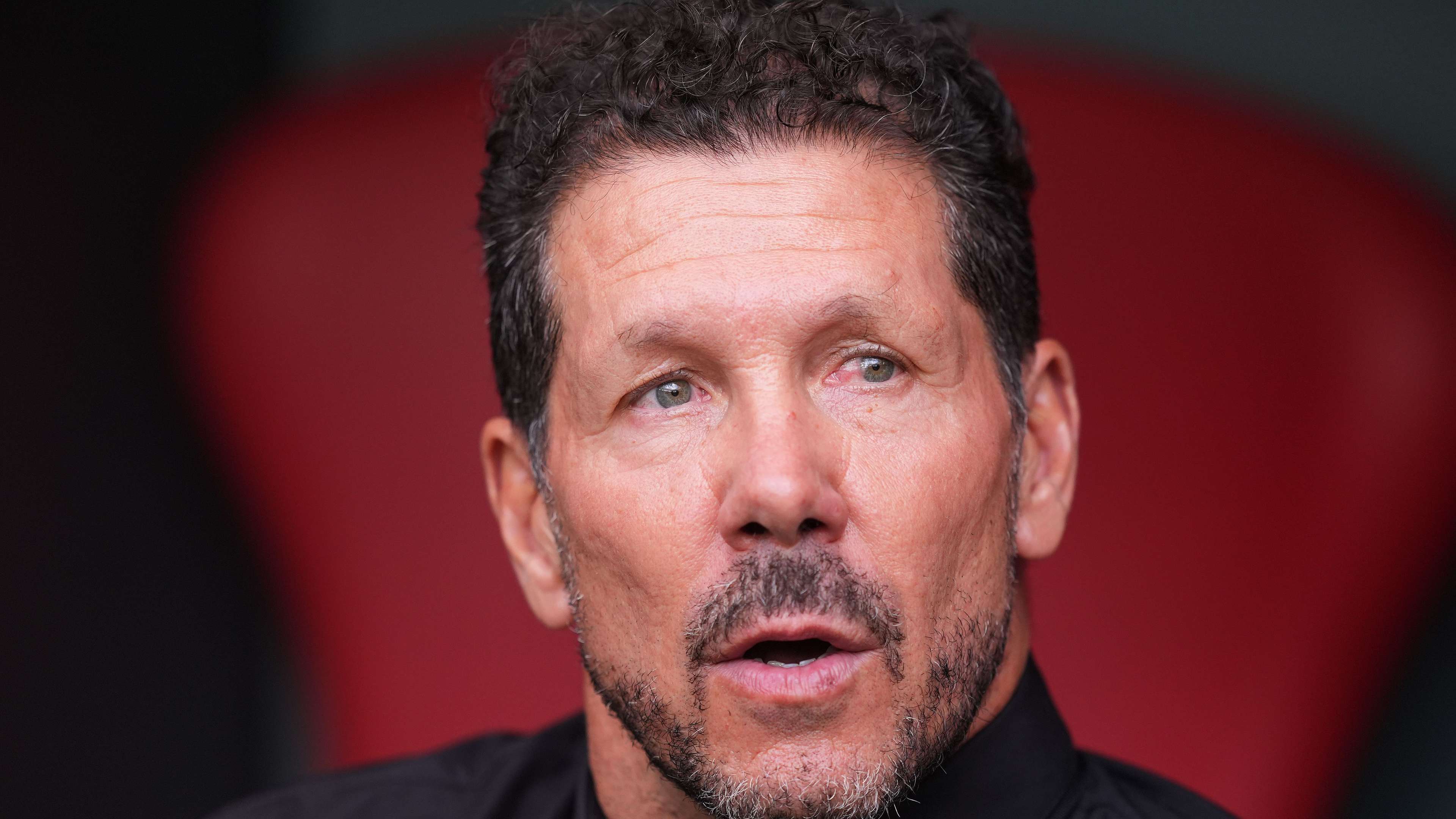
In the world of professional football, few figures evoke as much passion and debate as José Mourinho. The Portuguese coach’s recent return to Real Madrid has ignited intense discussions among fans, analysts, and media outlets alike. His comments following the recent Madrid derby—where Los Blancos suffered a 2-1 defeat to Atlético Madrid—have sparked widespread criticism, especially from the Catalan press, which questions whether his managerial style is truly beneficial for the club’s future.
The Post-Derby Controversy: Mourinho’s Referee Remarks Stir the Pot
After the fiercely contested Madrid derby, Mourinho did not hold back in criticizing the match officials. In particular, he directed sharp words at referee Miguel Ángel Ortiz Arias, suggesting that decisions influenced the game’s outcome unfairly. Mourinho’s outspoken stance quickly made headlines and drew ire from various quarters, with critics accusing him of deflecting attention from Madrid’s shortcomings and fueling controversy.
The Spanish sports newspaper “Sport” responded with a front-page headline reading “Stop harassing referees”, a pointed rebuke aimed at Mourinho’s rhetoric. The publication argued that such comments only serve to distract from the actual football and create unnecessary noise around the club. They contended that the focus should instead be on improving team performance, tactical discipline, and player development, rather than fueling conflicts with match officials.
Media Criticism: Does Mourinho’s Communication Overshadow Football?
According to “Sport,” Mourinho and his coaching staff have become more adept at managing the narrative in the media than at preparing their team on the pitch. The newspaper highlighted how the post-derby media frenzy has overshadowed the actual performance of the team, which has been plagued by inconsistency and tactical struggles. Such distractions, the article suggests, could be detrimental—giving rival teams extra confidence and momentum to exploit Madrid’s vulnerabilities.
Meanwhile, “Mundo Deportivo,” another prominent Catalan sports daily, took a different angle, criticizing Madrid’s style of play under Mourinho. The paper described the first-half display in the derby as sluggish, lacking attacking vigor, and devoid of creativity. Despite a more spirited second-half effort—when Madrid played with ten men—the team appeared to lack the desire, enthusiasm, and tactical coherence needed to secure a positive result. The critique extended to questions about whether Mourinho’s approach aligns with the club’s ambitions of playing attractive, attacking football.
The Return of Mourinho: A Rebuilding or a Regressive Step?
When Mourinho was appointed to return to Madrid, many fans and insiders expected a transformative era—one where discipline, tactical rigor, and collective effort would be prioritized. The coach’s initial promise was to instill order, elevate young stars like Vinícius Júnior, and bring a renewed sense of purpose to the squad. However, recent performances and public comments have led some to question whether these goals are being realized.
“Sport” describes Mourinho’s second spell as a “dramatic series,” emphasizing the tumultuous nature of his tenure. The story lines have been filled with clashes—both with players and the media—as Mourinho attempts to reshape Madrid’s footballing identity. This narrative starkly contrasts with the more measured and successful approach taken by Pep Guardiola, whose recent break from coaching has been marked by reflection and strategic repositioning rather than controversy.
Comparing Mourinho and Guardiola: Different Paths, Different Philosophies
The media analysis underscores the stark differences in managerial philosophies and career trajectories of Mourinho and Guardiola. While Mourinho’s Madrid stint has been marred by high-profile conflicts and tactical struggles, Guardiola’s career has been characterized by a focus on possession-based, aesthetically pleasing football and a more harmonious relationship with his clubs.
As Mourinho’s second attempt at Madrid continues to unfold, critics are questioning whether his approach can deliver the sustained success that the club seeks. The ongoing debate highlights the broader challenges faced by managers who prioritize discipline and tactical pragmatism over attacking flair and player development.
Implications for Future Football Predictions and Club Strategy
For football enthusiasts and bettors, understanding the nuances of Mourinho’s current managerial phase is crucial for making accurate predictions about upcoming matches. The team’s form, tactical setup, and the coach’s ability to adapt will significantly influence results in La Liga and European competitions.
Recent matches suggest that Madrid’s performance remains inconsistent, with promising moments often overshadowed by defensive lapses and tactical rigidity. As the club navigates this challenging period, football prediction experts are closely analyzing team dynamics, player form, and coaching strategies to forecast future outcomes more accurately.
What the Future Holds: Can Mourinho Turn the Tide?
While the current narrative is filled with skepticism and criticism, football is a sport of surprises. Mourinho’s track record demonstrates his capacity to rebuild teams and achieve success under pressure. If he can address the tactical deficiencies and foster a more cohesive attacking style, Madrid could still realize the ambitions set out at the start of his tenure.
Football predictions for the remainder of the season will likely hinge on whether Mourinho can adapt his approach, mend relationships within the squad, and turn the team’s fortunes around. The fans and pundits alike await a potential renaissance, but the road ahead remains fraught with challenges.
Conclusion: The Ongoing Saga of Mourinho at Madrid
José Mourinho’s return to Real Madrid has proven to be a complex chapter filled with controversy, criticism, and high expectations. While some see his comments and managerial style as divisive, others believe that a period of reflection, strategic adjustments, and perhaps patience could still lead to success.
In the ever-evolving landscape of football prediction and analysis, Mourinho’s Madrid story exemplifies how leadership, tactics, and media narratives intertwine to shape a club’s destiny. As the season progresses, all eyes will be on whether the Portuguese coach can deliver the results that match his reputation or whether this chapter will be remembered as another turbulent episode in Madrid’s storied history.