
Michael Carrick Backs Manchester United Squad Amid Difficult Start
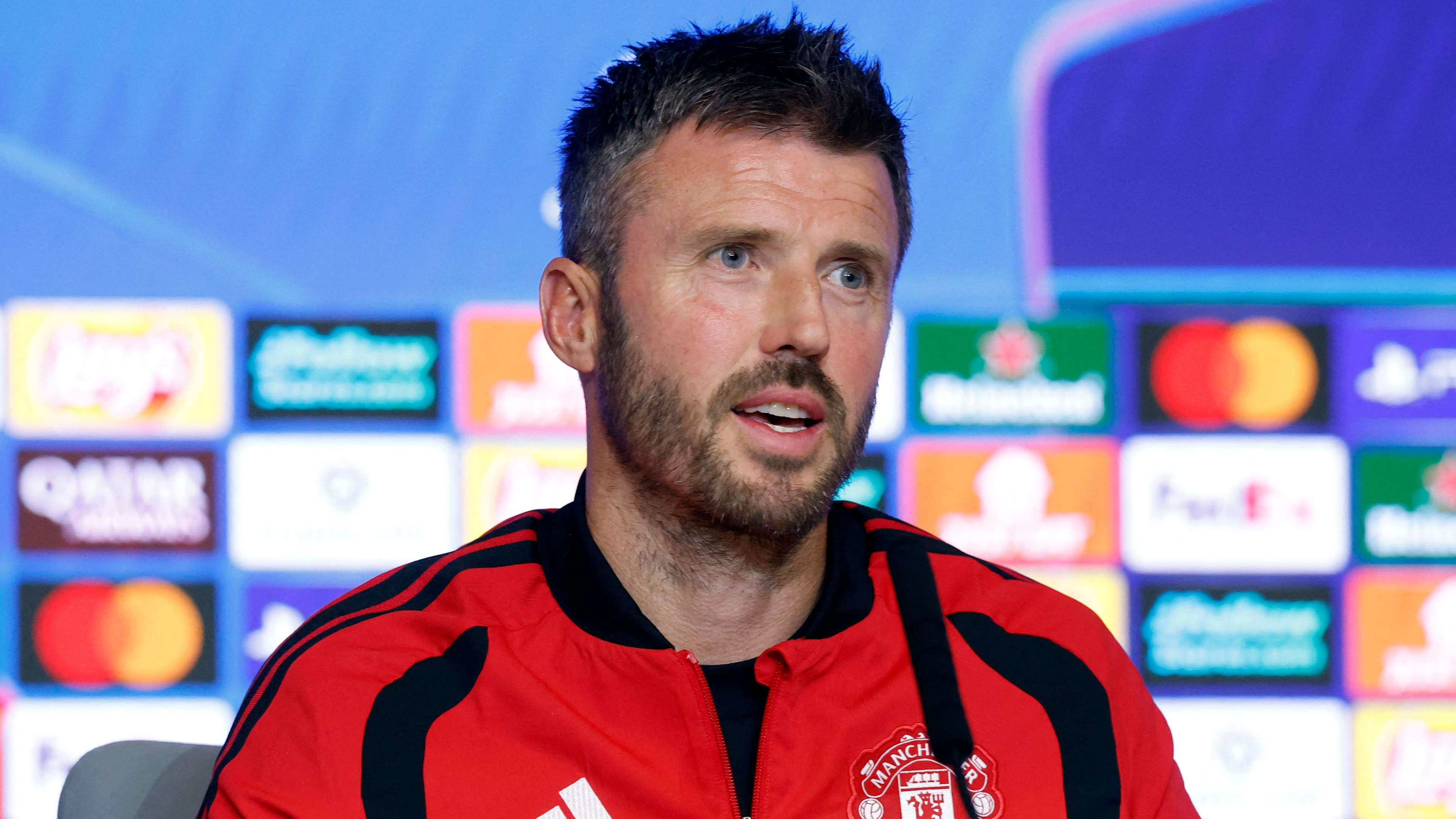
Michael Carrick has delivered a firm message to his critics, insisting he still has complete confidence in the Manchester United players despite the club’s unsettled opening to the new campaign. With results falling short of expectations and frustration growing among supporters at Old Trafford, the manager has urged patience and maintained that the team’s current difficulties can form part of a longer rebuilding process.
For a club accustomed to competing for major honours, a slow start quickly attracts attention. Every dropped point invites fresh questions about tactics, recruitment and the direction of the team. Carrick recognises the disappointment, but his response has been to defend the squad rather than allow outside pressure to define the season.
Carrick Responds to Growing Criticism
Manchester United’s early performances have left fans looking for signs of consistency and progress. The expectation at Old Trafford is rarely limited to simply improving: supporters want to see a side capable of controlling matches, creating chances and challenging for trophies. When those standards are not met, criticism is inevitable.
Carrick has acknowledged that frustration, but he has not suggested that confidence in his players is wavering. His stance is clear: the squad has the ability to respond, and a difficult spell does not automatically mean the wider project is failing. That conviction will matter in the dressing room, where players must find a way to turn belief into better performances on the pitch.
Backing a team during a challenging period is not the same as ignoring its shortcomings. United still need to address the issues that have contributed to their inconsistent start, whether those involve defensive organisation, decision-making in possession or converting promising attacks into goals. Carrick’s challenge is to combine public support with the practical adjustments required to improve results.
A Difficult Start, but a Longer Journey
The manager has framed the current struggles as a hurdle in Manchester United’s longer-term journey. That message reflects the reality that rebuilding a team’s identity and consistency can take time, particularly at a club where expectations are high and scrutiny is constant. New ideas, tactical changes and adjustments to player roles rarely produce an immediate transformation in every match.
However, patience must be supported by evidence of progress. Fans will want to see clearer patterns in United’s play, greater resilience when matches become difficult and improved performances against strong opposition. A positive speech can steady the mood, but results and visible development will ultimately determine whether supporters believe the team is moving in the right direction.
For Carrick, the task is to make the transition from reassurance to momentum. That means helping the squad respond to setbacks without losing confidence, while also ensuring that mistakes are examined honestly. The strongest teams do not avoid difficult periods altogether; they learn to manage them, maintain standards and build the habits needed to perform consistently.
What Manchester United Need to Improve
United’s next steps are likely to depend on balance. A team needs enough attacking ambition to threaten opponents, but it must also remain compact and disciplined when possession is lost. If the distance between the forward line and defence becomes too large, opponents can exploit the open spaces. Improving structure can help the side defend as a unit and launch attacks with greater control.
Efficiency in the final third is another important measure. Creating opportunities is valuable, but chances must be turned into goals if United are to convert competitive performances into points. Better movement, sharper passing and more composed finishing can make a significant difference, especially in closely contested matches where one moment may decide the result.
Leadership within the squad will also be crucial. Experienced players can help maintain focus when pressure rises, while younger members of the team need the freedom to contribute without being overwhelmed by the attention surrounding the club. Carrick’s trust in the group suggests he believes the necessary character is already there. The coming fixtures will test whether that belief can be matched by collective responsibility.
Why Carrick’s Confidence Matters
A manager’s public message can influence the atmosphere around a team. If players feel they have been abandoned after a difficult run, confidence can deteriorate further. By standing behind his squad, Carrick is attempting to create a sense of unity and remind the players that they remain responsible for shaping the season.
That approach may also help calm the wider conversation around the club. Manchester United’s size means that every result is discussed in detail, often with predictions about what a poor run could mean for the manager or the campaign. Yet early-season form should be assessed in context. The quality of performances, the strength of upcoming opponents and the team’s ability to adapt are all relevant when considering what comes next.
For supporters searching for a football prediction about United’s prospects, certainty is difficult to justify at this stage. Carrick’s confidence offers a reason for optimism, but it is not a guarantee of an immediate turnaround. The more useful indicators will be whether the side becomes harder to beat, improves its attacking output and shows greater composure in decisive moments.
Pressure and Opportunity at Old Trafford
The pressure surrounding Manchester United can be demanding, but it can also create an opportunity. A strong response to adversity could help establish trust between Carrick and his players while giving the squad a foundation to build on. A run of improved performances would not erase every concern, but it could change the tone around the team and restore belief among supporters.
Conversely, continued inconsistency would intensify questions about whether the current approach is working. That is why the manager’s message carries an important responsibility: faith in the squad must be accompanied by progress. United need to show that the setbacks are lessons rather than recurring problems.
Carrick has made his position unmistakable: he believes in his players and views the difficult opening as part of a longer process. The response now belongs to the team. If Manchester United can turn that confidence into stronger performances, the early frustration may become a turning point. If not, the scrutiny will only grow. For now, the club’s season remains open, and the next stretch of football will offer the clearest indication of whether Carrick’s belief can help guide the Red Devils back on course.