
Michael Carrick Under Pressure as Manchester United’s Poor Start Fuels Managerial Speculation
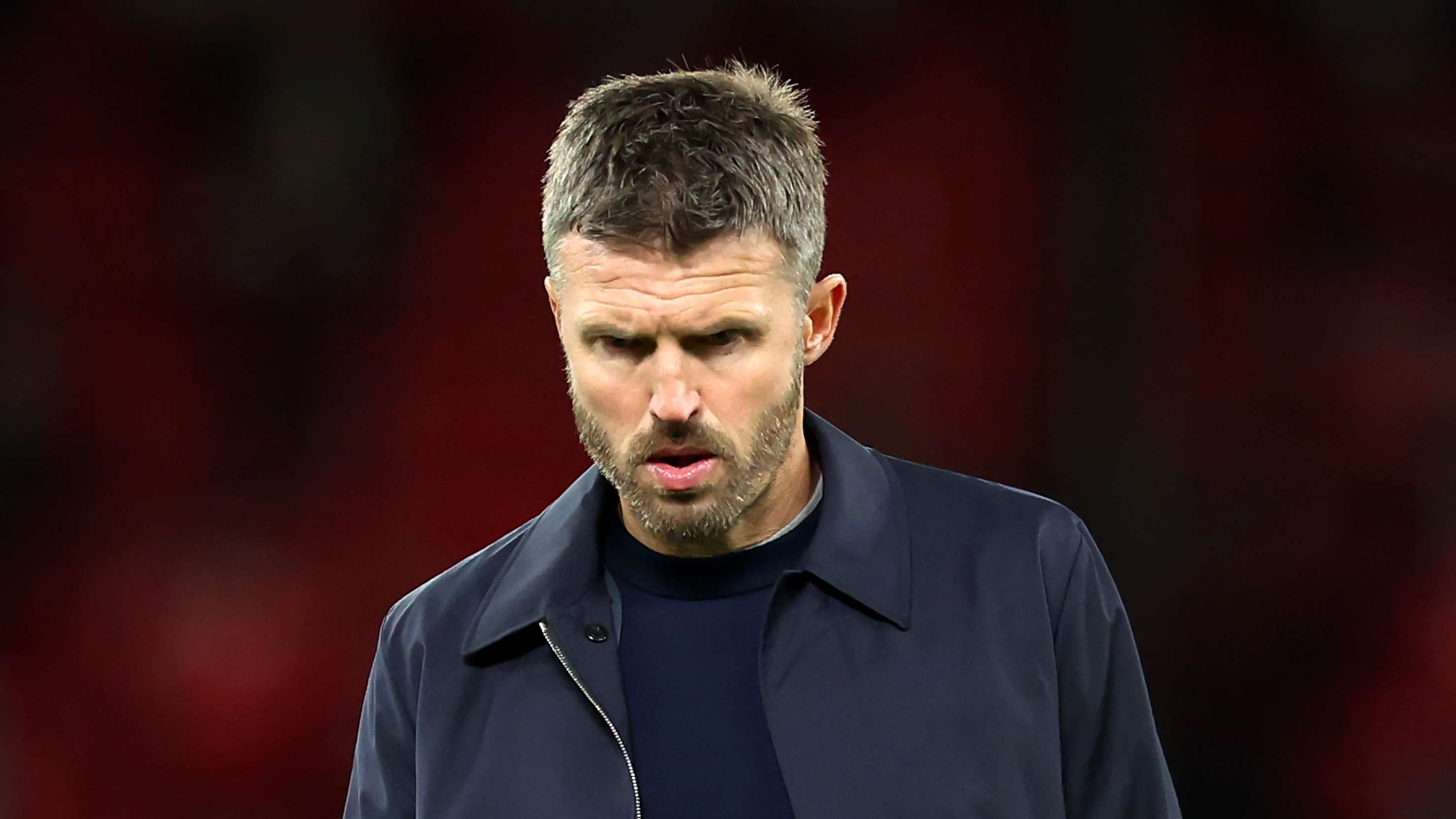
Michael Carrick is reportedly showing signs of strain as Manchester United’s difficult Premier League campaign puts his position under growing scrutiny. The former United midfielder is said to be aware that his future at Old Trafford could be in doubt, with the club’s latest failure to beat Tottenham Hotspur adding to concerns over a disappointing start to the season.
While reports about a manager’s mood or body language should be treated cautiously, the wider context is difficult to ignore. United have struggled to build momentum, and dropped points against a major rival have increased pressure on Carrick to produce a response. For a club with ambitions of competing near the top of the table, a slow start can quickly turn into a wider debate about results, performances and leadership.
Tottenham Result Deepens the Questions
The match against Tottenham offered Manchester United an opportunity to make a statement and steady their season. Instead, failing to secure victory left supporters with more questions than answers. A single result rarely determines a manager’s future, but when it follows a series of underwhelming performances, it can become a focal point for criticism.
United’s challenge is not simply to collect points. The team must also show a clear identity and the ability to control matches against strong opponents. Fans expect energy, organisation and attacking purpose, especially in high-profile fixtures. When those qualities are missing—or appear only in brief spells—frustration can grow quickly at Old Trafford.
Tottenham’s result therefore carries significance beyond the league table. It has renewed attention on Carrick’s tactical decisions, the team’s consistency and the club’s ability to respond when a match becomes difficult. The coming fixtures may offer a clearer indication of whether United can turn an uncertain opening into a platform for improvement.
Why Carrick’s Position Is Being Examined
Manchester United managers operate under intense public and media attention. Expectations remain high, and every run of results is measured against the club’s history, resources and stated goals. Carrick’s connection to United may earn him goodwill from some supporters, but it cannot shield him indefinitely if results continue to fall short.
Pressure on a manager usually develops through several factors rather than one poor afternoon. League position is important, but so are the quality of performances, the team’s progress, player confidence and the consistency of tactical choices. If United appear unable to correct recurring problems, questions about the coaching staff and long-term direction are likely to become louder.
There is also a distinction between speculation and confirmed information. Claims that Carrick expects to be dismissed, or that his physical appearance reflects his private thoughts, remain difficult to verify without direct comments from the manager or the club. In football, rumours often intensify during a poor run, particularly when supporters are searching for explanations. Until there is an official announcement, Carrick remains Manchester United’s manager and the focus should remain on the team’s performances.
The Football Problems United Must Address
To ease the pressure, United need to show progress in areas that are visible from match to match. Defensive organisation is one priority. A team that concedes avoidable chances or loses its shape under pressure makes every contest harder, regardless of its attacking talent. Better communication between the back line and midfield could help United protect leads, manage transitions and reduce the number of dangerous situations they face.
Attacking play also requires greater consistency. United need to create chances through coordinated movement rather than relying solely on individual moments of skill. Quicker combinations, more purposeful runs and improved decision-making in the final third can help turn possession into genuine scoring opportunities. Against opponents such as Tottenham, small details—an inaccurate final pass or a missed chance—can have a major effect on the result.
Midfield control will be equally important. When a team cannot retain possession or recover the ball efficiently, its defence is exposed and its forwards receive fewer useful opportunities. Carrick’s ability to find a balanced midfield setup could therefore be central to United’s recovery. The solution may involve tactical adjustments, changes to the starting line-up or simply greater consistency from the players already in the squad.
What Happens Next?
The next run of fixtures could shape the conversation around Carrick more than any single headline. A convincing win would not erase the problems of the opening weeks, but it could restore confidence and give the team room to work. Conversely, another poor performance would increase pressure and encourage further debate about whether a change in leadership is needed.
For supporters assessing the club’s prospects, any football prediction should account for both United’s potential and their current uncertainty. The squad has the quality to compete strongly, but talent alone does not guarantee results. Until the team demonstrates greater reliability, forecasts about its league position will remain cautious. The most useful indicators will be whether United create chances consistently, defend as a unit and respond positively after setbacks.
The club’s decision-makers will also have to weigh short-term results against long-term planning. Changing managers can bring a new voice and fresh ideas, but it can also disrupt a squad and create further instability. Keeping Carrick in place would give him time to address the team’s weaknesses, yet patience is easier to maintain when performances show a credible upward trend.
A Defining Period at Old Trafford
Carrick’s reported signs of concern have become part of a broader story about Manchester United’s uneasy start, rather than proof that a departure is imminent. The Tottenham draw has intensified scrutiny, but the manager’s future will ultimately depend on what happens on the pitch and how quickly the team improves.
United now need more than reassuring statements. They need a convincing display of structure, commitment and attacking intent. If Carrick can deliver that response, he may quiet speculation and rebuild belief among supporters. If the same weaknesses persist, the pressure is likely to grow. For now, the situation remains uncertain—and the next few matches could prove decisive for both the manager and Manchester United’s season.