
‘Grandmasters’ Brings Chess’s Biggest Personalities to the Big Screen
Chess is stepping beyond the tournament hall and onto the movie screen. The documentary Grandmasters, which follows elite players and the fight over the future of professional chess, has begun a theatrical run across the United States. The film screened at 92 AMC locations on October 11 and 14, alongside a sold-out New York premiere that brought players, filmmakers, chess fans, and local clubs together.
The release gives audiences a new way to encounter a game often experienced through livestreams, tournament standings, and short online clips. Rather than focusing only on moves and results, Grandmasters explores the people, ambitions, and disagreements shaping chess at its highest level. Early audience reactions have been positive, suggesting that the personalities behind the pieces can hold viewers’ attention—even if they know little about the game.
Inside the Push to Reshape Elite Chess
At the center of the documentary is German entrepreneur Jan Henric Buettner’s effort to build a new model for top-level competition with Magnus Carlsen through Freestyle Chess. Also known as Chess960, the format changes the starting positions of the pieces, reducing the value of memorized opening preparation and asking players to solve fresh problems from the first move.
The film follows the negotiations and tensions surrounding that project, including its relationship with FIDE, chess’s international governing body. Those clashes point to broader questions about who controls the sport’s future: established institutions, players, event organizers, or the growing audience that follows chess online. The debate is not merely administrative. It touches on formats, prize money, player influence, and how the game can attract new fans without losing its traditions.
Carlsen’s involvement gives the story an immediate connection to one of chess’s most recognizable figures. But the documentary also looks beyond a single champion. It offers glimpses of Wesley So’s family life and Hans Niemann’s efforts to establish his career, adding personal dimensions to players more commonly seen through tournament broadcasts and headlines.
A Three-Part Story Recut as a Feature Film
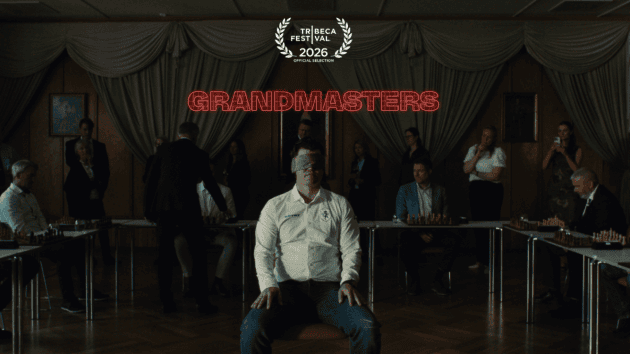
Directed by Liza Mandelup and produced by Boardwalk Pictures—the company behind Welcome to Wrexham, Cheer, and Chef’s Table—Grandmasters was initially developed as a three-part series. Its first episode premiered at the Tribeca Festival in June. For its theatrical release, the chapters have been combined into a 170-minute film, giving audiences a continuous view of the people and disputes driving the story.
Mandelup has said she wanted to make the chess world accessible even to viewers unfamiliar with its rules or rivalries. She thought about Succession while working on the project: the show drew her into a world she did not already understand, and she hoped Grandmasters could create a similar sense of involvement. The challenge, she explained, was to make viewers care about the personalities and stakes without requiring them to know every detail of chess.
That approach reflects a wider opportunity for chess storytelling. A viewer may not recognize a particular opening or understand a tournament’s qualification system, but they can follow ambition, pressure, family relationships, and conflict. By making those human stories central, the film aims to broaden the appeal of competitive chess beyond its existing fan base.
Premiere Night Celebrates Chess Culture
The New York launch took place at AMC Empire 25 in Times Square on October 11. After the sold-out screening, Mandelup joined Chess.com Chief Chess Officer International Master Daniel Rensch and International Master Levy Rozman—widely known online as GothamChess—for a live audience question-and-answer session.
Rozman argued that top chess players are compelling well beyond their results. He described them as “odd geniuses,” pointing to their varied interests, languages, backgrounds, and lives around the world. Those differences, he suggested, create stories that can resonate with audiences who might not otherwise follow a chess tournament.
Rensch made a similar case for bringing players’ personalities to the forefront. Chess, he said, needs more support for telling the stories behind the game and introducing its leading figures to a wider public. Fans should have reasons to turn up for players such as So and Fabiano Caruana—not only to see how they move the pieces, but to hear what they have to say.
The premiere also featured a book signing by Rozman, with spectators gathering around the event. For many attendees, the evening combined a film screening with the kind of community experience that makes chess distinctive: fans meeting in person, talking about the game, and sharing their interest beyond a screen.
Local Chess Clubs Join the Theatrical Run
Several local chess clubs organized meetups around the screenings, giving members a chance to play over the board before heading to the theater. These gatherings added a participatory element to the release. Instead of simply watching a documentary about chess, fans could spend the evening playing it, discussing the film, and connecting with other members of their community.
That blend of cinema and club activity highlights the social side of the game. Chess can be followed alone online, but it also thrives in shared spaces—from neighborhood clubs and school groups to major tournaments. A documentary that brings people together may help strengthen those local connections while introducing new viewers to the wider chess scene.
Early Reviews Point to Broad Appeal
Initial audience feedback has been encouraging. Among 15 reviews cited after the release, nine gave the film five out of five stars. One viewer praised its “terrific suspense, intriguing characters, fabulous musical score,” while another described it as “very informative and lots of fun.” A reviewer named Collin said the documentary captured “the full spectrum of people in the world of chess.”
Those responses reflect the film’s attempt to balance information with entertainment. Its appeal may come not only from the chess itself, but from the contrasting personalities and competing visions surrounding the game. As Mandelup has remarked, she enjoys the challenge of audiences assuming that the chess world is boring—a perception the documentary sets out to challenge.
Where to Watch ‘Grandmasters’
Grandmasters is currently showing exclusively at AMC theaters in the United States, with additional locations expected to join the run. Viewers can check AMC listings for current theaters and showtimes. Streaming availability has not yet been announced, so fans should watch for future updates from the film’s distributors and Chess.com.
For chess enthusiasts, the documentary offers an inside look at familiar names and a changing professional landscape. For newcomers, it provides a guide to the personalities and pressures behind elite competition. Either way, Grandmasters makes the case that chess is not only a contest of calculation: it is also a world of ambition, disagreement, community, and stories worth following.