
Carlo Ancelotti’s Surprise Visit to Real Madrid: A Sign of Strategic Collaboration and Future Planning
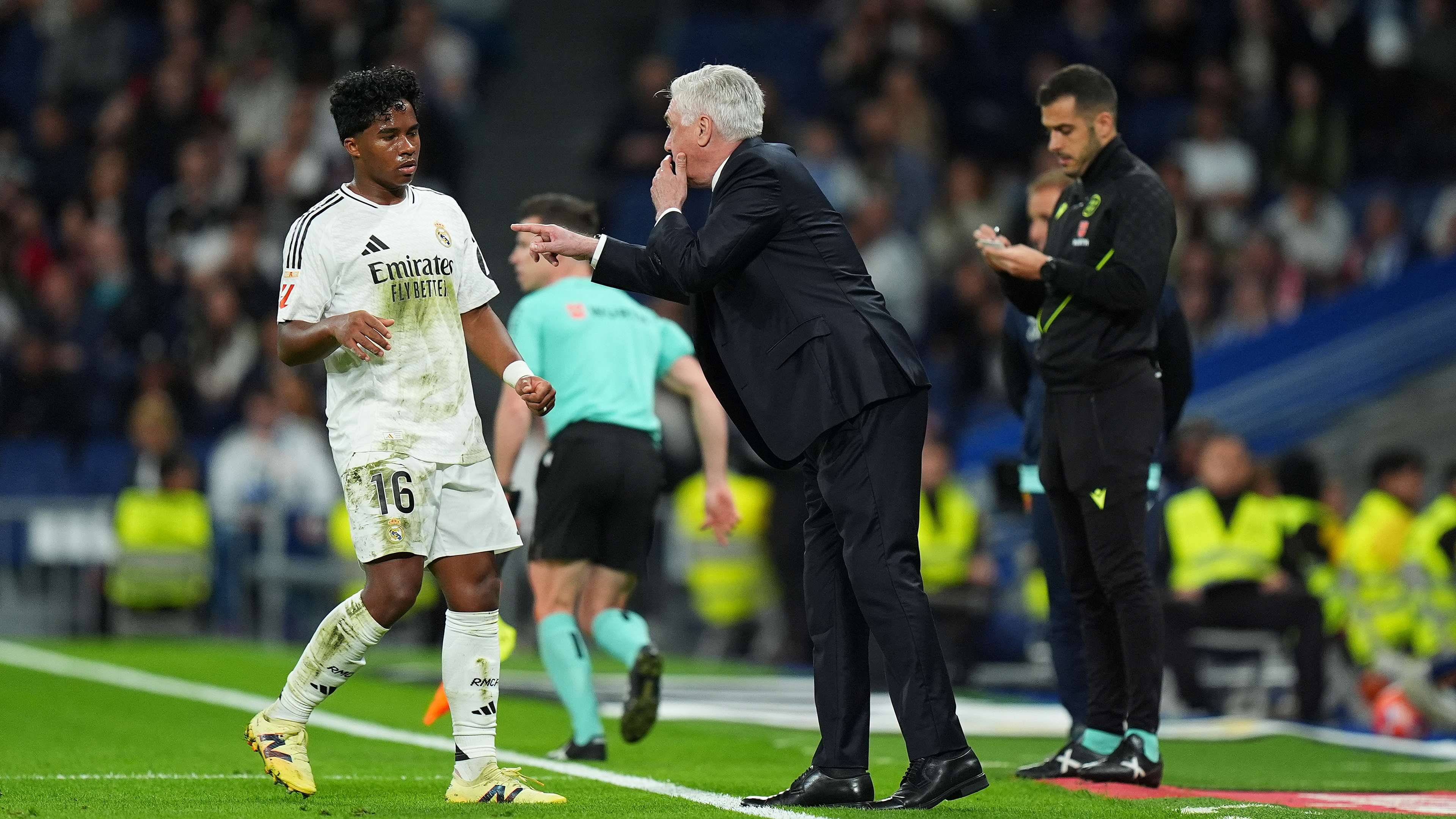
In a move that has captivated football enthusiasts worldwide, renowned coach Carlo Ancelotti recently made an unexpected visit to the famed Real Madrid City training complex. Known for his strategic acumen and calm demeanor, Ancelotti’s appearance sparked widespread speculation about potential collaborations, mentorship, and long-term planning within the football community. The visit not only highlighted his enduring ties with the Los Blancos family but also offered insights into his evolving vision for the sport, especially concerning the development of future talent for the Brazil national team.
Ancelotti’s Unannounced Return to Madrid: What Does It Mean?
Carlo Ancelotti, who previously managed Real Madrid from 2013 to 2015 before returning to the club in 2021, surprised fans and insiders alike with his unanticipated presence at the club’s training facilities. While the details of his visit remain closely guarded, sources close to the club suggest that Ancelotti was engaging in high-level discussions with coaching staff, scouting personnel, and former players. His visit underscores the strengthening bonds between top-tier clubs and national teams, as well as the increasing importance of strategic talent development in modern football.
Real Madrid, renowned for their successful youth development programs and global scouting network, continues to serve as a hub for nurturing future stars. Ancelotti’s familiarity with the club’s inner workings positions him as a potential mentor for emerging talents and a strategic advisor for upcoming projects. This visit, therefore, could be a prelude to more formal collaborations aimed at enhancing player development pipelines, fostering innovative training methods, and exploring new scouting opportunities.
Ancelotti’s Vision for the Future of Football: Building a New Generation of Talent
Beyond his club commitments, Ancelotti has also been vocal about his broader ambitions in the sport, particularly concerning his role in shaping the future of Brazil’s national team. In recent interviews, the Italian tactician revealed his plans to develop a new generation of talented players who can lead the Selecao to glory in the upcoming decades, especially with the 2030 FIFA World Cup on the horizon.
Building for the 2030 World Cup
As Brazil prepares for its next World Cup campaign, Ancelotti emphasizes the importance of a long-term strategic approach. He envisions a cohesive pathway for young players, integrating innovative training techniques, tactical versatility, and mental resilience to create a squad capable of conquering the world stage. His plans involve collaborating closely with Brazil’s football federation, scouting untapped talent at youth levels, and implementing cutting-edge sports science to maximize player potential.
“The 2030 World Cup is a significant milestone for Brazilian football, and my goal is to ensure we have a generation of players who are not only talented but also adaptable and mentally prepared for the challenges of international competition,” Ancelotti stated. “This requires a comprehensive development program that combines technical excellence with psychological strength.”
The Role of Prediction and Data in Modern Football Talent Development
In today’s football landscape, prediction models and data analytics have become indispensable tools for identifying emerging talent and formulating game strategies. Ancelotti’s interest in leveraging these technologies aligns with broader trends in the sport, where statistical analysis and machine learning are used to forecast player development trajectories and tactical success.
By integrating advanced prediction tools, coaches can better assess a player’s potential, fitness levels, and adaptability to different tactical systems. This approach not only accelerates talent identification but also enhances team performance by enabling more informed decision-making. As Ancelotti advocates for a data-driven approach, he envisions a future where football prediction models play a central role in shaping national teams and club squads alike.
Implications for the Football Community and Betting Enthusiasts
The intersection of football prediction and strategic planning has significant implications for fans, analysts, and betting markets. Accurate predictions based on sophisticated algorithms can influence betting odds, match forecasts, and even tactical decisions during games. Ancelotti’s focus on developing young talent and utilizing prediction models aligns with a broader movement towards analytics-driven football, which continues to evolve rapidly.
For football prediction enthusiasts, understanding these technological advancements offers a competitive edge. As clubs and national teams increasingly rely on data, the accuracy of predictions improves, leading to more engaging and informed betting experiences. Moreover, the emphasis on youth development and prediction models indicates a shift towards smarter, more sustainable football strategies that prioritize long-term success over short-term results.
Conclusion: A New Era in Football Strategy and Talent Development
Carlo Ancelotti’s recent visit to Real Madrid City symbolizes a convergence of tradition and innovation in football. His involvement in nurturing future stars, combined with a keen interest in prediction technologies, underscores a transformative period for the sport. As the football world looks ahead to the 2030 World Cup and beyond, the synergy between strategic coaching, data analytics, and youth development promises to elevate the game to new heights.
Whether you are a passionate football fan, a betting enthusiast, or an industry insider, staying abreast of these developments is crucial. The evolving landscape of football prediction and talent cultivation not only enhances competitive fairness but also enriches the overall spectator experience, paving the way for a brighter, more strategic future for the beautiful game.