
Spain Pushes for 2030 World Cup Final Host Bid
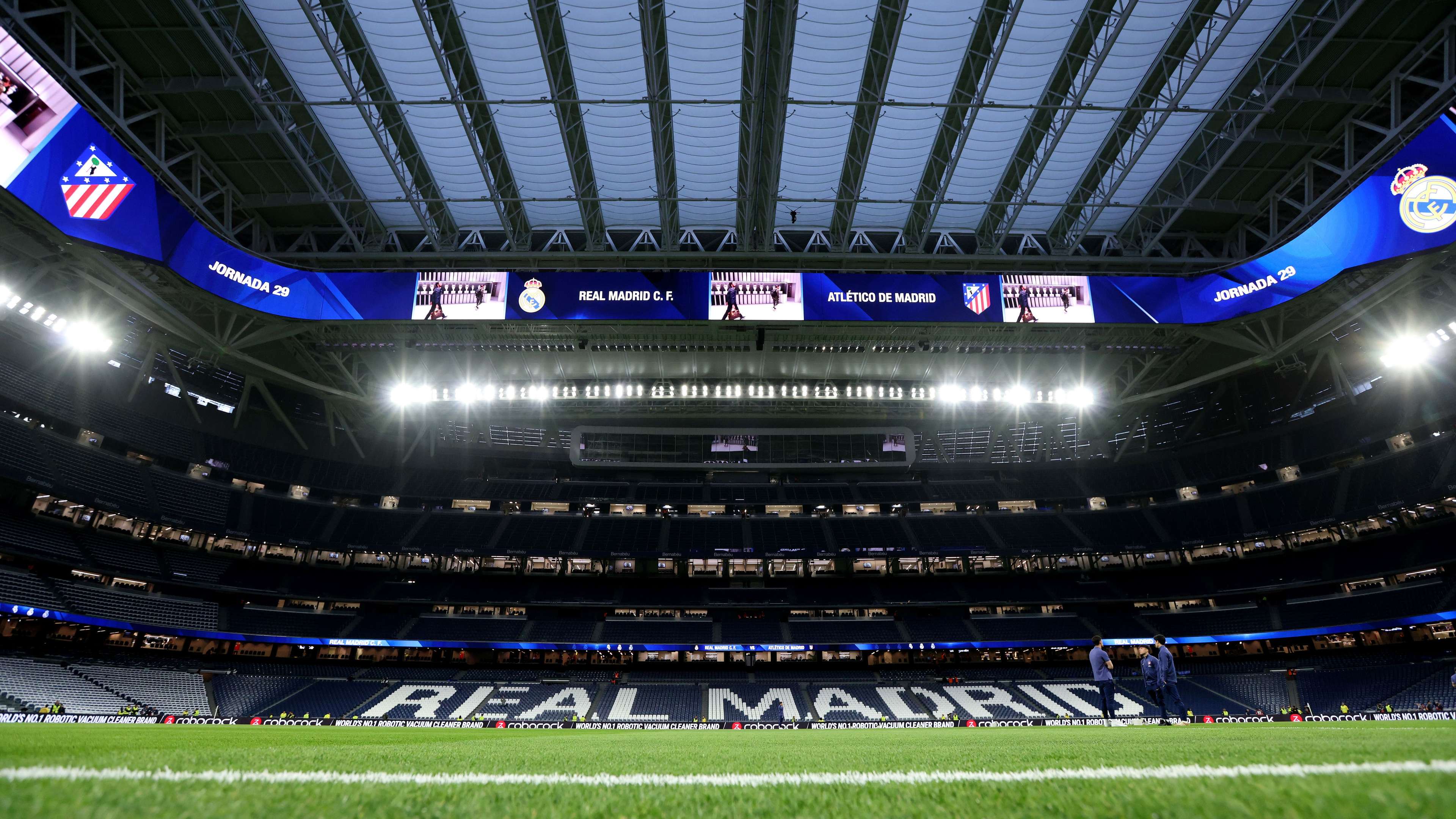
In a fierce competition to secure the honor of hosting the 2030 World Cup final, Spain has officially endorsed the Santiago Bernabeu and the newly renovated Camp Nou as potential venues. This endorsement comes as Morocco also emerges as a strong contender with its ambitious infrastructure projects. The battle for the coveted spot to hold the final match of the prestigious tournament is heating up, with Spanish football officials making it clear that they believe the climax of the World Cup should take place on Iberian soil.
Spain’s Bid
The Spanish Football Federation is throwing its full weight behind the bid to host the 2030 World Cup final. The Santiago Bernabeu, home to Real Madrid, and the recently renovated Camp Nou, where FC Barcelona plays, have been put forward as top contenders for the prestigious event. Spain’s rich footballing history, passionate fan base, and world-class stadiums make it a compelling choice for hosting the final match of the World Cup.
Spanish football officials are confident in their bid, highlighting the country’s long-standing love affair with the beautiful game and the infrastructure in place to support such a significant event. The prospect of the World Cup final being held in Spain has generated excitement among football fans worldwide.
Morocco’s Challenge
While Spain is pushing hard for the hosting rights, Morocco is not backing down in the race to secure the 2030 World Cup final. The North African nation has been investing heavily in infrastructure projects to upgrade its stadiums and facilities, making a strong case for why the tournament should come to Morocco.
The bid from Morocco is seen as a serious contender, with the country having previously hosted major sporting events with great success. The passion for football in Morocco, combined with the investment in modernizing its stadiums, presents a compelling argument for why the 2030 World Cup final should be held on African soil.
Global Excitement
As the battle between Spain and Morocco for the right to host the 2030 World Cup final intensifies, football fans around the world are eagerly awaiting the decision. The prospect of seeing the world’s best teams compete in a historic final match in either Spain or Morocco has generated a buzz of excitement and anticipation.
With both countries making strong cases for why they should host the final, FIFA will have a tough decision to make. The 2030 World Cup final is shaping up to be a highly anticipated event, with Spain and Morocco vying for the opportunity to showcase their footballing prowess on the global stage.
In the coming months, football fans will be eagerly following the developments in the bid process, eagerly awaiting the announcement of which country will have the honor of hosting the final match of the 2030 World Cup.
Spain’s Footballing Legacy
Spain’s bid to host the 2030 World Cup final is deeply rooted in the country’s rich footballing history. The nation is home to two of the most successful football clubs in the world, Real Madrid and FC Barcelona, both of which boast massive fan bases and iconic stadiums. The Santiago Bernabeu and the Camp Nou are not only venues for football matches but also symbols of the passion and dedication that Spaniards have for the sport.
Spain’s national team has also achieved great success in international competitions, winning the FIFA World Cup in 2010 and the UEFA European Championship in 2008 and 2012. The country’s commitment to developing top-tier football talent and its emphasis on playing attractive, possession-based football have earned Spain a reputation as a footballing powerhouse.
Morocco’s Footballing Culture
On the other hand, Morocco’s bid to host the 2030 World Cup final is bolstered by the nation’s deep-rooted footballing culture. Football is a national obsession in Morocco, with fans displaying unwavering support for their local clubs and the national team. The passion for the sport runs deep in the country, manifesting in lively match atmospheres and widespread grassroots participation.
Throughout the years, Morocco has produced talented footballers who have made their mark on the global stage. The country’s footballing infrastructure has seen significant improvements, with modernized stadiums and training facilities aimed at nurturing the next generation of Moroccan football stars. The bid to host the 2030 World Cup final is a testament to Morocco’s commitment to elevating its footballing status on the world stage.
Impact of Hosting the World Cup Final
Hosting the final match of the 2030 World Cup would be a monumental occasion for either Spain or Morocco. The event would not only bring prestige and international attention to the host nation but also have significant economic and cultural implications. The influx of tourists, media coverage, and global viewership associated with the World Cup final could provide a substantial boost to the local economy and tourism industry.
Moreover, hosting the World Cup final would create a lasting legacy for the host country, leaving behind improved infrastructure, heightened international visibility, and a sense of national pride. The event has the potential to unite communities, celebrate diversity, and showcase the host nation’s ability to organize and execute a world-class sporting event.
Anticipation and Speculation
As the competition for the right to host the 2030 World Cup final intensifies, football fans and analysts alike are speculating on the outcome of the bidding process. The decision by FIFA will not only impact the host country but also shape the future of international football tournaments and the global footballing landscape.
The anticipation surrounding the announcement of the host nation for the 2030 World Cup final is palpable, with debates and discussions fueling excitement within the football community. Whether Spain or Morocco ultimately wins the bid, the decision will undoubtedly spark celebrations and reflections on the significance of hosting such a prestigious event.
Overall, the battle between Spain and Morocco for the honor of hosting the 2030 World Cup final highlights the fierce competition, national pride, and global impact associated with international football tournaments. The decision by FIFA will undoubtedly be highly anticipated and closely watched by football enthusiasts worldwide.