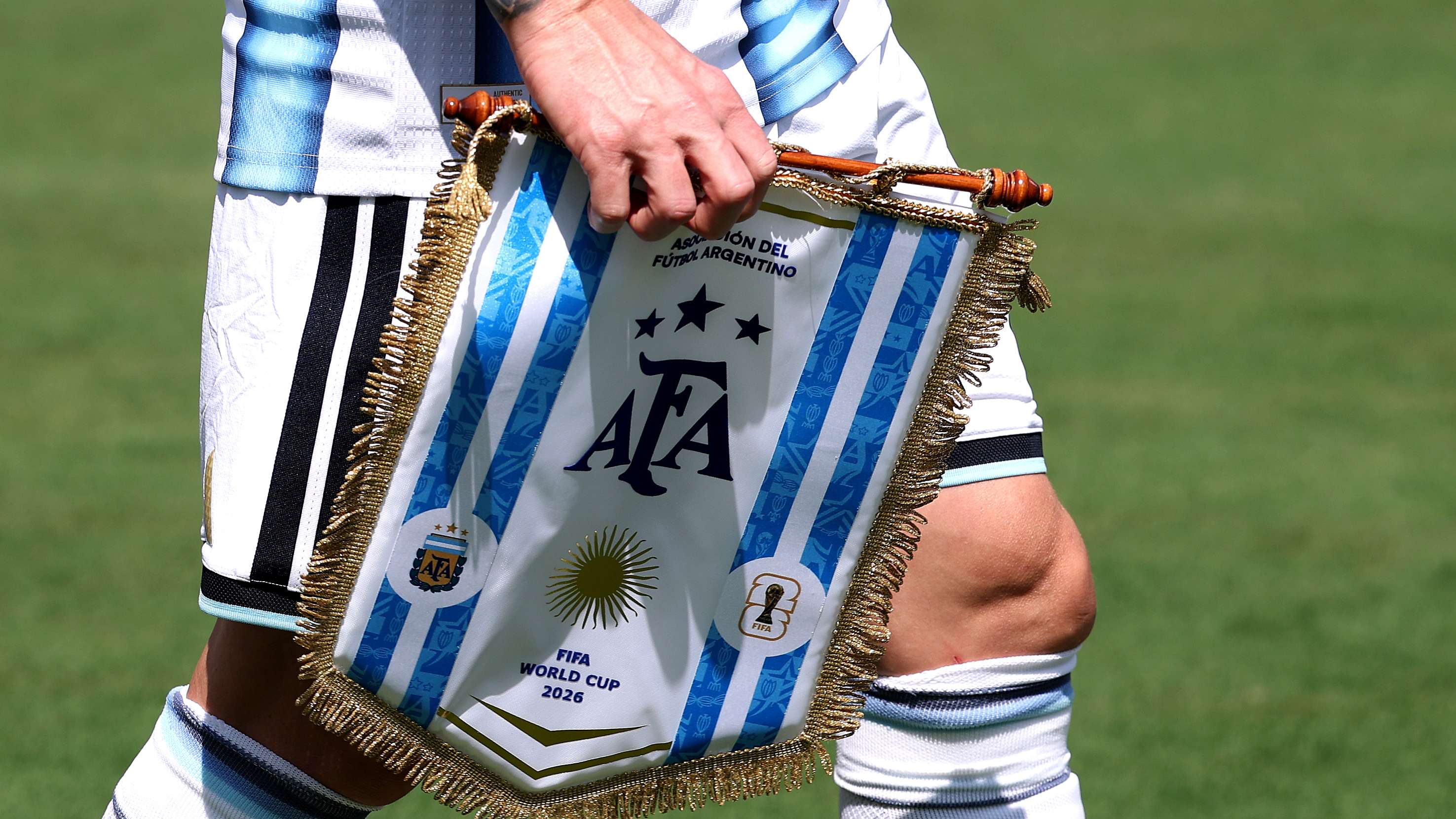

Uncertain Future for Friendly Match: Burkina Faso’s Delayed Arrival Sparks Football Prediction Concerns
The highly anticipated international friendly between Argentina and Burkina Faso, scheduled for tomorrow, is now hanging in the balance due to unforeseen logistical and diplomatic challenges. Football enthusiasts worldwide are eager to see these two teams face off, but recent developments suggest that the match might be at risk of cancellation or postponement. The situation has garnered significant media attention, with experts in football prediction analyzing the potential impact on team preparations and tournament outlooks.
Unexpected Delay: Burkina Faso’s Travel Woes Continue
Initially, the Burkinabé national team was expected to arrive in Buenos Aires on September 30th, in time for their scheduled friendly against the reigning world champions, Argentina. However, as of 3:00 p.m. on Friday, their delegation remains stranded in Casablanca, with no definitive timeline for departure. The delay has thrown organizers, players, and fans into uncertainty, prompting questions about the feasibility of the match proceeding as planned.
The Burkina Faso Football Federation (FBF) attributed the delay to “a sudden cancellation by the airline of the scheduled flight,” citing logistical issues beyond their control. This explanation, while straightforward on the surface, masks a deeper underlying crisis that involves more than just airline scheduling problems. Sources close to the situation suggest a complex mix of logistical hurdles, financial disputes, and strategic negotiations are at play, threatening to disrupt the friendly fixture.
Behind the Scenes: The Core Issues Unveiled
According to reputable Argentine sports newspaper Olé, two critical issues are fueling the delay and complicating the situation further. These issues are not only logistical but also touch on players’ welfare and contractual negotiations, which could have broader implications for future international fixtures and football prediction models.
Refusal to Board Long-Distance Commercial Flights
One of the primary sticking points appears to be the players’ reluctance to undertake long, arduous commercial flights. This stance echoes recent trends in international football, where teams prefer private charters to ensure maximum comfort, safety, and timely arrival. The Burkinabé players, following the example of other African teams like Mauritania, are demanding a private jet for their journey to Argentina. This request aligns with the broader movement within African football, emphasizing the importance of player welfare and logistical efficiency.
Last March, Mauritania successfully arranged a private charter for a similar international match, setting a precedent that Burkina Faso now appears eager to follow. Such demands stem from concerns over fatigue, injury risk, and the overall quality of performance—factors that are crucial when considering football prediction outcomes for friendly matches.
Financial Compensation: The Crux of the Dispute
Beyond travel arrangements, a more contentious issue revolves around financial bonuses. Sources across Africa indicate that the current agreement with the organizing body covers only basic expenses—travel and accommodation—with no provisions for additional player bonuses or performance incentives. The players and their management now seek fair compensation for their participation, arguing that their efforts deserve proper remuneration.
This dispute highlights ongoing challenges in international football, especially for smaller nations where budgets are often limited. It also raises questions about the sustainability of such arrangements and how they influence football prediction models—teams that are motivated by financial incentives might perform differently than those that are not.
Government and Federation Interventions
The Burkinabé government has taken an active role in resolving the crisis. Minister of Sports Annick Ouattara, federation president Omar Souadogo, and Burkina Faso’s ambassador to Morocco, Mamadou Koulibaly, are personally involved in negotiations to secure the team’s safe and timely arrival. Their efforts underscore the seriousness of the situation and the importance placed on maintaining international football relations.
Meanwhile, the Argentine Football Federation (AFA) is closely monitoring developments. Officials anticipate that the Burkina Faso team will arrive in Buenos Aires by Saturday afternoon, with the delegation expected to depart Casablanca on Friday night. The goal remains to proceed with the friendly as scheduled, which has significant implications for football prediction enthusiasts and analysts tracking team form and performance metrics in friendly fixtures.
Implications for Football Prediction and Future Fixtures
The uncertainty surrounding Burkina Faso’s delayed arrival raises important questions for football prediction experts and fans alike. Friendly matches serve as vital indicators of team form, tactical setups, and player fitness—all key variables in forecasting future performances in competitive tournaments.
If the match proceeds as planned, it provides an invaluable opportunity for both teams to assess new tactics, integrate emerging talents, and fine-tune strategies ahead of more competitive fixtures. Conversely, if the game is canceled or postponed, analysts will need to recalibrate their predictions, considering the impact of disrupted preparation and potential morale issues.
Broader Context: African Teams and International Football Negotiations
This incident underscores ongoing challenges faced by African football teams in balancing logistical realities with competitive ambitions. The increasing demand for private travel arrangements reflects a broader shift towards prioritizing player welfare and operational efficiency. However, it also highlights disparities in resources compared to European or South American teams, influencing the dynamics of international fixtures and predictions.
Furthermore, the dispute over financial bonuses points to a larger conversation about fair compensation and professional standards in African football. As nations seek to elevate their status on the global stage, such issues may become more prominent, affecting the scheduling and predictability of international matches.
Conclusion: Awaiting a Resolution and the Future of the Friendly
As the weekend approaches, all eyes are on Burkina Faso’s delegation and the Argentine organizers to see whether the friendly will take place as planned. The resolution of travel and financial disputes will determine not only the immediate outcome but also influence future international football arrangements involving African teams.
For football prediction enthusiasts, this situation serves as a reminder of the complex interplay between logistical challenges, financial negotiations, and team performance. The outcome will offer valuable insights into how external factors can shape the results of friendly matches and influence broader strategic planning for upcoming tournaments.
In the end, the successful staging of this friendly could serve as a blueprint for smoother collaborations between African federations and international organizers—an essential step towards more predictable and engaging football fixtures worldwide.