
Buijs Fumes at Referee After Guth Is Injured in Fortuna Sittard’s Clash With Feyenoord
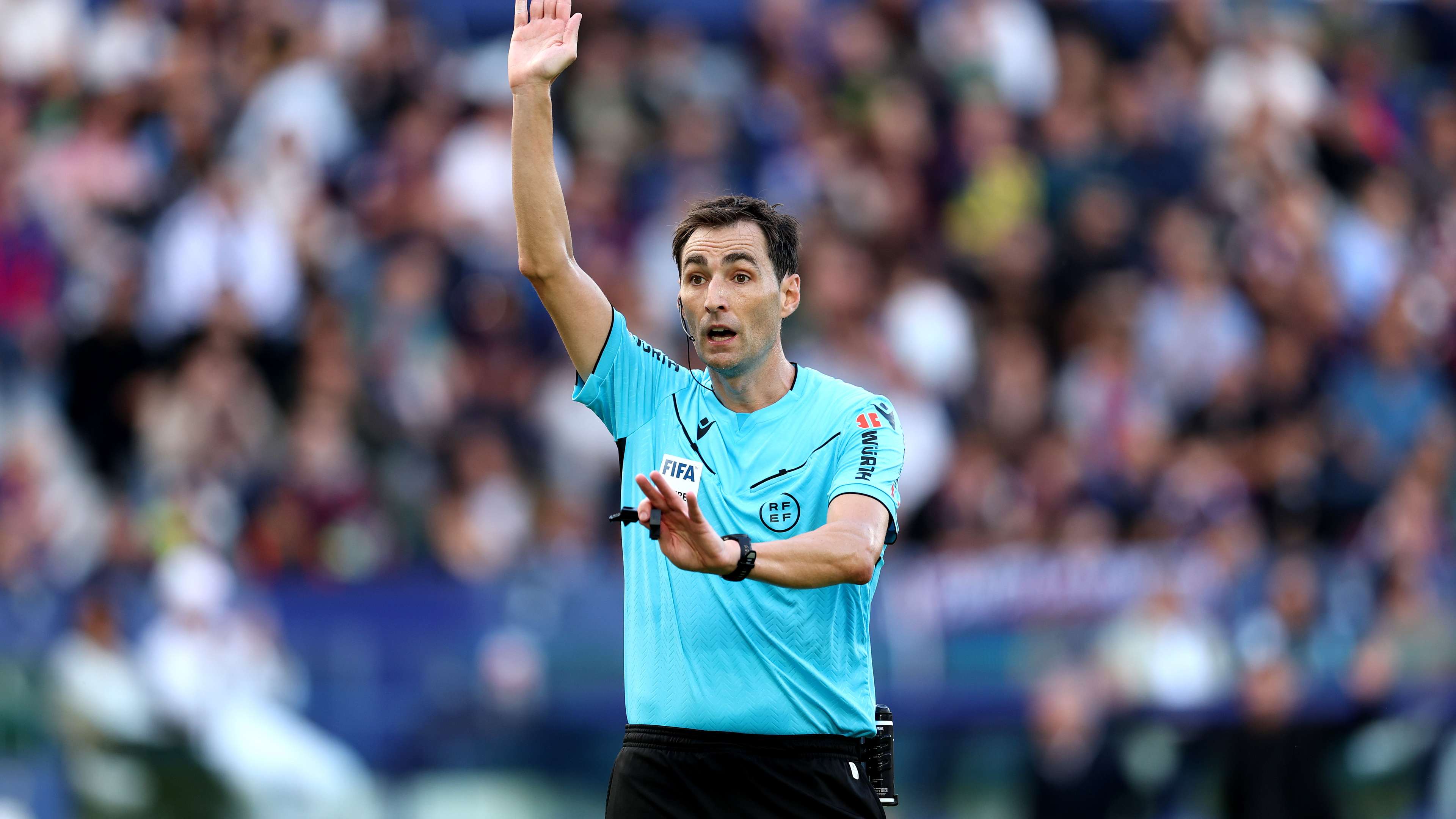
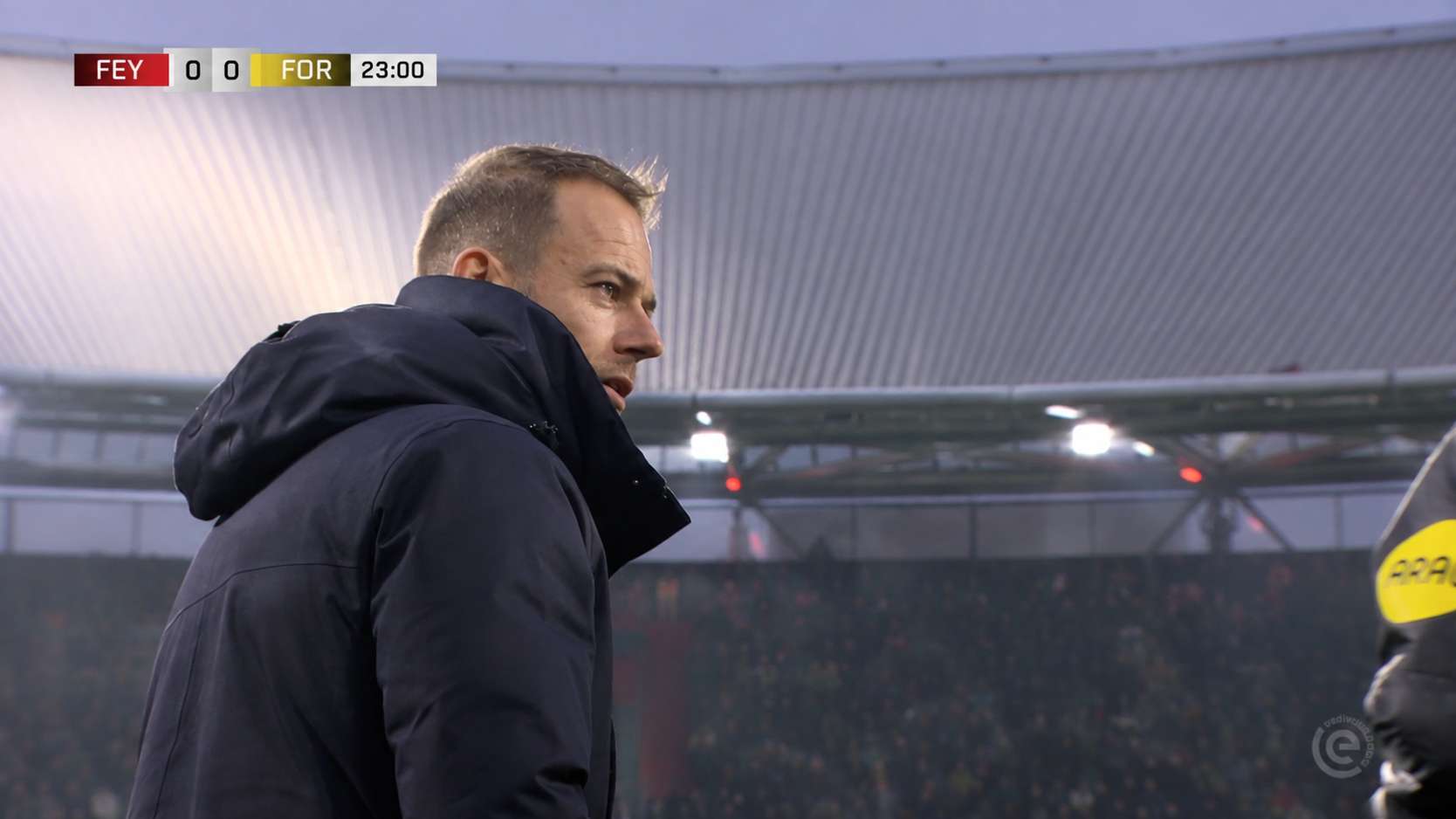
Fortuna Sittard coach Danny Buijs was left seething during his side’s away match against Feyenoord after referee Joey Kooij awarded the home team a free-kick following a painful aerial collision involving defender Rodrigo Guth and striker Nacho Ferri.
The incident unfolded in the 23rd minute at De Kuip, where Feyenoord had begun the match as the more threatening side. Ferri moved backwards while challenging for the ball and made contact with Guth in the air. The Brazilian defender lost his balance and fell heavily onto the turf, prompting Fortuna’s medical staff to rush onto the pitch.
Kooij restarted play by awarding Feyenoord a free-kick, a decision that immediately provoked a furious reaction from Buijs. The Fortuna manager shouted toward the fourth official, “Feyenoord get everything their way!” His complaint was picked up by ESPN’s broadcast, capturing the tension surrounding a key moment in the first half.
Guth unable to continue after heavy fall
Guth initially appeared capable of carrying on after receiving treatment. The 25-year-old returned to the field, but it soon became clear that the consequences of the awkward landing were more serious than first thought. A few minutes later, he went down again inside Fortuna’s penalty area and was unable to continue.
The defender appeared to spit up blood, adding to the concern among his teammates and the coaching staff. Buijs was forced into an early change, bringing Iván Márquez on in the 30th minute. Losing Guth so early disrupted Fortuna’s defensive plans and required the visitors to adapt while Feyenoord continued to press for an opening goal.
Although the referee’s decision sparked Buijs’s anger, the collision also highlighted the risks that come with aerial challenges. Players can be vulnerable when contact occurs while they are off balance, and a fall from height can lead to injuries that are not immediately obvious. In Guth’s case, his initial return to the pitch was followed by a rapid deterioration, underlining why medical staff must carefully assess players after a heavy impact.
Feyenoord create chances but cannot break the deadlock
Feyenoord had the better of the first half and created several opportunities to take the lead. Anis Hadj Moussa, Luciano Valente and Gjivai Zechiël were among the players to threaten Fortuna’s goal, but the Rotterdam side could not turn their attacking pressure into a decisive finish.
Fortuna, meanwhile, had to manage the disruption caused by Guth’s injury while trying to stay organised against a team that looked increasingly dangerous in possession. The visitors’ ability to keep the score level was an important part of their first-half performance, particularly after losing a central defender before the half-hour mark.
Despite Feyenoord’s territorial advantage and the number of promising moments they created, neither side found the net before the interval. The teams went into the dressing rooms level at 0-0, leaving the match finely balanced and the second half open to a range of outcomes.
What the first half means for the match prediction
For anyone considering a football prediction based on the opening 45 minutes, Feyenoord’s attacking initiative offered a clear reason to expect the home side to remain on the front foot. Their chances suggested they were capable of testing Fortuna’s defence, while the early injury to Guth forced the visitors to make a tactical adjustment sooner than planned.
However, Feyenoord’s failure to score was equally significant. Creating opportunities is not enough if the final pass or shot lacks precision, and Fortuna’s ability to reach half-time without conceding kept the contest unpredictable. A 0-0 scoreline can increase pressure on the team expected to dominate, especially if chances continue to go unfinished.
Fortuna’s best route back into the game was likely to remain disciplined, limit space around the penalty area and look for opportunities to counterattack. Feyenoord, on the other hand, needed to make better use of their possession and turn their attacking spells into clearer, higher-quality chances. The tactical balance could shift quickly if either side scored first.
Refereeing decisions add to the drama
Buijs’s outburst became one of the defining moments of the first half, but the incident also reflected the emotional intensity of a competitive Eredivisie fixture. Coaches often react strongly when a decision appears to go against their team, particularly when it follows an injury to one of their players. Still, the free-kick decision and the collision itself are separate issues: Kooij had to judge the contact, while Fortuna’s staff faced the immediate task of assessing Guth’s condition.
For supporters, the episode added another layer of drama to a match that had already featured attacking pressure and a significant defensive setback. It also ensured that attention remained on the referee, the fourth official and the way the game was being managed as the teams prepared for the second half.
With the score still goalless at the break, Feyenoord had the momentum in terms of chances, but Fortuna remained within reach of a result. The home side needed greater composure in front of goal, while Buijs’s team had to reorganise after Guth’s departure and maintain its defensive concentration. The first half therefore offered no final answer to the match’s likely outcome—only a tense platform for the football still to come.