
Legendary Goalkeeper Gianluigi Buffon Casts Doubt on Italian Federation’s Coaching Choice
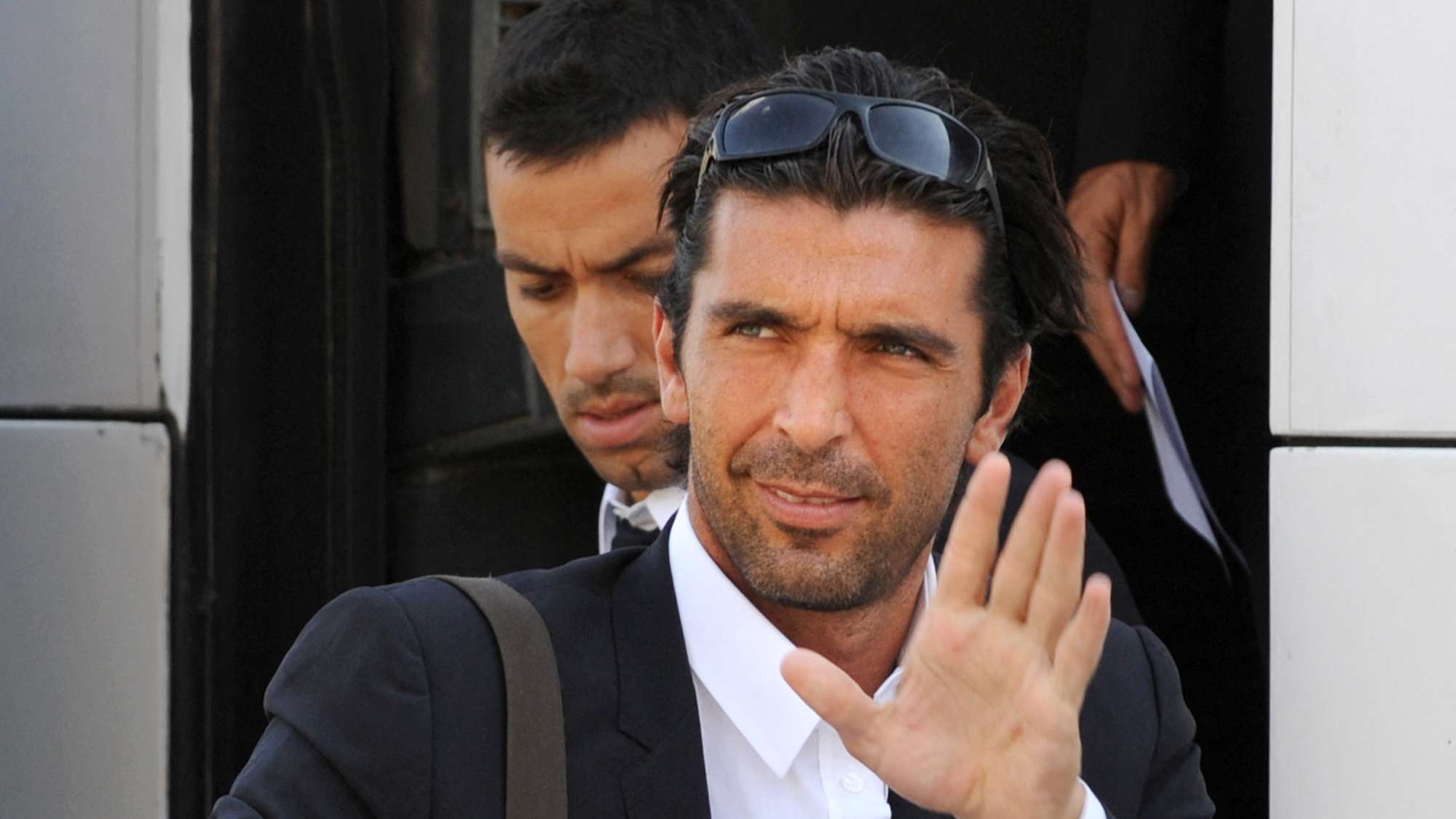
Gianluigi Buffon, the iconic Italian goalkeeper, recently shared his thoughts on the Italian Football Federation’s decision to bring back Roberto Mancini as the head coach of the Azzurri. In an extensive interview with “La Gazzetta dello Sport,” Buffon expressed his reservations about the appointment, suggesting that there might be better options available.
Buffon, Italy’s most-capped player, acknowledged the doubts surrounding Mancini’s return and emphasized the importance of having the right person in such a crucial position. However, he hinted that his preferred choices for the role would have been Antonio Conte or Franco Baldini, highlighting the need for a well-thought-out decision-making process.
While Buffon did not explicitly criticize Mancini, he questioned the rationale behind his appointment, stating, “I hear the phrase ‘he (Mancini) is the right man’ a lot without any convincing reason.” The legendary goalkeeper stressed the importance of prioritizing the project over individual preferences, suggesting that the ideal candidate should align with the long-term goals of the national team.
During the interview, Buffon also mentioned Pep Guardiola, revealing that Paolo Maldini and Leonardo had attempted to persuade the Spanish coach to take on the national team job before their resignations. Buffon believed that Guardiola’s presence would have provided a significant boost to the team, even though success was not guaranteed.
Aside from coaching discussions, Buffon disclosed that Maldini and Leonardo had approached him about potentially coaching one of the national teams. Despite the tempting offer and the enthusiasm of his former teammates, Buffon decided to prioritize his personal life and take a break from the demanding world of football after decades of dedication.
Buffon’s insights into the coaching situation within the Italian Football Federation shed light on the complexities and considerations involved in selecting the right candidate to lead the national team. As one of the most respected figures in Italian football, his perspective carries weight and prompts reflection on the criteria for choosing a head coach.
As Italy aims to secure qualification for the World Cup in the coming years, Buffon’s comments serve as a reminder of the importance of strategic decision-making and long-term planning in determining the future success of the Azzurri. The debate over coaching choices continues to captivate fans and pundits alike, with each new development fueling speculation and analysis.
Ultimately, the Italian Football Federation faces a critical decision in selecting the individual who will guide the national team through the challenges and opportunities that lie ahead. Buffon’s reservations about the current coaching situation underscore the need for careful consideration and thorough evaluation to ensure that the Azzurri are on the right path towards achieving their footballing goals.
The Importance of Stability and Continuity in Coaching
One key aspect that often gets overlooked in the discussion of coaching choices is the importance of stability and continuity in a national team setup. While it is essential to bring in fresh ideas and perspectives, constant changes in leadership can disrupt the team’s progress and hinder long-term development.
By highlighting the need for a well-thought-out decision-making process, Buffon indirectly underscores the significance of stability in coaching. Coaches like Antonio Conte and Roberto Mancini have had success with the national team in the past, and their familiarity with the setup and players can be a valuable asset in building a cohesive and successful team.
The Role of Mentoring and Succession Planning
Buffon’s mention of Pep Guardiola as a potential coaching candidate also raises the importance of mentoring and succession planning in football. Bringing in a high-profile coach like Guardiola could not only benefit the current team but also provide valuable experience and knowledge transfer to the next generation of Italian coaches.
Mentoring programs and succession planning initiatives can help ensure that the national team has a pipeline of talented coaches ready to take on leadership roles in the future. By nurturing young coaching talent and providing them with opportunities to learn from established figures like Guardiola, the Italian Football Federation can build a strong foundation for sustained success.
Embracing Innovation and Adaptability
While tradition and legacy play a significant role in Italian football, Buffon’s comments also hint at the importance of embracing innovation and adaptability in coaching. The game is constantly evolving, and coaches need to be open to new ideas, tactics, and strategies to stay ahead of the competition.
By considering candidates like Guardiola, who bring a fresh perspective and innovative approach to the game, the Italian Football Federation can demonstrate a willingness to adapt and evolve with the times. Balancing tradition with innovation is key to ensuring that the national team remains competitive on the international stage.
Building a Strong Team Culture
Lastly, Buffon’s insights on coaching choices underscore the importance of building a strong team culture and identity. The head coach plays a crucial role in shaping the team’s ethos, values, and mindset, which can have a significant impact on performance and results.
By carefully selecting a coach who aligns with the long-term goals and values of the national team, the Italian Football Federation can foster a positive team culture that promotes unity, resilience, and excellence. A strong team culture can be a powerful force that propels the Azzurri to success on the global stage.
Conclusion
As the Italian Football Federation navigates the challenging task of selecting a head coach for the national team, Buffon’s insights offer valuable perspectives on the complexities and considerations involved in making this crucial decision. By emphasizing stability, mentoring, innovation, and team culture, the Azzurri can build a solid foundation for sustained success and future triumphs on the football pitch.