
China Suspends La Liga Broadcasts After Mbappé Meme Controversy
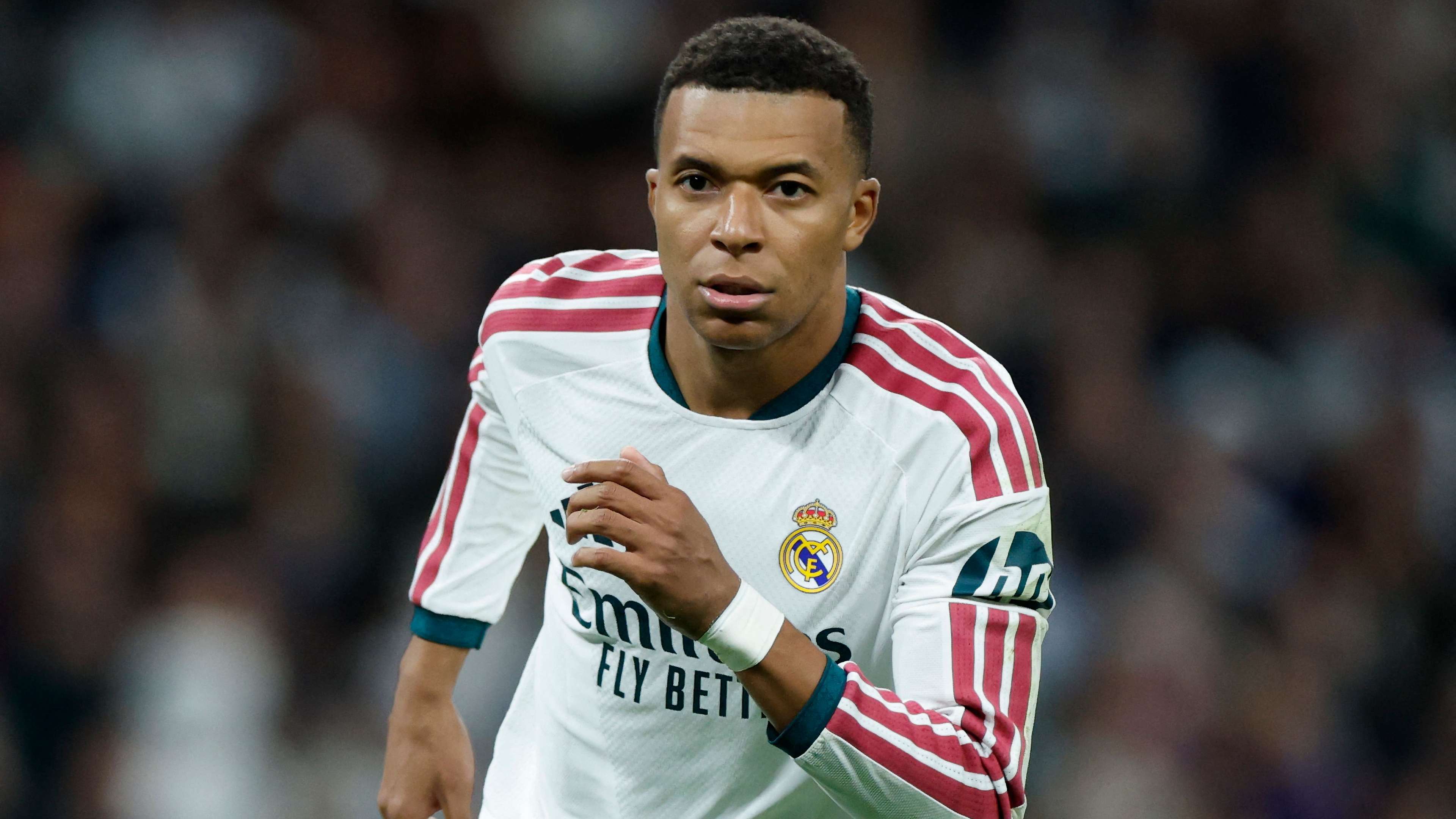
China’s state broadcaster CCTV has suspended its broadcasts of Spanish La Liga football, while Chinese companies and digital platforms have moved to distance themselves from Real Madrid striker Kylian Mbappé. The measures follow comments by the French star about a satirical online image that places his face over a portrait of former Chinese leader Mao Zedong.
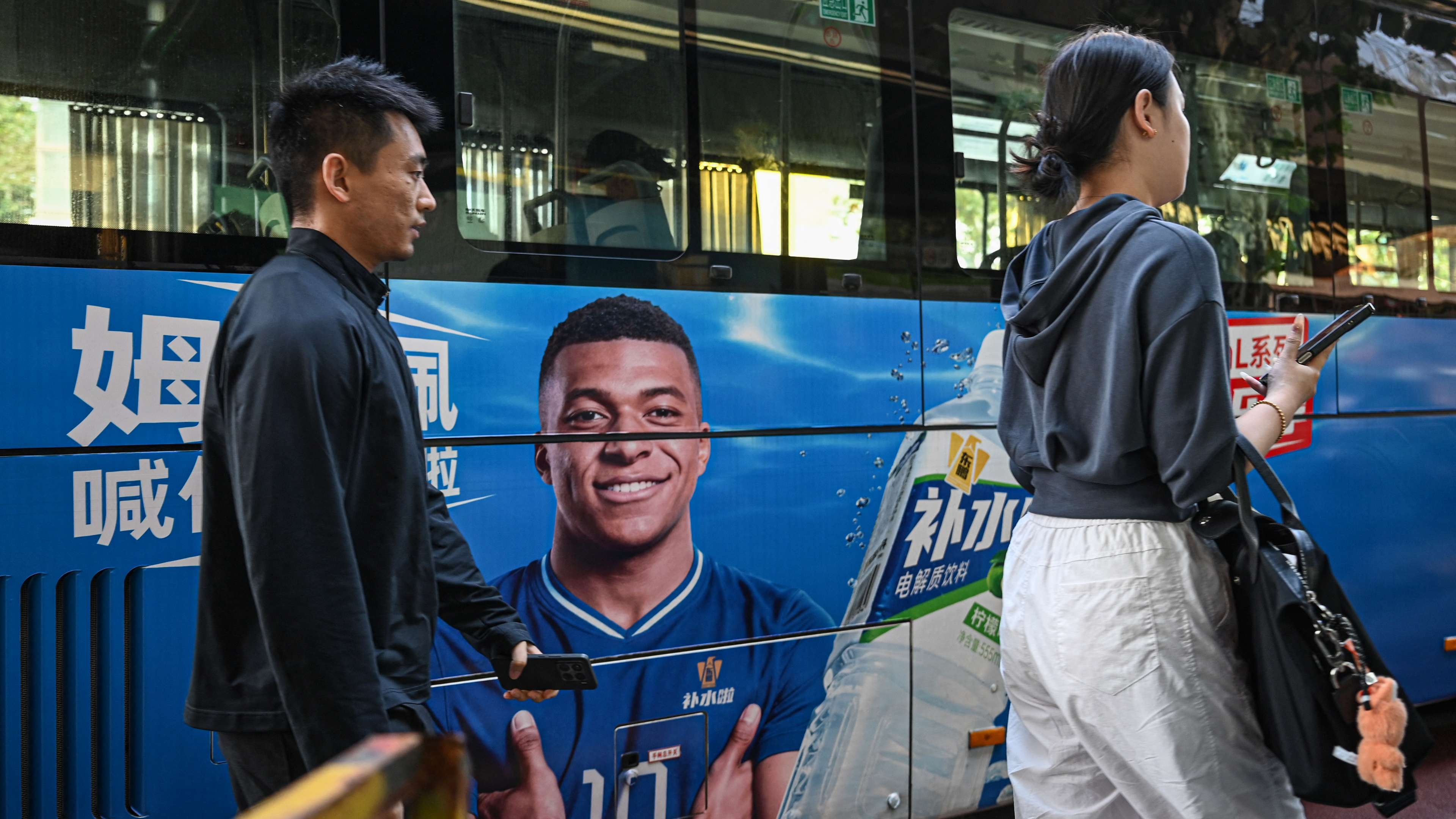
The decision, reported by Spain’s EFE news agency, is part of a broader backlash that has already included the removal of advertisements and video clips featuring Mbappé. The controversy highlights how quickly a brief comment about an internet meme can become a major commercial and diplomatic issue—particularly when it touches on a politically sensitive figure.
Broadcast and commercial consequences
CCTV’s suspension affects La Liga coverage as well as broadcasts of matches involving Mbappé, according to the reports. The move could reduce the visibility of one of football’s most prominent players among Chinese viewers, while also disrupting the league’s access to a large international audience.
Several Chinese companies have reportedly ended their commercial partnerships with the striker. Their decisions came amid criticism that Mbappé’s remarks showed disrespect toward the feelings of Chinese people. Chinese authorities have warned that words and actions considered offensive to the public will face rejection across society.
For a global athlete, sponsorships and broadcast exposure are closely connected. Brands seek association with players who attract attention and inspire trust, while broadcasters rely on star power to draw viewers. When a public controversy develops, both can face pressure to respond quickly, even before all audiences have interpreted the original remarks in the same way.
Mbappé removed from an online Ballon d’Or ranking
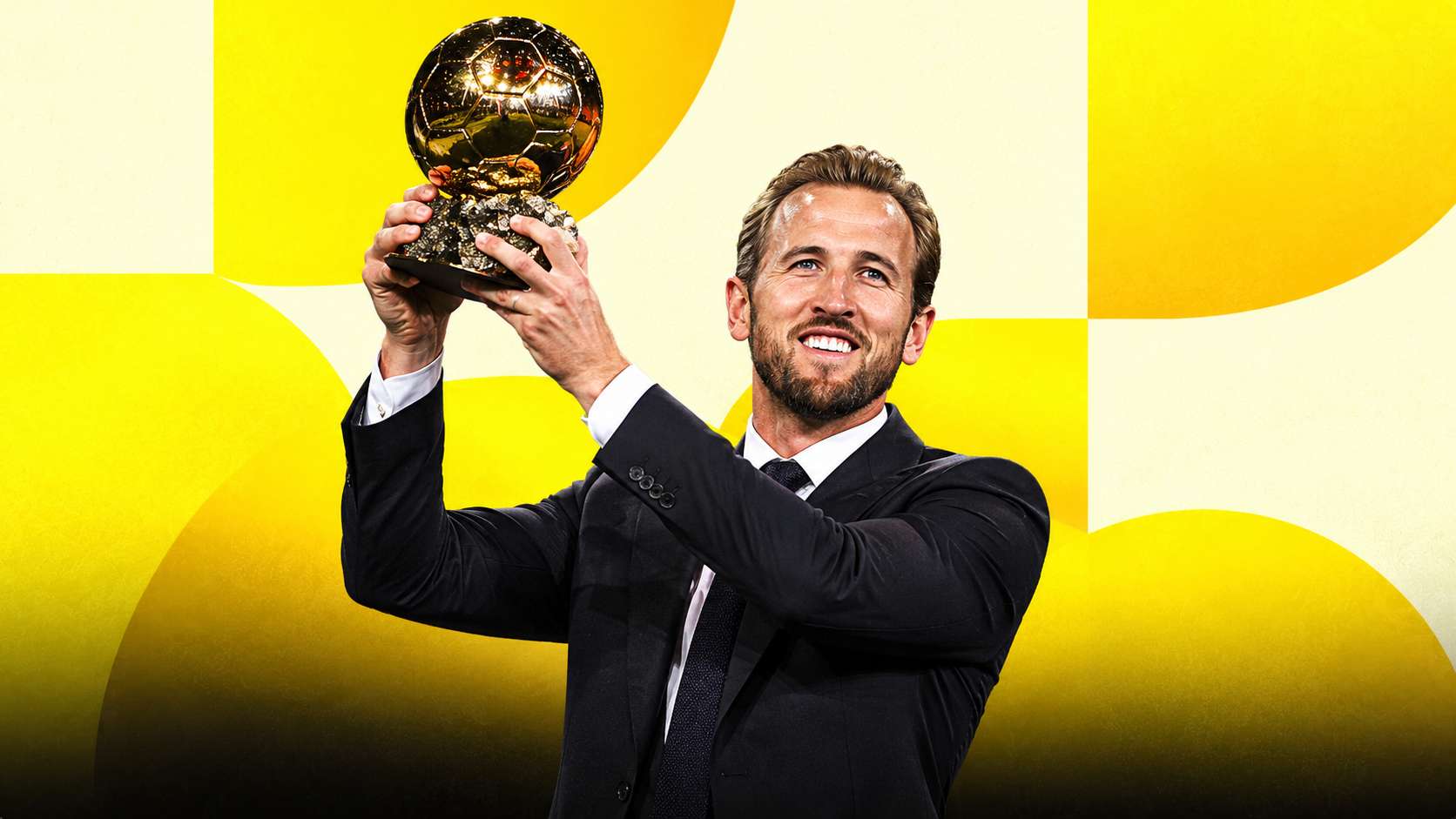
The fallout has also reached Chinese sports media. Dongqiudi, a popular sports website, reportedly removed Mbappé’s name from its 2026 Ballon d’Or rankings and replaced it with a phrase translated as “this person does not exist” or “this person was not found.”
The ranking had placed England striker Harry Kane first, Mbappé second and Spain’s Lamine Yamal third. The unusual edit turned a football prediction into a visible response to the controversy, demonstrating how sports platforms can use rankings and other editorial features to signal a position during a fast-moving public dispute.
Ballon d’Or forecasts are not official results, but they attract attention because they reflect current perceptions of players’ performances and standing. In this case, the ranking’s alteration shifted the conversation away from goals, form and trophies and toward the consequences of Mbappé’s comments.
What Mbappé said about the image
The controversy began when an interviewer asked Mbappé about a satirical image he found particularly amusing. He replied: “The image that made me laugh the most is the one where they use my face on the picture of a Chinese dictator. I use it a lot with my friends.” The image circulating online combines the striker’s face with a portrait of Mao Zedong, who led China from the founding of the People’s Republic in 1949 until his death in 1976.
Mbappé did not name Mao directly in the quoted remark. However, the image’s association with a former Chinese leader has made the joke especially sensitive in China, where public references to political history can carry meanings beyond the humour intended by people sharing a meme. The episode also illustrates how an image that appears to be a private joke among friends can take on a very different significance when discussed publicly and circulated across borders.
A global football story with local sensitivities
International football operates across languages, cultures and political environments. A comment that one audience interprets as casual or self-deprecating may be viewed elsewhere as disrespectful, particularly when it involves a figure with deep historical importance. Social media accelerates this process: short clips and translated quotations can travel widely, often without the context of the original interview.
For clubs, leagues and sponsors, the challenge is balancing the commercial value of a global star with the expectations of local markets. China is an important audience for international sport, and decisions about broadcast schedules, advertising and player promotion can have significant implications for both sides. The latest measures show how reputational concerns may quickly influence business relationships as well as media coverage.
At the time of the reports, the immediate impact was clear: CCTV had stopped showing the affected football content, companies were withdrawing from Mbappé-related campaigns, and a sports website had altered its Ballon d’Or prediction. The longer-term effects remain uncertain. They may depend on whether the player or his representatives offer further clarification, how Chinese audiences respond, and whether broadcasters and commercial partners reconsider their decisions.
What the controversy could mean for La Liga
La Liga’s appeal depends partly on its ability to connect overseas fans with its biggest clubs and players. A suspension of coverage can make it harder for supporters to follow the competition and may affect the promotional value of high-profile fixtures. For Real Madrid, Mbappé’s global profile is a major asset, but the incident underlines that sporting fame does not shield a player from the cultural and commercial consequences of public remarks.
For fans searching for the latest football news, the story is a reminder that the game’s biggest developments do not always happen on the pitch. Match results, player form and title predictions remain central to the sport, but media rights, sponsorship decisions and online reactions increasingly shape how football is experienced around the world. In this case, a single comment about a meme has become a test of how global football figures navigate humour, history and international audiences.