
Morocco’s Tactical Brilliance Earns Well-Deserved Draw Against Brazil
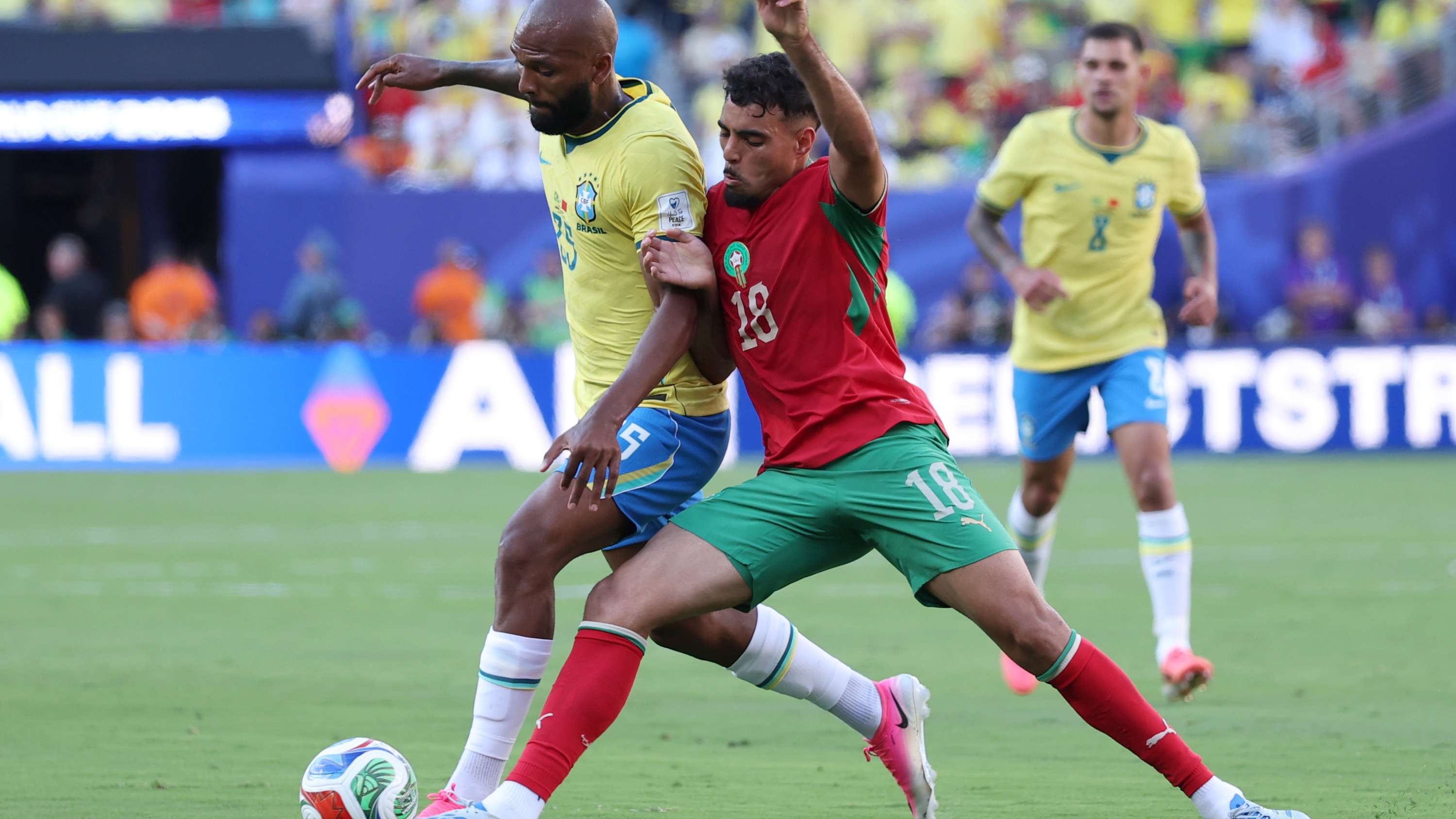
In a thrilling encounter between Brazil and Morocco, the African side showcased their tactical prowess and organizational skills to secure a 1-1 draw against the heavy favorites, Brazil. The match was a fascinating display of contrasting styles, with Brazil relying on individual quality while Morocco excelled in collective teamwork.
Team Lineups
Brazil lined up in a 4-2-3-1 formation with key players such as Allison, Casemiro, and Vinicius in the starting XI. On the other hand, Morocco opted for a similar formation with Bono, Hakimi, and Bouaddi playing crucial roles for the North African team.
Domination by Morocco
Morocco surprised Brazil with their dominant performance in the first 30 minutes of the game. The underdogs quickly took the lead with lightning-quick transitions and a compact defensive block. Youngster Bouaddi stood out with his exceptional display in midfield, dictating play for Morocco.
Morocco’s defensive strategy of maintaining a compact 4-4-2 shape frustrated Brazil, who struggled to break through their organized defense. Instead of pressing high, Morocco focused on blocking passing lanes and forcing Brazil to the flanks, ultimately leading to their opening goal.
Brazil’s Struggles
Brazil, on the other hand, faced challenges in both possession and defense. Their midfield lacked cohesion, resulting in difficulties in building up play effectively. Casemiro and Guimaraes failed to control the midfield, leading to turnovers and a lack of creativity in the final third.
Defensively, Brazil’s structure was exposed by Morocco’s fluid possession game, highlighting weaknesses in both tactics and personnel. Casemiro’s struggles were evident, prompting an early substitution by coach Ancelotti to address the midfield issues.
Vinicius Shines Amidst Struggles
Despite Brazil’s struggles, Vinicius showcased his individual brilliance in the final third. However, the team lacked a facilitator to connect midfield to attack effectively, leading to breakdowns in attacking patterns. Igor Thiago’s role as a target man limited Brazil’s attacking fluidity, highlighting the need for a more dynamic forward like Cunha.
Conclusion
The match between Brazil and Morocco highlighted the strengths and weaknesses of both teams. While Brazil showcased their individual quality, Morocco’s tactical discipline and organization earned them a well-deserved draw. The result was a testament to Morocco’s strategic game plan and ability to compete with top footballing nations.
As the tournament progresses, Brazil will need to address their issues in build-up play and defensive structure to avoid costly mistakes against elite opponents. Meanwhile, Morocco’s strong performance solidifies their reputation as one of the most tactically respected teams in international football.
This draw was not luck but a result of careful planning and execution by Morocco, proving that in football, tactics often prevail over individual talent.
The Brilliance of Morocco’s Managerial Tactics
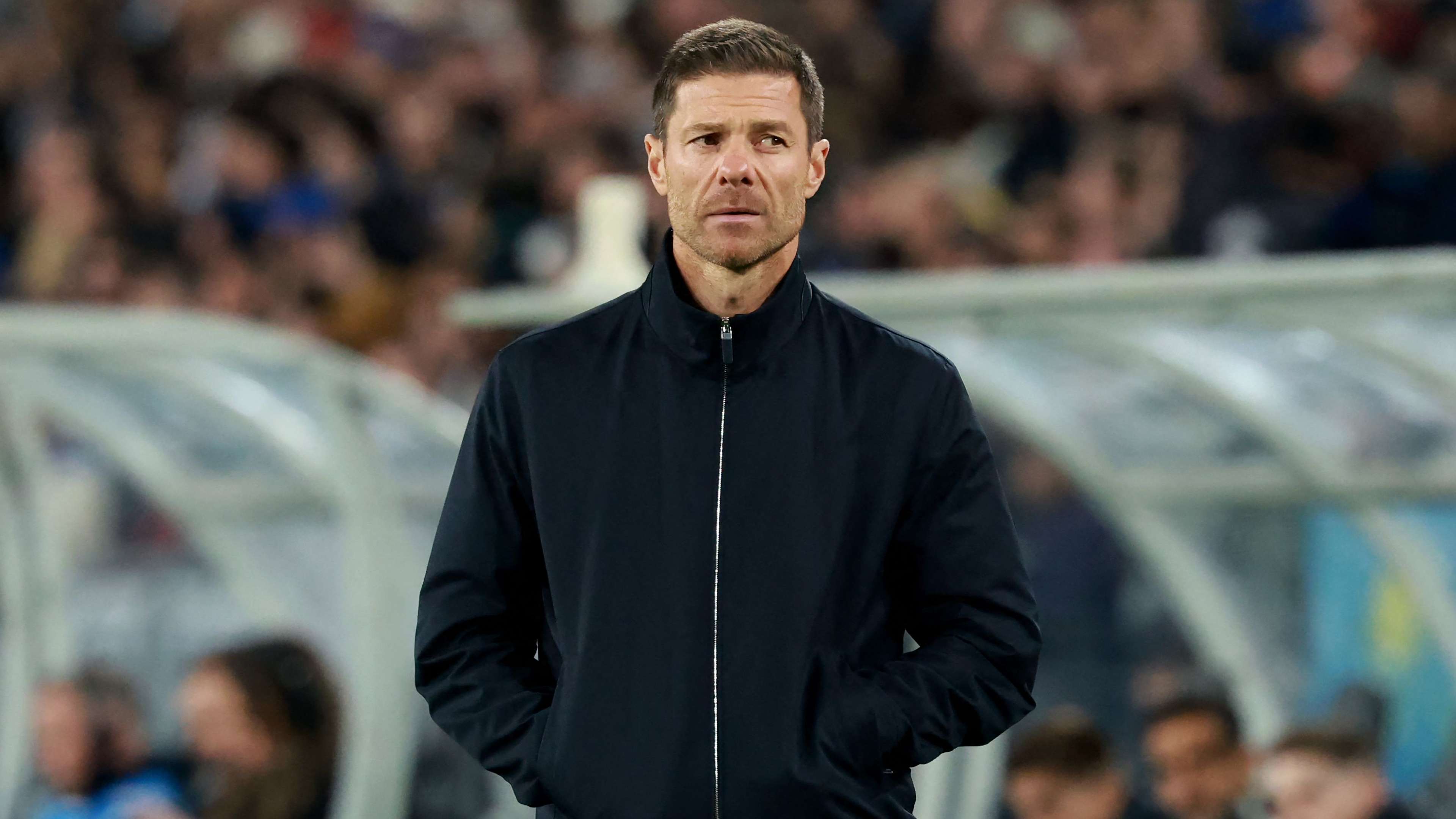
One of the key factors behind Morocco’s impressive performance against Brazil was the tactical acumen of their manager. The Moroccan coach implemented a strategic game plan that effectively neutralized Brazil’s strengths and exploited their weaknesses. By setting up his team in a compact 4-4-2 formation, Morocco’s manager ensured that his players were well-organized defensively, making it difficult for Brazil to break them down.
Furthermore, the decision to focus on blocking passing lanes and forcing Brazil wide was a stroke of tactical genius. By denying Brazil space in the central areas of the pitch, Morocco limited their opponent’s ability to create clear-cut chances. This forced Brazil to play a more predictable style of football, which played into Morocco’s hands.
Additionally, the manager’s choice to field Bouaddi in midfield proved to be a masterstroke. The young midfielder’s ability to dictate play and control the tempo of the game was instrumental in Morocco’s success. His composure on the ball and vision to pick out his teammates in dangerous positions allowed Morocco to launch quick counterattacks and create scoring opportunities.
Brazil’s Adjustments and Adaptations
Despite facing significant challenges against Morocco, Brazil showed their resilience by making tactical adjustments throughout the game. Coach Ancelotti’s decision to substitute Casemiro early on in the match was a clear acknowledgment of the midfield struggles Brazil were facing. The introduction of a more dynamic midfielder helped Brazil regain control of the game and create more opportunities in the attacking third.
Furthermore, Brazil’s decision to shift their attacking focus towards Vinicius proved to be effective. The young forward’s pace and skill on the ball caused problems for Morocco’s defense, and he was able to create scoring chances on his own. This adaptation showcased Brazil’s ability to recognize where they were lacking and make changes to address those deficiencies.
The Impact of Tactical Nuances on the Outcome
The match between Brazil and Morocco serves as a prime example of how tactical nuances can have a significant impact on the outcome of a game. While Brazil boasted individual talents like Vinicius, Morocco’s collective teamwork and strategic approach ultimately earned them a well-deserved draw. This result underscores the importance of not only having skilled players but also a well-thought-out game plan.
As the tournament progresses, both teams will need to continue refining their tactics and strategies to stay competitive against top opponents. Brazil will need to find a better balance between individual brilliance and team cohesion, while Morocco will look to build on their solid defensive foundation and continue to exploit their opponents’ weaknesses.
In conclusion, the match between Brazil and Morocco was a showcase of tactical brilliance and strategic planning. While Brazil’s individual quality was evident, it was Morocco’s disciplined approach that ultimately earned them a positive result. Moving forward, both teams will strive to further develop their tactical acumen to succeed in the competitive world of international football.