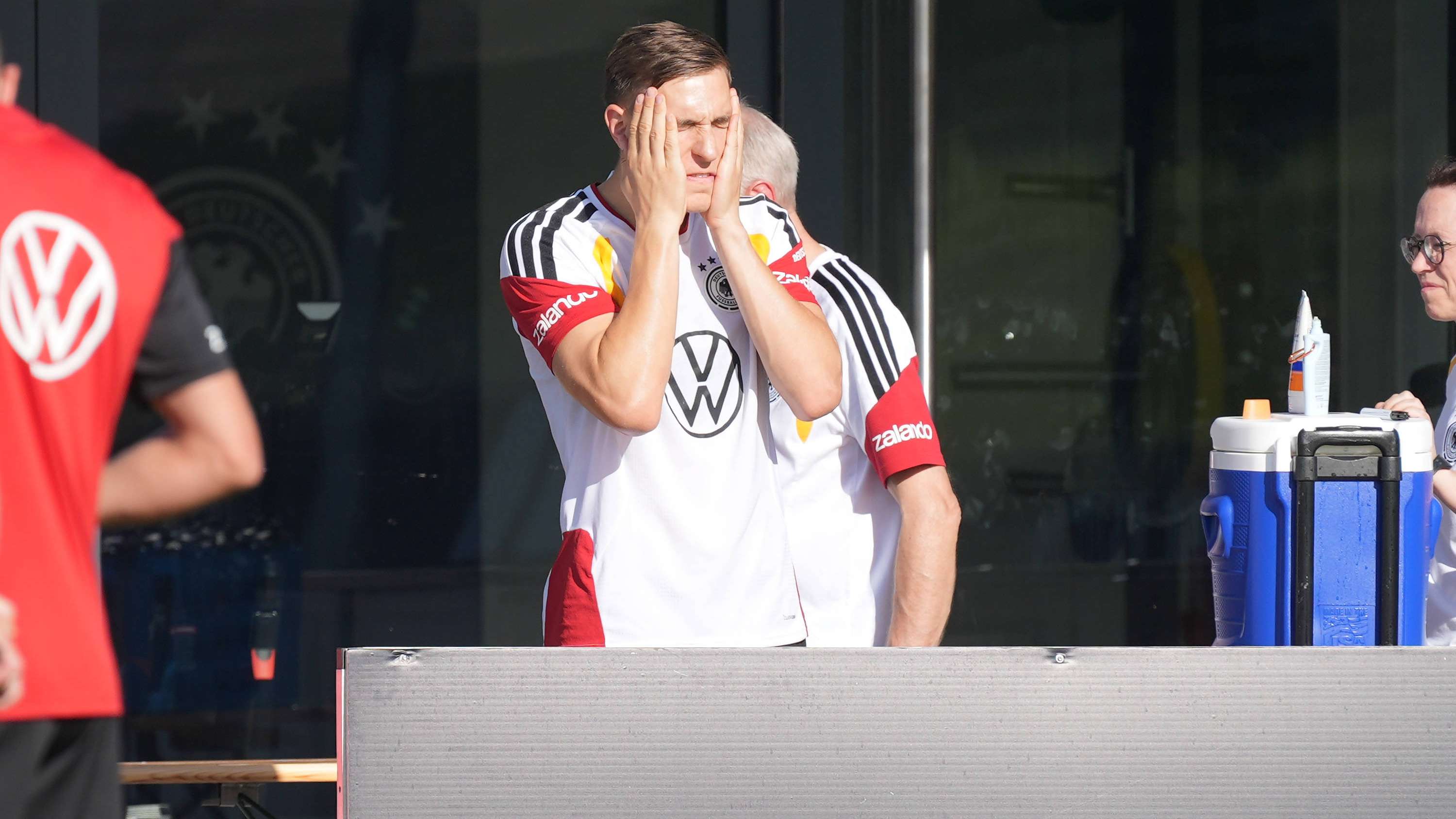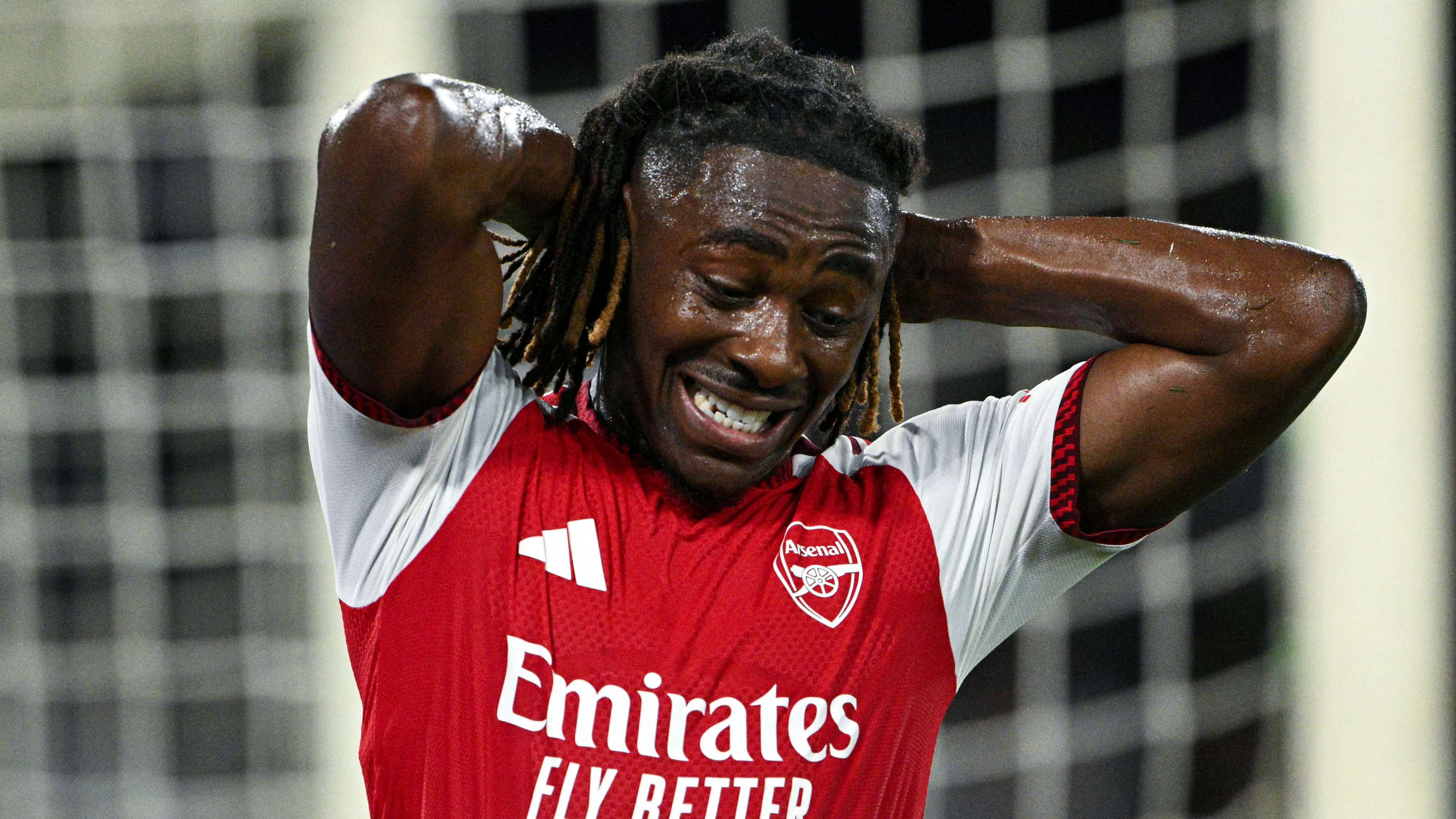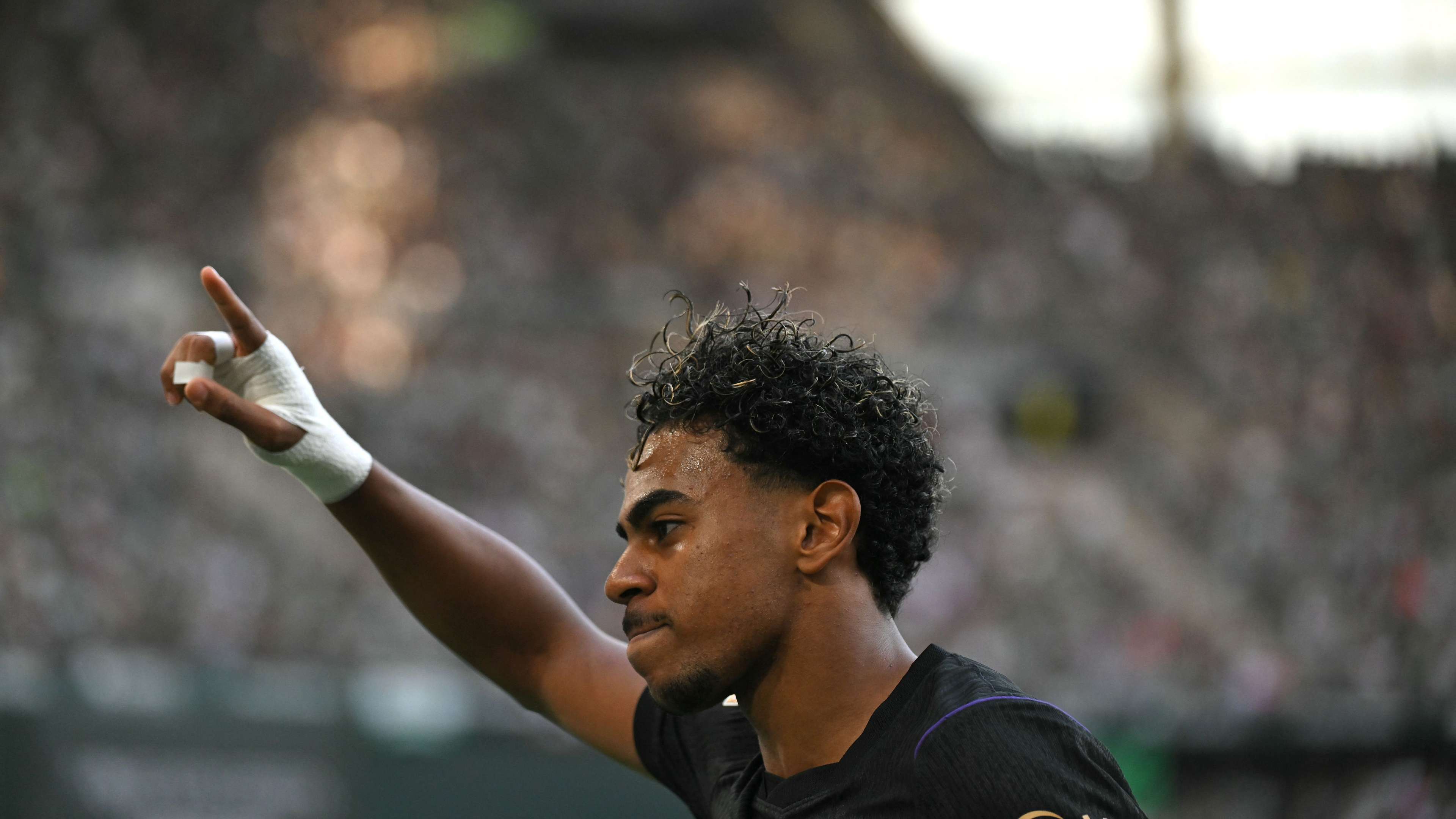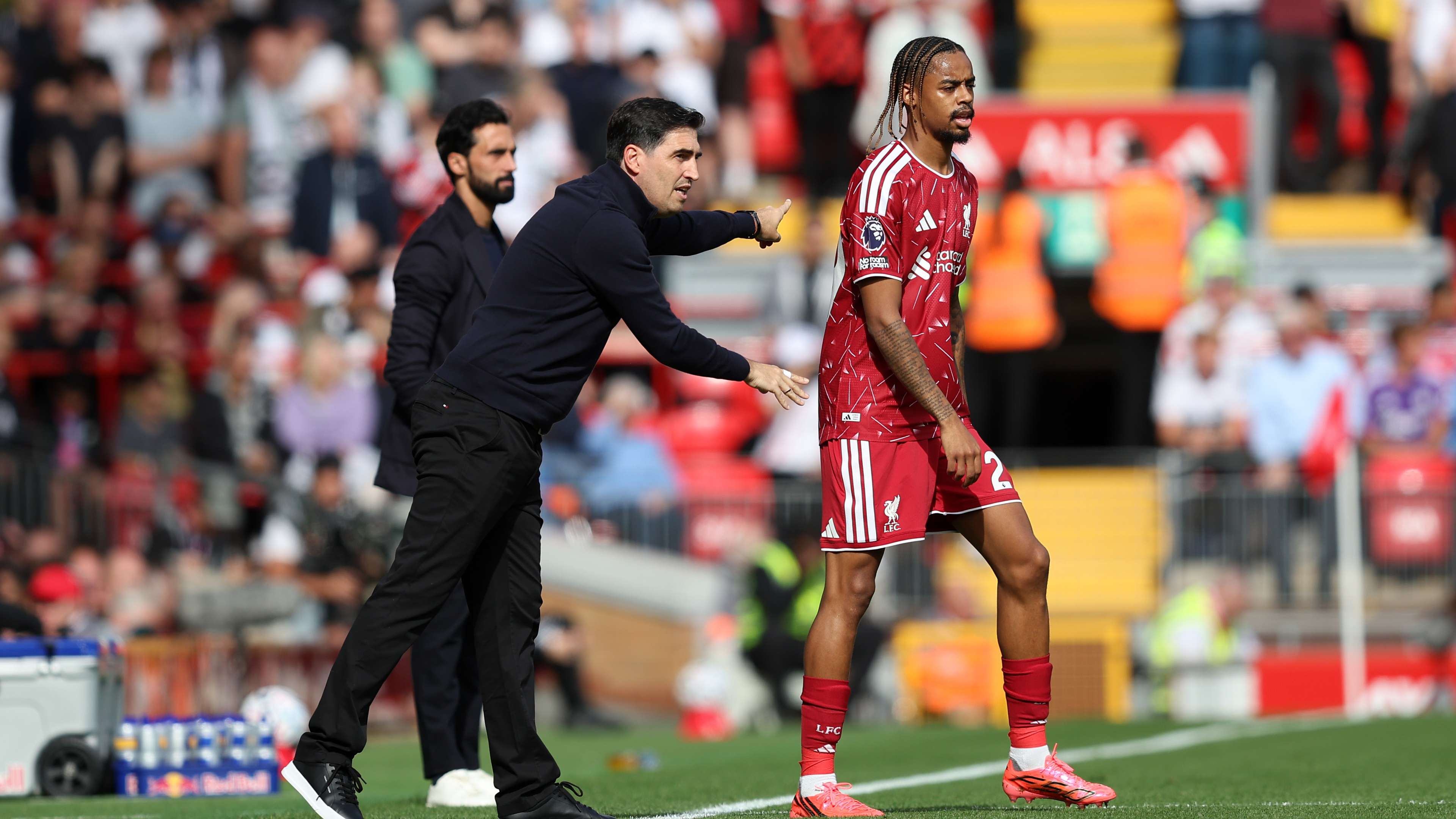

Bradley Barcola Praises Andoni Iraola’s Direct Football Philosophy
Liverpool attacker Bradley Barcola has praised manager Andoni Iraola’s direct, high-energy approach to football, describing it as a strong match for his natural strengths. The forward says Iraola was clear about what he expected when discussing a move: Barcola would be encouraged to attack at speed, but he would also have to contribute consistently when the team did not have possession.
That blend of freedom and responsibility appears to have been central to the manager’s pitch. Rather than focusing only on Barcola’s ability to beat defenders, Iraola outlined a role built around intensity across the full match. The attacker’s comments offer a glimpse into the thinking behind the recruitment decision—and into how Liverpool may look to make the most of his pace, movement and one-versus-one threat.
A Playing Style Designed to Suit Barcola
Barcola’s praise points to a football philosophy that prioritises quick transitions, forward movement and purposeful attacking. For a player who is most dangerous when carrying the ball into open space, a direct approach can create opportunities to run at defenders before they have time to organise. It can also put opponents under pressure by forcing them to defend while moving toward their own goal.
Iraola’s football is not simply about sending the ball forward as quickly as possible. Direct play works best when it is supported by coordinated movement, accurate passing and intelligent positioning. Wingers and forwards must recognise when to stretch the pitch, when to attack a gap and when to combine with teammates. Barcola’s profile could make him especially valuable in those situations, particularly when Liverpool win possession and can break at speed.
The attacker’s ability to accelerate past a marker may also give the team a different route through a compact defence. If opponents sit deep, Barcola can threaten the space behind the back line or take on a defender in a wide area. If they push forward, his pace can become even more dangerous on the counterattack. That range of options could help Liverpool vary their attacking patterns rather than relying on one method of creating chances.
Attacking Speed Comes With Defensive Duties
One of the most revealing details in Barcola’s account is that Iraola paired attacking freedom with a clear demand for defensive discipline. The manager did not present the role as an invitation to focus only on scoring or dribbling. Barcola was also expected to work without the ball, help the team regain possession and remain connected to the defensive structure.
That balance is increasingly important in modern football. Wide attackers are often asked to press opposing defenders, close passing lanes and track runners when possession changes hands. Their work can determine whether a team wins the ball high up the pitch or has to retreat into its own half. For Liverpool, Barcola’s willingness to meet those demands could be just as significant as his attacking quality.
Defensive commitment can also make a fast, aggressive system more sustainable. When several players press with purpose, the team can limit the opponent’s time and options. When the first press is beaten, disciplined recovery runs help protect the spaces left behind. Iraola’s expectations therefore suggest that Barcola’s role is intended to serve the whole team, not merely provide an outlet on the wing.
Why the Manager’s Message Matters
Recruitment is about more than identifying talent. A player must understand how the manager wants the team to play and how his individual strengths fit into the wider plan. Barcola’s comments indicate that Iraola made those expectations clear during the process of convincing him to join. The message was specific: attack with speed, but work hard and remain responsible when the ball is lost.
That clarity can help a new signing settle. Players are more likely to perform confidently when they understand where they will operate, what decisions are encouraged and which responsibilities are non-negotiable. For Barcola, knowing that his pace and directness are valued could allow him to play aggressively, while the defensive requirements provide a clear framework for his contribution.
There is also a broader strategic point. Liverpool’s recruitment appears to be shaped not only by individual ability but by how a player can function within a demanding system. A forward who can attack space, press opponents and recover quickly offers a manager greater flexibility. Barcola may be used to stretch defences, support quick breaks or help Liverpool sustain pressure in the attacking third, depending on the match situation.
What Barcola Could Add to Liverpool’s Attack
Barcola’s most obvious asset is his ability to turn possession into forward momentum. A successful dribble can force defenders to leave their positions, creating room for a teammate to make a run or receive the ball in a dangerous area. Even when he does not beat his marker, his willingness to attack directly can make the opposition adjust its defensive shape.
His movement may be just as important as his ball-carrying. A winger who makes well-timed runs behind the defence can create space for midfielders and overlapping full-backs. By moving inside, Barcola could open the touchline for a teammate; by staying wide, he could stretch the back line and create room through the middle. Those choices give Liverpool several ways to use his qualities.
However, successful adaptation will depend on more than speed. Barcola will need to build understanding with his teammates, choose the right moments to take risks and maintain the work rate Iraola has demanded. Direct football can be highly effective, but it also requires precision. A rushed pass or poorly timed run can surrender possession and leave the team exposed. The challenge is to combine instinctive attacking play with the discipline needed to keep the system balanced.
Early Prediction: A Role With Room to Grow
Any prediction about Barcola’s impact should remain measured until he has had time to adapt to Liverpool’s demands and build chemistry with the squad. Still, the fit described by the attacker is encouraging. Iraola’s emphasis on pace and forward intent aligns with Barcola’s strengths, while the defensive expectations could help him become a more complete contributor.
If he adjusts quickly, Barcola could give Liverpool a valuable option against teams that leave space behind their defence and against opponents that defend deep. His directness may bring unpredictability to the attack, while his pressing could help the team turn defensive effort into immediate chances. The key will be consistency: delivering dangerous attacking actions without neglecting the work required away from the ball.
For supporters following Liverpool football, Barcola’s comments provide a useful early indication of how the manager intends to deploy him. Iraola appears to see a player capable of making an impact at both ends of the pitch. If the attacker can meet that challenge, his pace and willingness to take on defenders could become an important part of Liverpool’s plans—and a compelling storyline to watch as the season develops.