
Bayern Munich Honorary President Uli Hoeneß Reveals Major Leadership Row
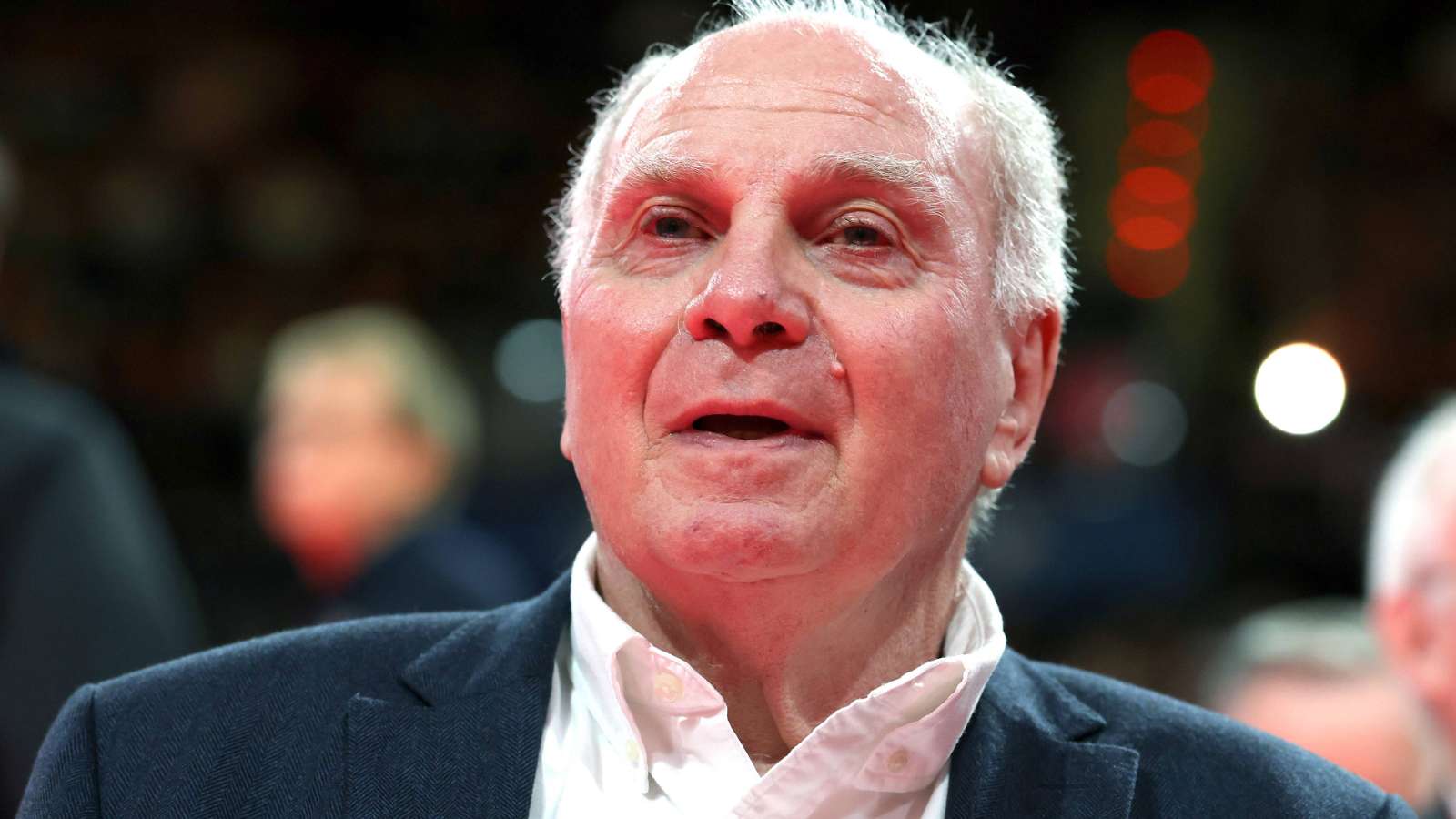
Uli Hoeneß, the honorary president of Bayern Munich, recently opened up about a significant leadership dispute that unfolded at the club last summer. During a podcast conversation with Bavarian Minister-President Markus Söder on *Auf eine weiß-blaue Tasse*, Hoeneß shed light on the intense debates that took place regarding transfer planning within the club.
A Culture of Debate
According to Hoeneß, there was a “real culture of debate” when it came to making decisions about potential signings. The discussions reportedly became heated as some members of the leadership team pushed for extravagant signings worth 100 or 150 million euros. This difference in opinion led to intense arguments among the decision-makers at Bayern Munich.
“There were some very heated arguments because one or two of us still wanted to splash out on signings for 100 or 150 million,” Hoeneß disclosed during the podcast. The clash of opinions and conflicting visions for the club’s future direction created tension within the leadership team.
Impact on Transfer Strategy
The leadership row had a direct impact on Bayern Munich’s transfer strategy for the summer. With differing views on how much to invest in new signings, the club faced challenges in reaching a consensus on the best approach to strengthen the squad. Hoeneß’s revelations give fans a glimpse into the behind-the-scenes dynamics that influence the club’s decision-making process.
Despite the disagreements among the leadership team, Bayern Munich ultimately navigated through the turbulent period and made strategic signings to bolster the team. The insights shared by Hoeneß highlight the complexities involved in managing a top football club and the various factors that come into play when planning for the future.
Looking Ahead
As Bayern Munich continues to strive for success both domestically and in European competitions, it is essential for the club to maintain a cohesive approach to decision-making. The leadership row serves as a reminder of the challenges faced by top football clubs in balancing financial constraints with the ambition to compete at the highest level.
With Hoeneß’s candid revelations, fans gain a deeper understanding of the internal workings of Bayern Munich and the intricate dynamics that shape the club’s strategies. As the new season approaches, all eyes will be on how the club’s leadership handles future transfer planning and navigates potential disagreements to steer Bayern Munich towards continued success on the pitch.
Keywords: football, prediction, Bayern Munich, Uli Hoeneß, leadership, transfer planning
Challenges of Modern Football Management
The leadership dispute revealed by Uli Hoeneß sheds light on the challenges faced by modern football clubs in managing their resources effectively. In an era where exorbitant transfer fees and wages have become the norm, clubs must strike a delicate balance between financial sustainability and on-field success. The differing opinions within Bayern Munich’s leadership team underscore the complexities involved in making decisions that impact the club’s long-term future.
As clubs across Europe compete for top talent in a fiercely competitive market, the pressure to make the right signings and investments has never been higher. The clash of visions at Bayern Munich highlights the high-stakes nature of transfer planning and the need for strategic decision-making to ensure the club remains competitive at both domestic and international levels.
The Role of Leadership in Football
Effective leadership is crucial in steering football clubs towards success, both on and off the pitch. The revelations made by Uli Hoeneß emphasize the importance of strong leadership in navigating internal disputes and guiding the club towards a unified vision. The ability to foster healthy debates while ultimately reaching consensus is key to overcoming challenges and driving the club forward.
Leadership in football goes beyond just making decisions about player transfers; it also involves setting a clear direction for the club, inspiring players and staff, and managing relationships with fans and stakeholders. The insights provided by Hoeneß offer a glimpse into the intricate web of relationships and responsibilities that leaders in football must navigate to ensure the club’s continued prosperity.
Lessons for the Future
As Bayern Munich looks ahead to the future, the lessons learned from the leadership row can serve as valuable guidance for the club’s decision-making processes. By fostering a culture of open debate, embracing diverse perspectives, and finding common ground, the club can better position itself for sustained success in the highly competitive world of football.
By understanding the challenges and complexities of modern football management, Bayern Munich can adapt its strategies to navigate potential disagreements and conflicts more effectively. The ability to learn from past experiences and leverage them to shape future decisions will be crucial in maintaining the club’s position as a powerhouse in European football.
Ultimately, the leadership dispute at Bayern Munich serves as a reminder that success in football is not just about what happens on the pitch, but also about the strategic decisions made behind the scenes. By heeding the insights shared by Uli Hoeneß and embracing a culture of collaboration and debate, Bayern Munich can continue to thrive in an ever-evolving football landscape.